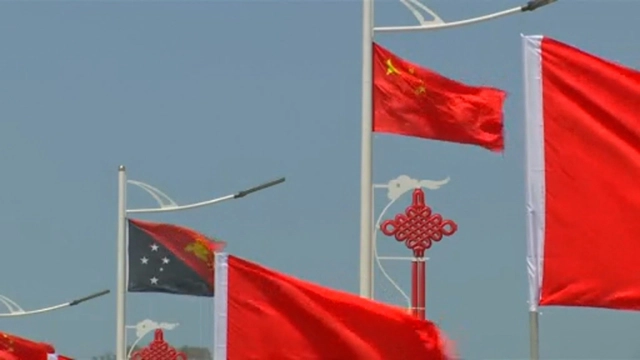
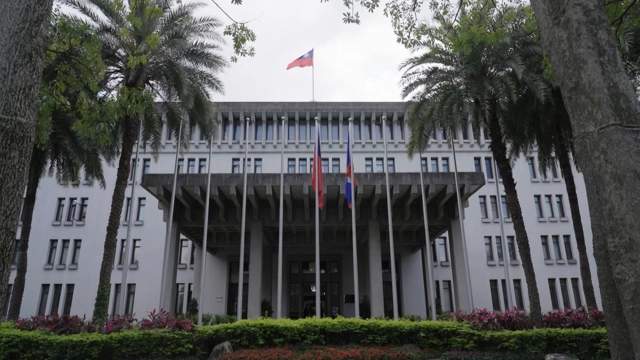
Taiwan's closure of its representative office in Papua New Guinea reflects a broader strategy by China to limit Taiwan's international engagement, according to Wang Hung-jen, a political science professor at National Cheng Kung University.
Speaking to TaiwanPlus, Wang said Beijing is increasingly pressuring countries, including those without formal diplomatic ties with Taiwan, to reduce exchanges with Taipei, downgrade relations or close representative offices. He argued that China aims to create the impression that more countries are accepting its "one China" stance.
Wang said Taiwan should develop an early warning system to identify countries that may be vulnerable to Chinese influence due to economic dependence or domestic political changes. He also said Taiwan should focus on demonstrating the economic and strategic benefits it can offer rather than relying on punitive measures when relations face challenges.
Despite growing pressure from Beijing, Wang argued that Taiwan's ability to resist has strengthened because of its advantages in semiconductors, technology, drones and economic competitiveness. He said China's leverage increasingly relies on political coercion as its economic influence declines.
 03:22
 00:31
 00:37
 02:21
 02:06
 00:44
 02:11
 00:34
 02:13
 00:24
 03:27
 01:51
 00:27
 00:41
 00:45
 00:32