What are your main takeaways about Foreign Minister Lin Chia-lung's trip to Europe?
Actually Minister Lin was in Europe last year, and this is his second tour of Europe in the last two years. I think it reflects the growing importance of the European Union and other European countries to Taiwan in many aspects.
You can see his first stop in Europe is Czech Republic, and the main event he participated is actually the opening ceremony of our National Palace Museum display in the capital city, Prague. And actually, in the last three years, we worked together to address many of the regulatory hurdles. So the event, the show itself reflects many months of collective efforts between Taiwan and the Czech Republic. So I think this show that is taking place in Prague, Czech Republic, is the best demonstration of what we call the value based diplomatic approach is not only about democracy, rule of law, but it's also about culture, people to people, connections.
During Mr. Lin's visit to Europe, the Dutch House of Representatives passed a resolution that they support Taiwan's inclusion in the UN. What do measures like this indicate about Taiwan's relationship with the EU?
The resolution passed by the Netherlands Parliament is just one of the latest example of European countries, especially these middle power countries including the Netherlands, Belgium, Czech Republic, in addition to the traditional powers of Germany and France. There are now more vocal to increase and reflect their support of Taiwan. So in the last three years, we started to see a series of resolutions that's been adopted across many European countries. It's a changed time. It's a new time. And I think that the war in Ukraine, China's participation in supporting Russia to continue the military conflict, and also the economic security challenges that most European countries are subject to, are all pushing Europe, European countries to start to reckoning or re-understanding about their traditional practices, and also to understand why voicing their support for Taiwan is important. So I'm very confident that the Netherlands Parliament resolution you just mentioned won't be the last resolution that reflects European countries support for Taiwan.
Also revealed during Minister Lin's trip to Europe is that earlier this year, the Japanese ambassador to Denmark was hosting an event and the Chinese ambassador to Denmark, who was present there, asked the organizers to remove the Taiwanese ambassador, who was also at the event. Is this type of treatment towards Taiwanese diplomats common?
So I call it very unprofessional, because this is not...well all both Chinese and Taiwanese representatives and ambassadors were invited guests to the Japanese event. So, you can see it's the outcome of his or her protest is not working. And actually, I can already imagine in Copenhagen her actions or his actions are upsetting a lot of people.
Now, in my services as Taiwanese ambassador to the European Union in Belgium, all these things happened on a daily basis. Of course, of course, I have to say in Brussels, things are more I mean, the Chinese actions are a little bit more civilized than their actions in Denmark, but it's happening every day. I mean, it is the principal assignment of all Chinese embassies and missions overseas to try to deny Taiwan's access to friends and partners, and different representative ambassadors from China have their different styles. Many of--most of them didn't work increasingly here in Europe, but still it reflects the challenges and difficulties of Taiwan's diplomatic missions and diplomatic professionals overseas. When we are pursuing the Taiwan's interests, China has always been there trying to block access, to disrupt and to make our work difficult.
 08:10
08:10 03:50
03:50 03:34
03:34 00:33
00:33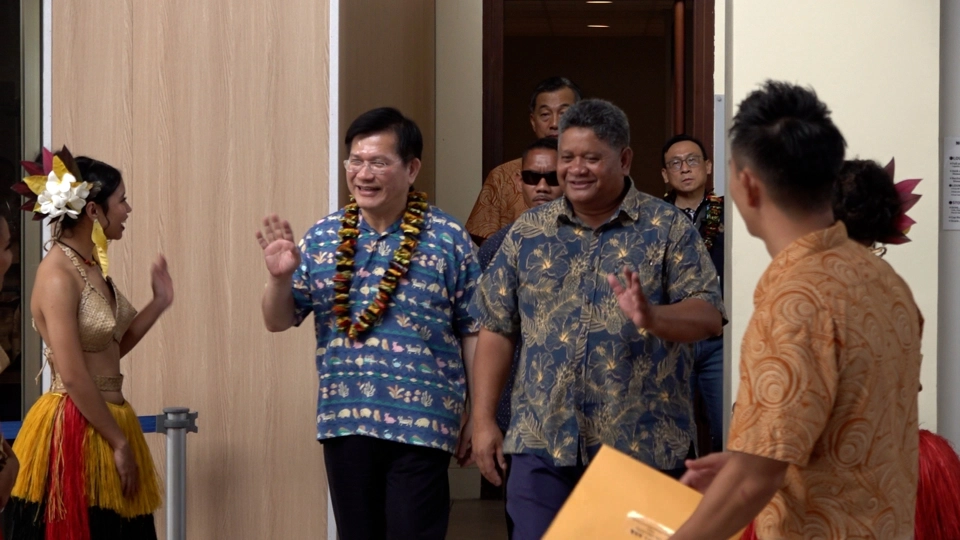 00:35
00:35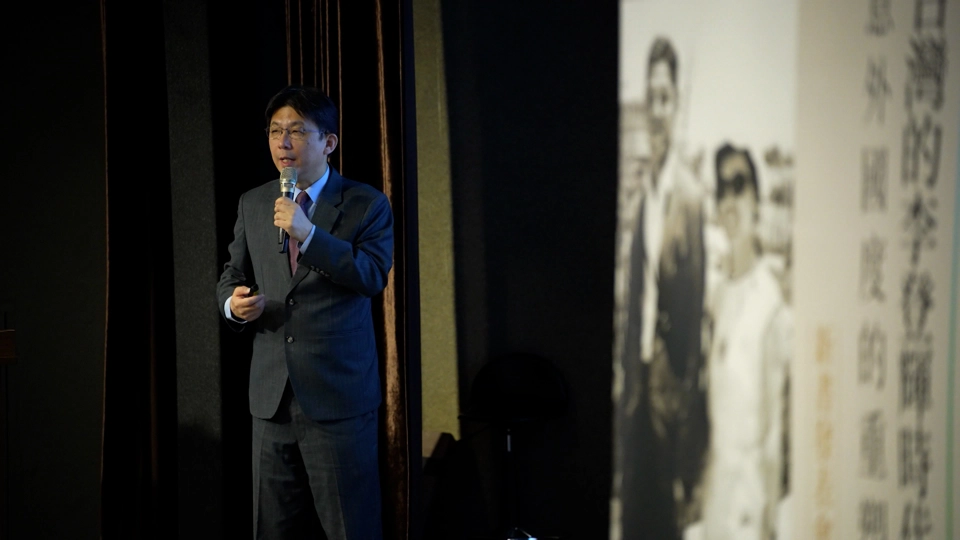 03:04
03:04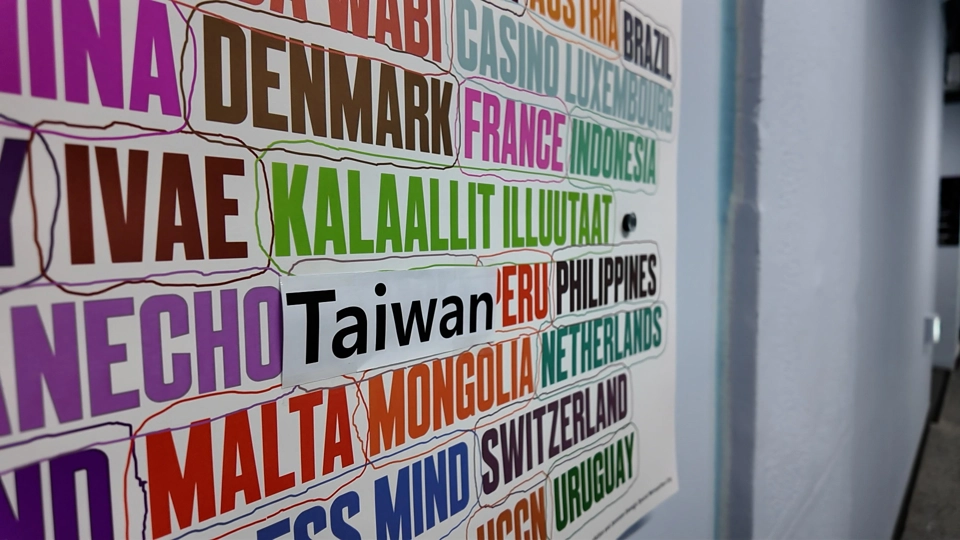 02:03
02:03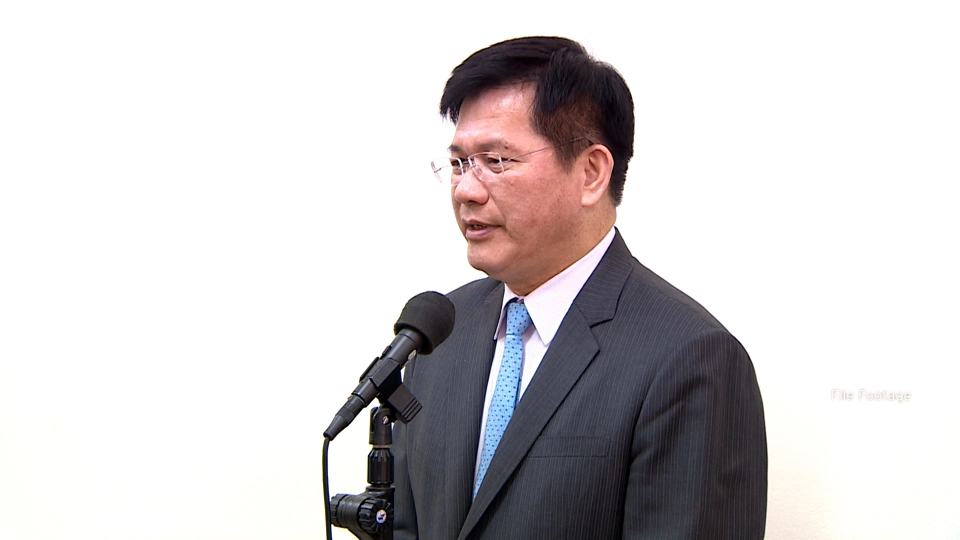 00:41
00:41 01:12
01:12 02:16
02:16 01:04
01:04 00:34
00:34 01:04
01:04 00:32
00:32 00:41
00:41 02:21
02:21