Title: The Strategic Importance of Advanced Chip Technologies
REPORTER:
How critical is TSMC’s 2nm technology, and how could a possible trade secrets leak impact it?
Interviewee:
The first point is that future chips need to balance power consumption and performance. This means that during manufacturing, more components have to be packed onto each wafer, making 2nm and 1nm technologies crucial. From a market perspective, demand for communication chips and high-performance computing chips continues to grow. Whether for personal devices or large-scale data centers, the need for computing power is constant. So we can see that market demand for advanced computing is robust. In this supply-constrained environment, TSMC’s 2nm technology becomes particularly important. All countries want to keep these critical, cutting-edge technologies in their own hands. Having them gives a nation leverage and bargaining power when negotiating or exchanging resources with others. A leak like this could weaken Taiwan’s position and undermine that strategic advantage.
REPORTER: How might holding a foreign company like Tokyo Electron liable affect the global semiconductor supply chain?
This will have a chilling effect on the entire semiconductor supply chain. Companies now need to start monitoring whether current employees or those who have moved from other firms are improperly exchanging information when interacting with employees from other companies.
This signal indicates that companies will need to be much more careful with information exchanges—whether with suppliers or between clients—taking into account the protection and control of trade secrets or specific technologies. This is to avoid potential legal action or claims for damages.
 02:33
02:33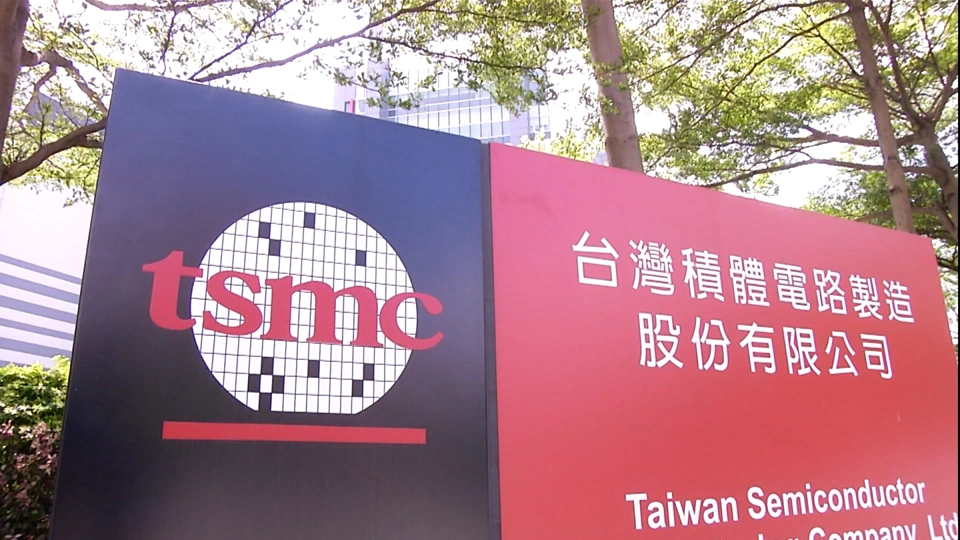 00:32
00:32 00:40
00:40 02:03
02:03 02:16
02:16 02:16
02:16 01:12
01:12 00:35
00:35 04:46
04:46 01:56
01:56 02:21
02:21 00:42
00:42 02:09
02:09 00:30
00:30 00:37
00:37 00:40
00:40