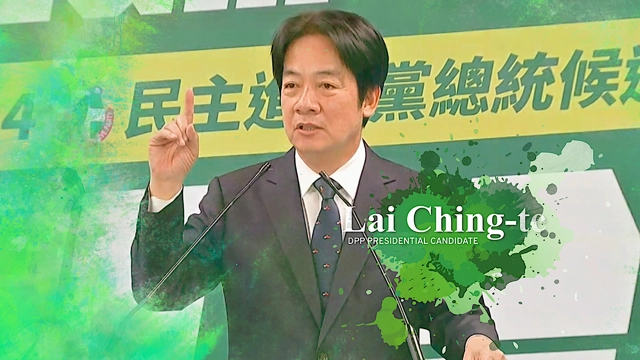
Lai Ching-te, Explained | 2024 Taiwan Presidential Election
The ruling Democratic Progressive Party is vying for an unprecedented third term in Taiwan's top office through its candidate, incumbent vice president Lai Ching-te. How would the

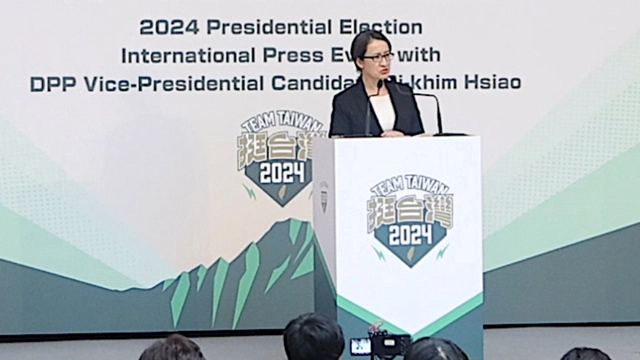
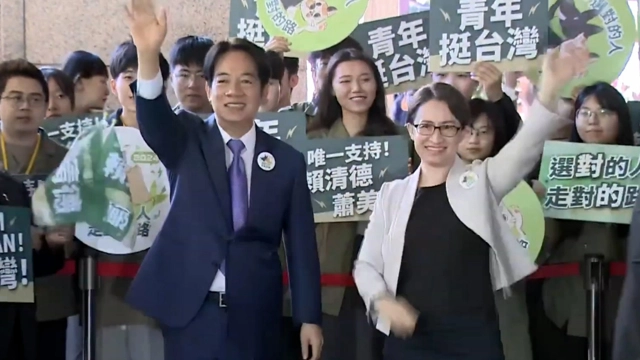
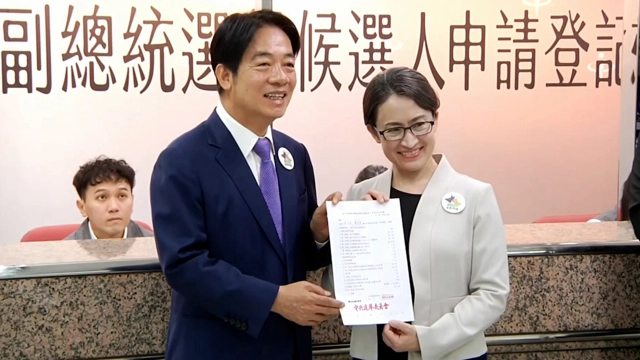
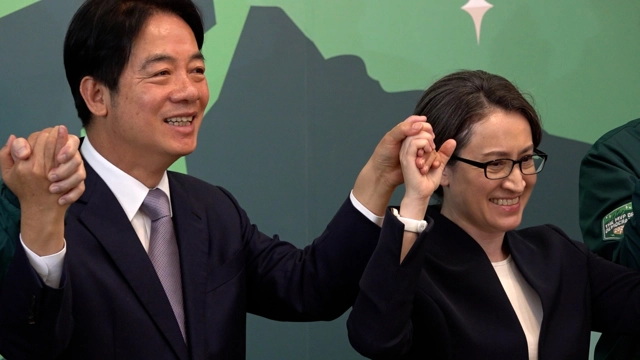
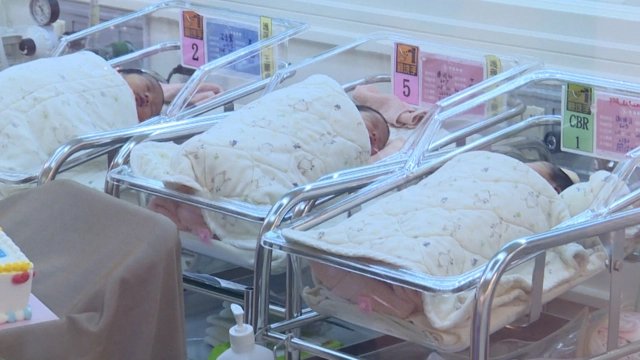
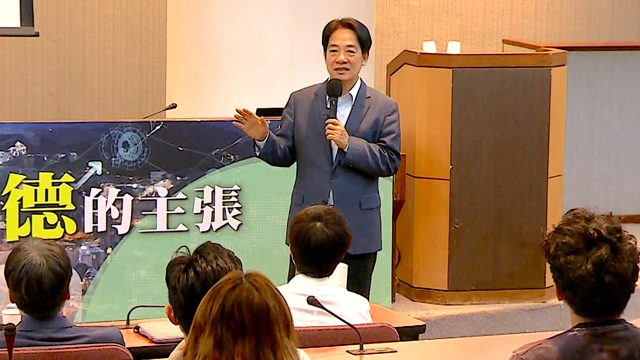
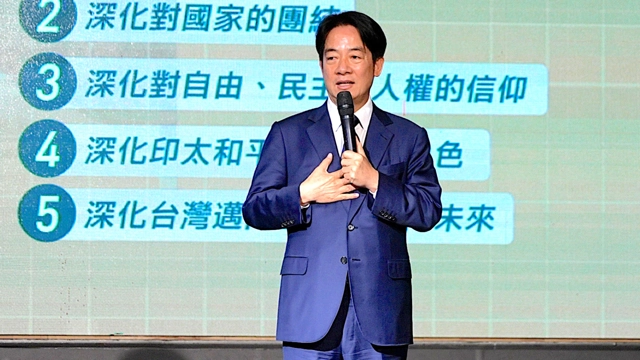
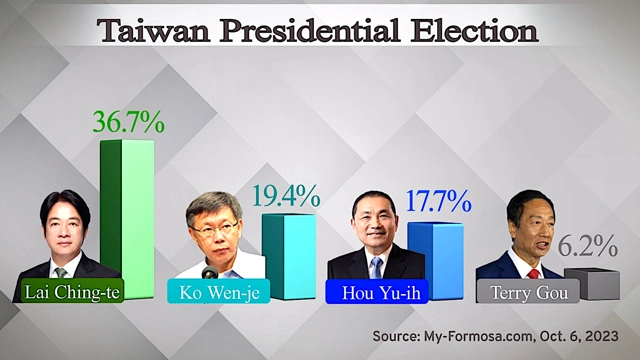
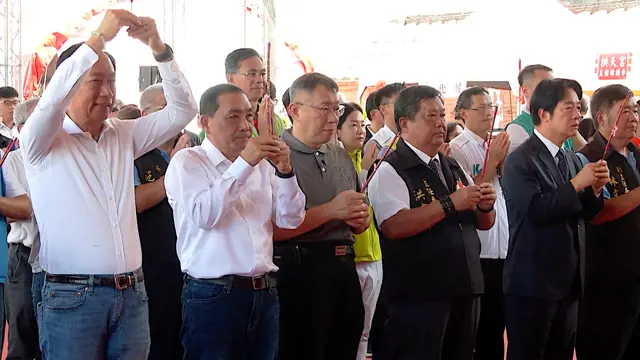
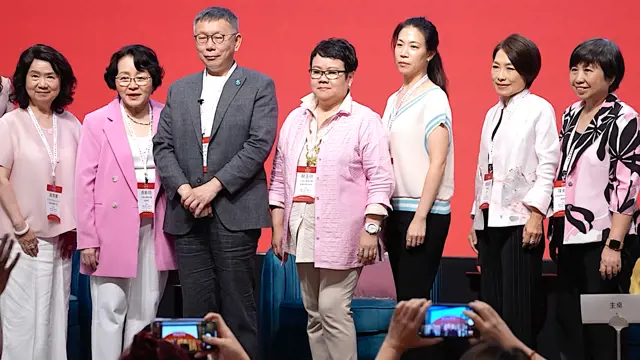
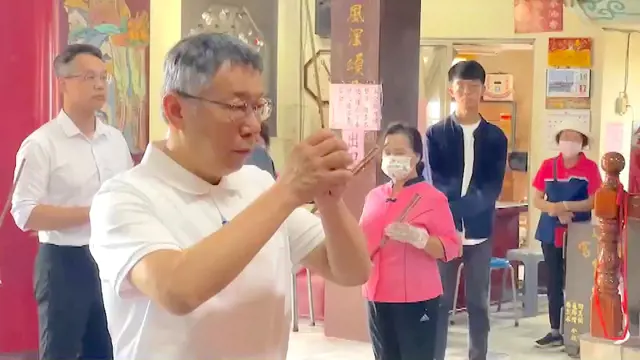
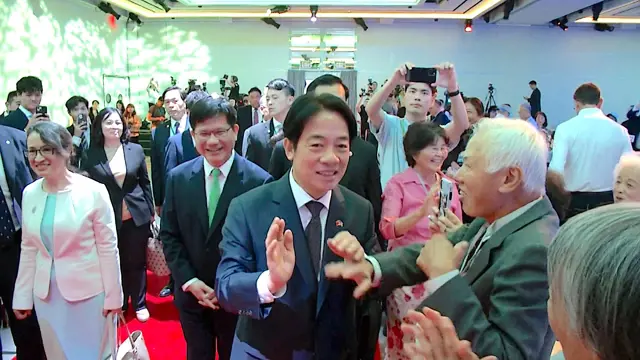
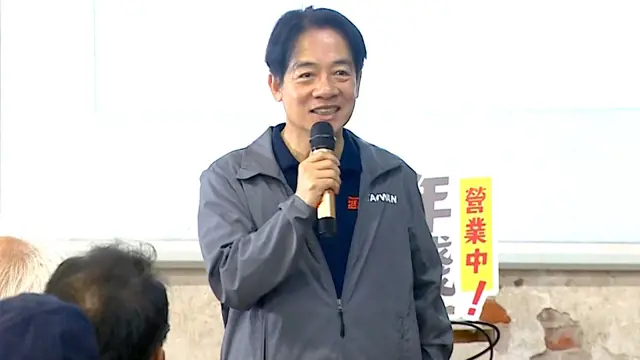
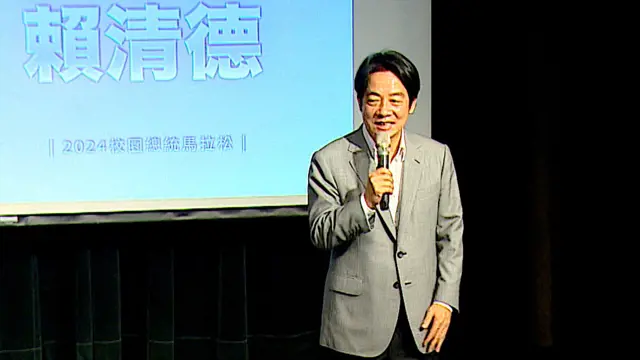
Lai Ching-te has outlined a set of policies targeted at infants, children and young people from birth till age 22.[1] For children aged 6 and under, Lai plans to update the government’s existing child care policy.[2] He aims to raise the percentage of children aged 0-3 in daycare to the OECD average of 36% and gradually increase the number of publicly funded daycare centers.[3] Lai says he would also increase grants for families sending their firstborn children under the age of 2 to public childcare centers and quasi-public care centers.[4] For working parents, Lai says he increase subsidies and push for longer daycare hours, as well as promoting winter and summer vacation services at public kindergartens.[5] Under Lai’s plan, daycare and kindergarten teachers would receive salary raises and a guarantee of yearly raises based on seniority.[6] He would also lower student-teacher ratios.[7] Lastly, Lai says he will promote flexible child care leave for parents and encourage companies to open kindergartens on their premises.[8]
References:
[1] 在上週,我第一次以總統候選人的身份,公布國家希望工程的願景總綱。今天,我正式向國人提出「0-22歲投資未來世代」的主題政策方案。
[2] 對於「0-6 歲」學齡前的幼童與家庭,我們提出「0-6 歲國家一起養 2.0」
[3] 對策一:讓0-3歲家外送托率達到OECD國家水準(36%),逐步增加公共化比例,並優化準公共的品質管理。
[5] 對策三:為配合家長上班時間及托育需求,由政府補助支持人力,推動公共幼兒園寒暑假服務,延長平日托育時間,增加定點臨托服務場所。
[6] 對策四:目前0-2歲公共化托育人員起薪剛調漲為3萬5,485元,準公共托嬰中心/幼兒園托育教保人員起薪為3萬元,未來將保障托育及教保人員薪資待遇,依年資提高薪資基準。
Lai Ching-te has vowed to uphold the cross-strait policy of Taiwan’s outgoing president, Tsai Ing-wen.[1] That includes her “four commitments”: that Taiwan must maintain a free and democratic system; that Taiwan and China are not subordinate to each other; that there should be no annexation or encroachment on Taiwan’s sovereignty; and that the future of Taiwan must be decided by the Taiwanese people.[2]
In 2017, Lai described himself as a “political worker who advocates Taiwanese independence,” later changing his phrasing to “pragmatic supporter of Taiwanese independence.”[3] Like President Tsai, he says Taiwan has no need to declare independence, because it is already an independent country called the Republic of China (Taiwan).[4]
Lai has also outlined a four-pillar plan for peace based on strengthening Taiwan’s military and civil defense to deter an attack; diversifying trade to reduce Taiwan’s dependence on China; building partnerships with other democracies; and a commitment to “steady and principled cross-strait leadership.” [5] He says his government would be willing to hold talks with China based on the principles of mutual respect and recognition of sovereignty.[6]
References:
[1] 民進黨主席暨總統參選人賴清德今天(9日)出席中國事務部主辦「中國事務小組」諮詢委員會議致詞表示,自己的兩岸政策和蔡英文總統的兩岸路線一致,「四個堅持」講得非常清楚。
[2] 蔡總統提出「堅持自由民主的憲政體制、堅持中華民國與中華人民共和國互不隸屬、堅持主權不容侵犯併吞、堅持中華民國臺灣的前途,必須由兩千三百萬人民共同決定」的「四個堅持」,都講得很清楚。
Lai Ching-te says he plans to build up Taiwan’s deterrence against attack by accelerating the military’s transition into an “asymmetric fighting force,” using cheap and mobile weaponry to resist aggression by a much larger foe.[1] Lai also wants to work more closely with Taiwan’s international partners, particularly Japan and the United States.[2] With Japan, Lai has called for a regular military dialogue to be set up.[3] He also says Taiwan would benefit from taking part in joint exercises with the United States and Taiwan’s neighboring countries.[4]
References:
[4] 對此,行政院長賴清德昨(2)日表示,台灣若能加入美國與其周邊國家的聯合軍演,對台灣的整體防衛,或是對周邊國家的聯合防衛,都是很好的事情。
Lai Ching-te's energy plan is a continuation of the current Democratic Progressive Party administration’s policy. Like President Tsai, Lai wants to phase out nuclear energy by 2025, although he says the government is looking into keeping a nuclear reactor ready to be restarted in case of emergency.[1] Lai says if the issues of waste and safety were to be solved in the future, he would not oppose the use of nuclear energy.[2] To reach net-zero carbon emissions by 2050, Lai and the current government aim to cut coal power to 30% of the energy mix by 2025, while raising natural gas to 50% and renewable energy to 20%.[3] The government now says it will hit its renewable target a year late, in 2026.[4] Under the government’s current plan, by 2050, 60% to 70% of Taiwan’s energy will come from renewable sources, another 9% to 12% will come from hydrogen gas, 1% from pumped storage and 20% to 27% from fossil fuels using as-yet under-developed carbon capture technology.[5]
References:
民進黨主席賴清德昨天出席校園總統馬拉松論壇時提到,相關單位正規劃讓停機的核電機組維持緊急使用效能,以備不時之需,引起關注。
[5] 根據路徑圖,2050年再生能源將占60%至70%、氫氣9%至12%,火力加上碳捕捉、利用與封存技術(CCUS)約占20%至27%,抽蓄水力1%。
Lai Ching-te says Taiwan’s life expectancy has risen to 81, but the average person spends 10% of their life in ill health.[1] To address that, Lai has outlined a nine-point plan. That includes passing a “health charter” to ensure all future government policies have a positive effect on public health; continuing to raise the standard of health care through training and international collaboration; improving working conditions and raising pay for medical personnel, especially nurses; ensuring the health insurance system is sustainably funded; raising the standard of care for children to cut the infant mortality rate; expanding mental health care access for young people and local communities; boosting prevention and testing of cancer with a new NT$10 billion (US$310 million) fund for new cancer treatments to cut Taiwan’s cancer mortality rate by a third by 2030; improving health care for Indigenous communities; and promoting collaboration between the biomedical and ICT industries to make Taiwan a world leader in biomedicine.[2]
For social care, Lai plans to update the government’s Long-term Care Plan 2.0 into 3.0 by hiring more care workers offering live-in or home-visit services, opening more care homes, and raising subsidies for care home residents from NT$120,000 (US$3,700) to NT$180,000 a year (US$5,600).[3] He also plans to ease the burden on family members who care for their relatives by encouraging flexible work routines, ensure more older people can access community care, and create a holistic system of social care with an emphasis on home visits by medical professionals.[4]
References:
[1] 台灣的國民平均餘命陸續延長到 81 歲,但平均餘命裡面,卻有長達 10% 的歲月是不健康的。因此,我希望結合社會的力量,讓國人健康、讓國家健康、讓世界擁抱台灣。
[3] 一、「強化重度失能者,優化住宿式服務機構」:
我們要在質跟量,強化住宅的服務,新增居家或社區的晚間到宅照顧,同時增加住宿式服務機構的量能,並擴大「住宿式服務機構使用者補助方案」。
Speaking of his long-term care policy, Lai said he would gradually raise the cap of subsidies for people who suffer disabling chronic diseases or dementia and need around-the-clock services at the long-term care facility from the current NT$120,000 to NT$180,000 each year.
Lai Ching-te has announced three policies targeting social housing, property management and rental subsidies. He’s also proposed increasing the tax rate for non-owner-occupied housing and providing additional home loan interest subsidies to ease the financial burden for young and first-time homebuyers.
Lai Ching-te says he would push for more investment protection agreements with like-minded countries. He wants to establish industrial parks in the Indo-Pacific, and set up overseas entrepreneurship centers in places like Japan, the U.S. and the U.K. Lai aims to make Taiwan a ‘smart island’, which includes strengthening the country’s semiconductor strategy, promoting the AI industry, creating 20,000 startup jobs in 5 years and getting NT$150 billion (US$4.8 billion) in annual startup investments.