Iran-US Fighting Lulls, But Houthi Attacks Raise Concerns of Wider Regional War
The US and Iran have halted strikes and counterstrikes, bringing a sigh of relief to oil markets. But Iran-aligned Houthis in Yemen could complicate things by blocking off the Red Sea, a critical backup for the Strait of Hormuz when it comes to oil shipments. Concern also grows around a deadly Ukrainian attack in the Caspian Sea killing one Iranian sailor as two of the world's most hard-fought wars converge.
Oil Routes Face New Threats as Tensions Shift in the Middle East
REPORTER:
Ships anchor in the Strait of Hormuz as fighting between Iran and the US hits a lull. Though normal oil and gas shipments through this critical waterway are still a long way off, hope that the US and Iran could find some way of deescalating sent oil prices down 5% early Monday. The US ambassador to the UN says that while the Trump administration is ready for more conflict, a pause in attacks could help peace efforts.
Mike Waltz (US AMBASSADOR TO UN):
As the President said, we are locked and loaded, even more assets are going into theater, but he's giving talks some space. He's giving it a little bit of room.
REPORTER:
Iran, too, has paused its strikes.
Brig. Gen. Mohammad Akraminia (IRAN ARMY SPOKESPERSON):
These attacks continued until two nights ago. However, over the past two nights, the Americans stopped their attacks. Since, as I said, our strategy was fundamentally retaliatory, we also halted our retaliatory operations.
REPORTER:
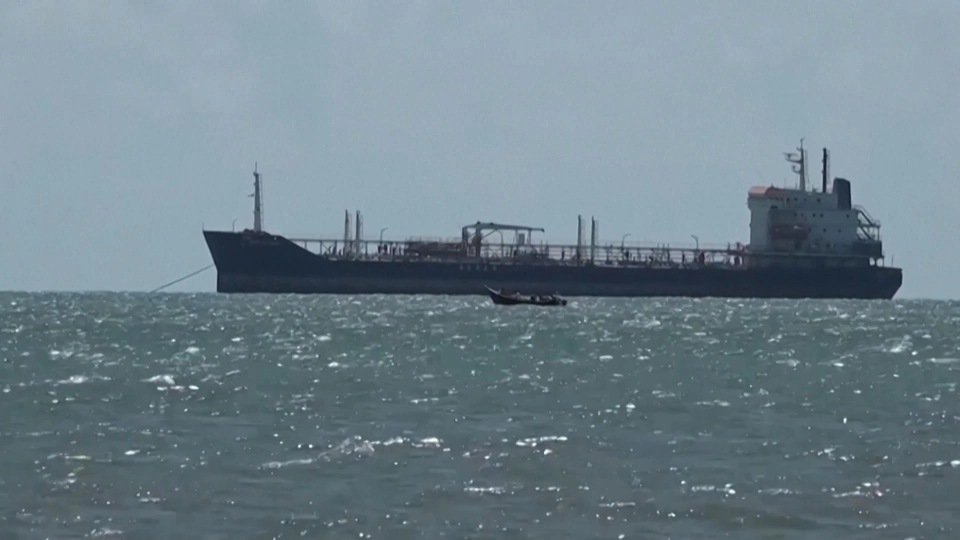
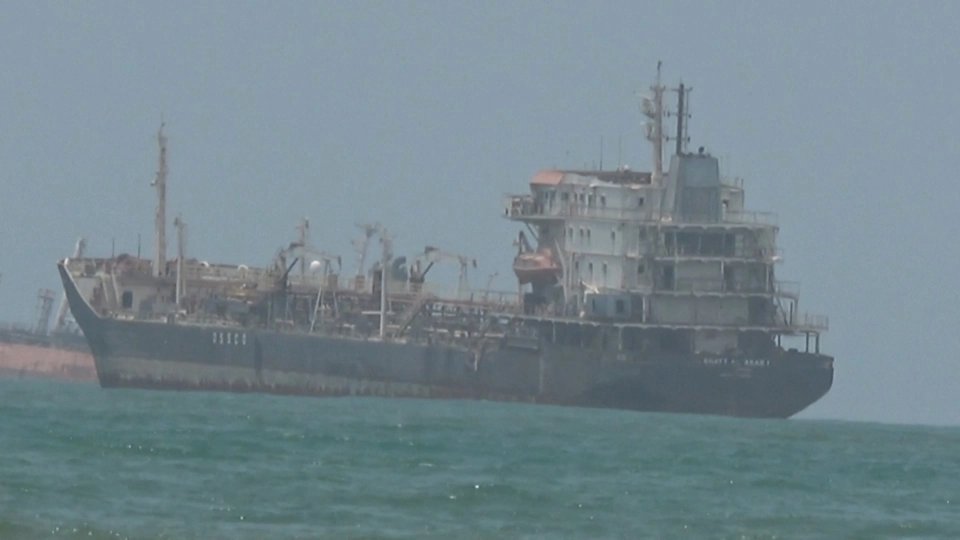
But, after almost five months of war, the situation in the Middle East is growing more complicated with new players. Some 2,000 km away from the Strait of Hormuz, ships sit in another critical waterway, the southern entrance to the Red Sea. With the Strait of Hormuz largely blocked, this has been a lifeline for oil and gas heading from Saudi Arabia to Asia.
REPORTER:
Now, there is a risk Iranian allies in this part of the world could close this alternate route down too. As tensions rise, some ships in the Red Sea are turning round.
REPORTER:
Over the weekend, the Iran-aligned Houthis in Yemen say they hit a Saudi oil target just days after declaring a blockade on Saudi Arabia. Analysts have been warning for days about the risk of a double blockage in the Persian Gulf and the Red Sea entrance.
Naveen Das (SENIOR ANALYST, KPLER):
Really, the knock-on implications are huge. Energy prices, food prices, cost of transport, inflation in general, the same as what we had at the beginning, but maybe just adding a little bit on because we've blocked another escape valve for energy.
REPORTER:
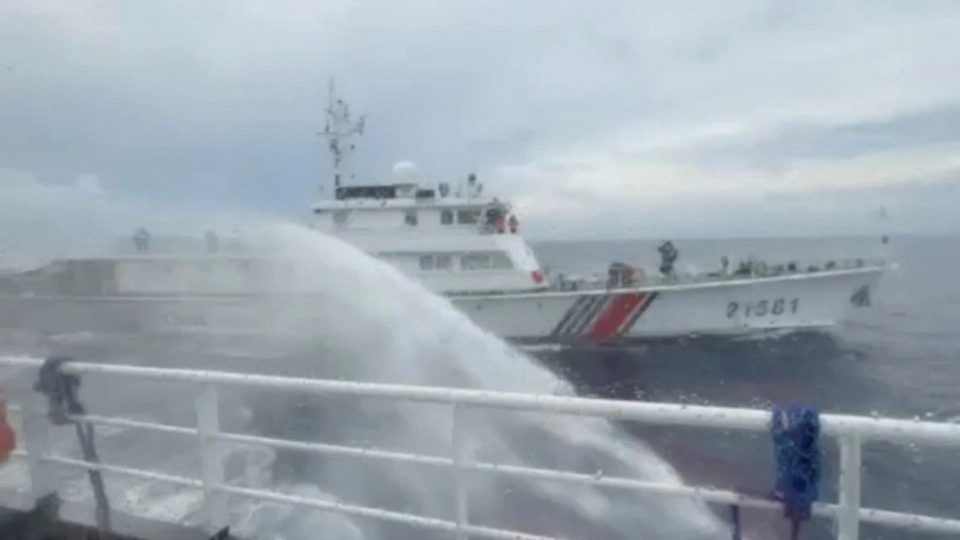
Amid these developments, Iran and Ukraine are in a diplomatically rocky situation after Kyiv hit an Iranian vessel in the Caspian Sea, killing one sailor. Iran claims the vessel was civilian but Ukraine says it was moving Iran-linked Russian military hardware.
REPORTER:
Iran has accused Ukraine of expanding its war beyond Russia and says the attack, quote, cannot go unanswered. This could mark a new phase in conflict in the Middle East as two of the world’s most hard-fought wars converge, neither of them with an end in sight.