Japan’s Visa Crackdown
Tighter rules threaten foreign-owned small businesses
REPORTER:
Like many of Tokyo’s neighborhoods, Okubo in Shinjuku is dotted with foreign-owned shops and small businesses. But for the immigrants running small eateries and shops, time could be running out.
REPORTER:
Among them is Budhathoki Samjhana, a Nepalese national who’s opened several restaurants in Japan. But new rules have raised the capital requirement for small businesses like hers sixfold.
Budhathoki Samjhana (RESTAURATEUR):
This 30 million yen issue is a problem. I came here as an international student and managed to obtain a business manager visa, But suddenly this completely unexpected amount has come up. I don’t see how I can possibly prepare that kind of money.
REPORTER:
The tighter regulations came in last October, soon after Prime Minister UNIDENTIFIED PERSON took office. They come as some residents complain of overtourism and soaring land prices, due in part to rising foreign investment.
UNIDENTIFIED PERSON (JAPANESE PRIME MINISTER):
It is a fact that there are sectors in which foreign nationals are necessary as human resources. That said, a situation is now arising in which Japanese nationals are feeling unease or injustice in response to illegal activities or deviations from the rules by a subset of foreign nationals in Japan.
REPORTER:
The business manager visa was designed to attract entrepreneurs, requiring just 5 million yen or 30,000 US dollars in capital, with no requirements for Japanese language ability or local hires. But those terms have also raised concerns about abuse.
REPORTER:
Before the changes, visa numbers shot up 70% in five years, reaching around 46,000 holders by mid-2025. Now, an immigration consultant says the measures may have proven too effective.
Komori Daisuke (ADMINISTRATIVE SCRIVENER):
There are almost no new applications coming in anymore. It’s down to about 90 percent fewer cases. Meanwhile, existing business owners are clearly struggling.
REPORTER:
For Budhatoki Samjhana, the stakes are deeply personal. After a decade apart, her daughter has just settled into a new life in Japan and is now enrolled in a local school.
Budhathoki Samjhana (RESTAURATEUR):
Under the strict rules, my child and I may not be able to stay together. There's a high chance we will be told, "you are foreigners we don't need,” even though we’ve been doing everything properly.
REPORTER:
Even so, she isn't asking for blanket leniency.
Budhathoki Samjhana (RESTAURATEUR):
If you just throw everyone together, mixing good and bad people in the same category, the good people end up having a really hard time.
REPORTER:
Japan's government shows no sign of relenting — but the country’s justice minister said in April that cases will be assessed individually, leaving some room for flexibility.
REPORTER:
For a country unaccustomed to large-scale migration, that's a small opening. And for Budhatoki Samjhana from Nepal, it may be enough to hold on to.
 00:35
00:35 02:26
02:26 02:43
02:43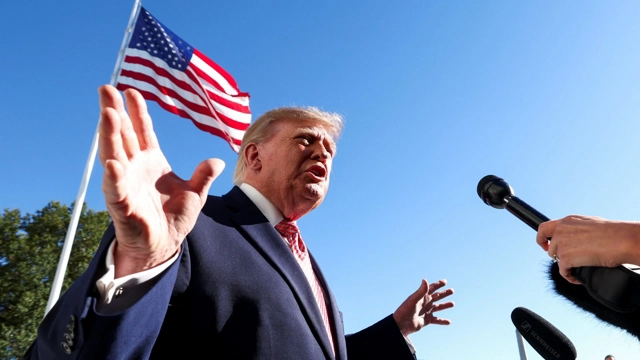 00:48
00:48 04:09
04:09 00:32
00:32 00:36
00:36 00:53
00:53 00:54
00:54 03:28
03:28 00:54
00:54 00:24
00:24 02:34
02:34 00:59
00:59 00:36
00:36 00:35
00:35