South China Sea Disputes
REPORTER:
Taiwan's foreign ministry says disputes in the South China Sea need to be resolved peacefully and according to international law. It comes after a joint statement from 14 countries saying that China's maritime claims in those waters have no legal basis.
REPORTER:
Taiwan reasserted its four principles on the South China Sea. It says disputes should be resolved peacefully, that Taiwan should be included in multilateral talks, that relevant countries should ensure freedom of navigation and that it would be willing to set aside differences for now to focus on promoting joint development, both protecting nature and for resources.
The joint statement, signed by Japan, the Philippines, the US and 11 other countries, came on the 10th anniversary of a court ruling that supported the Philippines’ challenge to China’s claims to nearly the entire South China Sea, which intersect with those from several Southeast Asian countries.
REPORTER:
But Taiwan’s latest statement appears to have toned down language rejecting the outcome of the ruling 10 years ago.
Ray Powell (EXECUTIVE DIRECTOR, SEALIGHT FOUNDATION):
So the 2016 ruling put Taiwan in a strange position. First of all, Taiwan or the republic of China was the first to make the big nine-dash line in the first place, and it's never walked that back so in some ways Taiwan still has the claim on the books.
REPORTER:
But Taipei also sees the need to continue cooperation with international partners.
Ray Powell (EXECUTIVE DIRECTOR, SEALIGHT FOUNDATION):
Taiwan recognizes in the main, by and large, the spirit and larger question the arbitration ruling came up with, are in Taiwan's favor in restraining China's maritime expansion.
REPORTER:
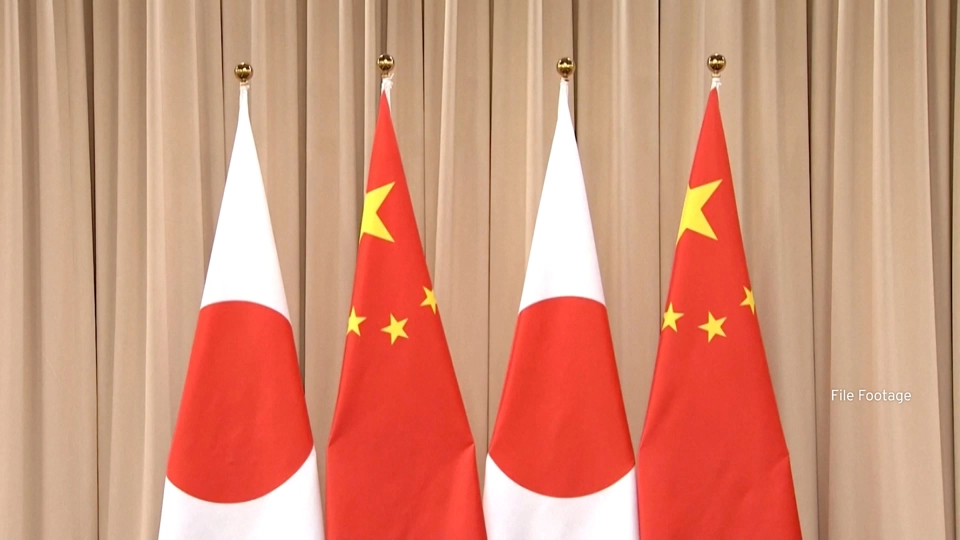
Beijing has reiterated its stance that the 2016 ruling was "illegal, null and void," accusing the Philippines of expanding its own claims. It’s also protested against Japan’s participation in the joint statement.
REPORTER:
But in the 10 years since the ruling, tensions have been escalating in the South China Sea. There are regular clashes between Philippine and Chinese coast guard vessels. Most recently, Chinese scholars made claims to the Philippines' northernmost province of Batanes, sparking a severe response from Manila.
REPORTER:
The region is also seeing expanded infrastructure projects and military exercises, with Washington, Tokyo, and Manila aiming to deter countries seeking to monopolize access to the region. This latest joint statement highlights attention on what might prove to be the next global flashpoint.
 03:39
03:39 02:15
02:15 03:07
03:07 03:25
03:25 03:01
03:01 00:42
00:42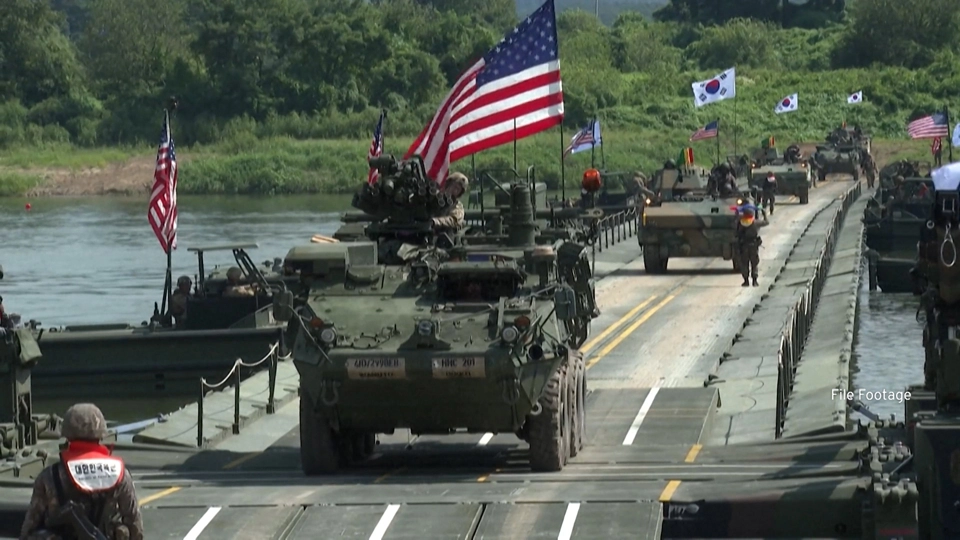 00:30
00:30 02:42
02:42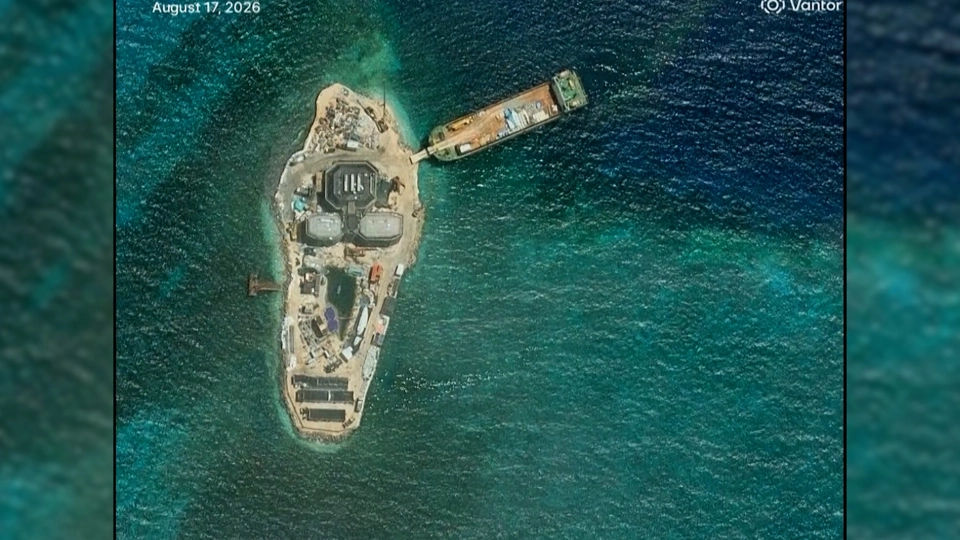 02:54
02:54 03:24
03:24 02:06
02:06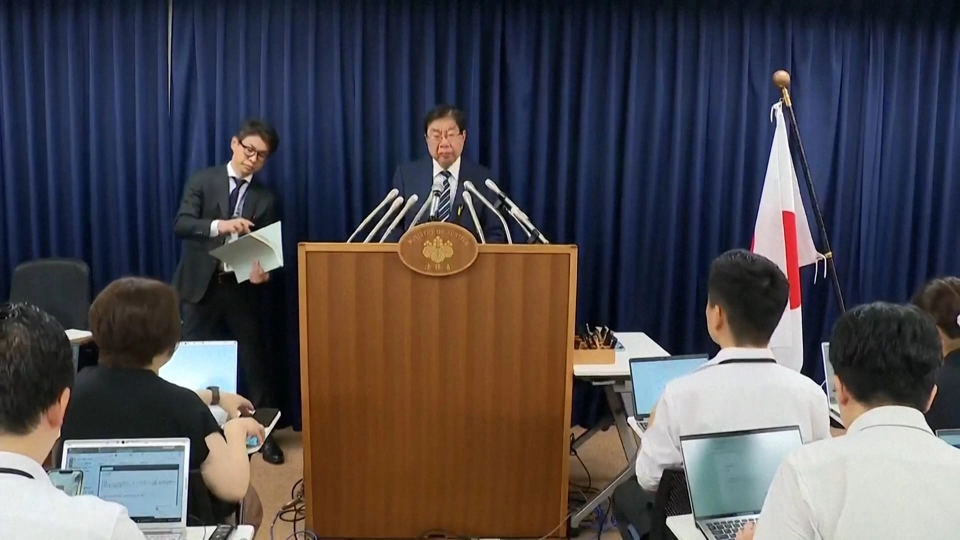 00:32
00:32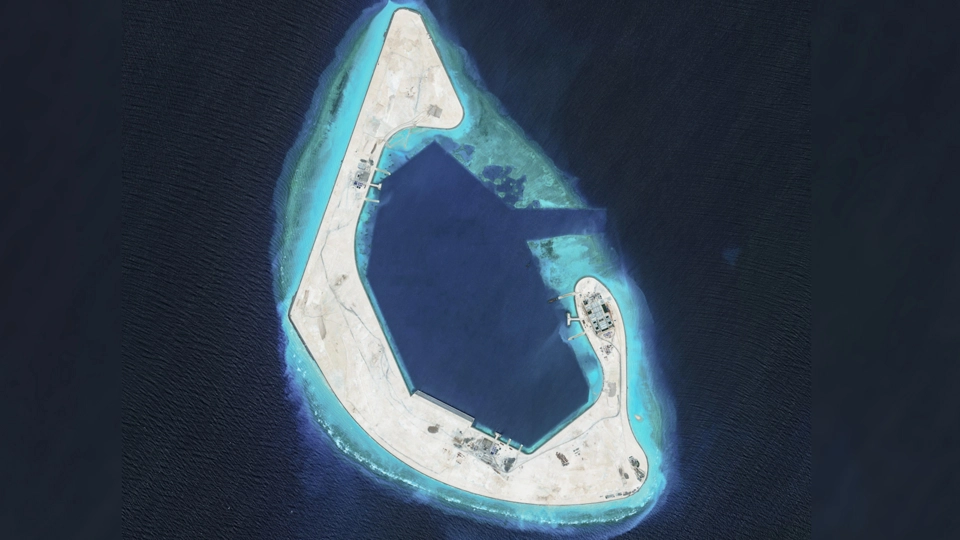 00:29
00:29 00:30
00:30 03:50
03:50 03:09
03:09