Nuclear Treaty Expiry Raises Questions Over Global Arms Control
REPORTER:
A treaty that’s limited the US and Russia’s deployed nuclear arsenals for over a decade is expired. The US hasn’t responded to Russia’s offer to extend the treaty for a year. And with China expanding its own arsenal, it’s hard to say what’s next for nuclear safeguards in place since the Cold War.
REPORTER:
A Russian intercontinental ballistic missile erupts from a silo in this footage the country’s defense ministry put out in October. Back then, Russia and its rival the US still adhered to a strict cap on how many strategic nuclear warheads they could deploy: around 1,500 each. But as of Thursday, that arrangement – the 2010 New START Treaty – has expired.
REPORTER:
Even at the height of the Cold War, the US and Russia limited their nuclear stockpiles through a series of treaties.
REPORTER:
Now, the guardrails are off, and there’s no guarantee they’re coming back.
REPORTER:
As early as last year, US President Donald Trump suggested denuclearization for Russia. As well as rising nuclear power China.
Donald Trump (US PRESIDENT):
And I know they're going to do it. They agreed to it. We were talking about denuking, denuclearize, denuking and President Putin and I agreed that we were going to do it in a very big way.
REPORTER:
While Russia’s President Putin proposed extending the treaty:
Vladimir Putin (PRESIDENT):
Therefore, Russia is prepared to continue adhering to the central quantitative limitations of the New START Treaty for one year after February 5, 2026. We believe this measure will only be viable if the United States acts in a similar manner.
REPORTER:
But nothing has come of either suggestion yet, with both countries focused on Russia’s war in Ukraine. An anonymous White House official said Monday Trump will decide what do about arms controls—quote-- “on his own timeline”.
REPORTER:
And in any case, Washington’s split. Accepting Putin’s extension means there’s time to plan next steps and show both sides want to keep the guardrails on.
REPORTER:
But there’s no guarantee Russia is living up to its agreements anyway: Moscow has refused inspections since 2023.
REPORTER:
And then there’s the big question of China. Russia and the US still have around 87% of the world’s nuclear warheads, even if only a fraction are deployed and many are retired, but China is expanding its arsenal fast. It has around 600 warheads today. By 2030, that could rise to as many as 1,000. Beijing has rejected three-way arms talks, since, for now, its arsenal is still the smallest of the three.
Unnamed Chinese Official:
I can assure you that if the US says that they are ready to come down to the Chinese level, China would be happy to participate the next day. But we know that that's not going to happen. We know the US policy. And we are more realistic, frankly speaking.
REPORTER:
Some observers say China could take advantage of continued US caps on nuclear weapons. The result would be a country emboldened to push its objectives, maybe including its long-threatened takeover of Taiwan.
REPORTER:
As the US considers what to do next, it’s clear that putting limits on China’s nuclear weapons program is on the minds of officials in Washington.
White House Official:
The president's been clear in the past that in order to have true arms control in the 21st century, it's impossible to do something that doesn't include China because of their vast and rapidly growing stockpile.
REPORTER:
Not all see an immediate arms race now that the treaty’s expired—but they say the danger of a long-term buildup is real and concerning.
Analyst:
I mean, this marks a potential turning point into a much more dangerous period of global nuclear competition, the likes of which we've not seen in our lifetimes.
REPORTER:
As the world order shows signs of fracturing, a big feature of that order—limits on nuclear arms—now has an uncertain future.
 00:37
00:37 02:22
02:22 02:31
02:31 00:58
00:58 00:28
00:28 00:39
00:39 01:51
01:51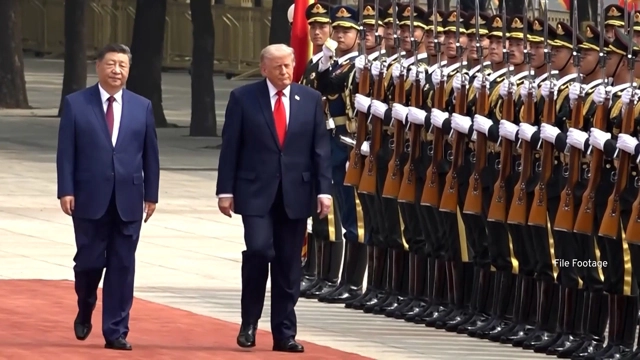 04:23
04:23 03:04
03:04 00:28
00:28 03:29
03:29 02:48
02:48 05:35
05:35 02:54
02:54 00:41
00:41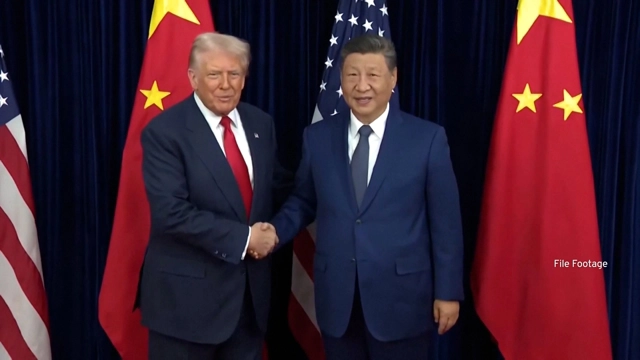 00:34
00:34