America Eyes Chipmaking
REPORTER:
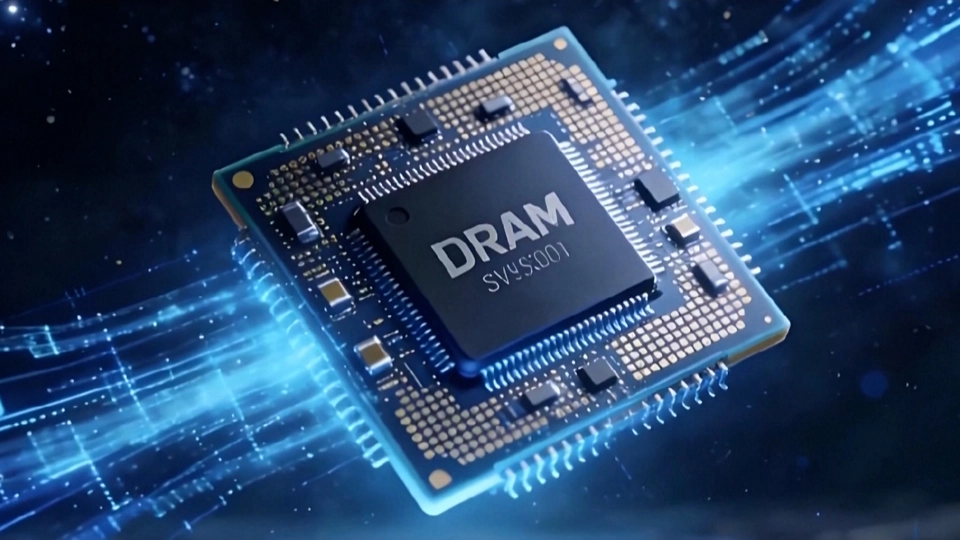
American president Donald Trump predicted that the US will return to leading the world in semiconductor production during his current term.
Donald Trump (US PRESIDENT):
Taiwan would never be in the position they're in now. Of course, you know, they're a little bit of a tenuous position, and I have them all moving back. They're all moving back into this country. We're going to have 40 to 50 to 60% of the chips, I think by the time we're pretty close to the time I leave office, they're building chip factories in Arizona in particular. The biggest company in the world is building. They're leaving Taiwan.
REPORTER:
Trump was referring to Taiwan’s TSMC during a CNBC interview on Friday. The company has invested hundreds of billions of US dollars in chip factories in Arizona. It's not the first time Trump has accused Taiwan of stealing America’s chip industry — and his desire to get it back. Taiwanese officials however said Taiwan would remain a leader in the technology.
Kung Ming-hsin (ECONOMY MINISTER):
TSMC has announced its expansion plan in Taiwan. If we include CoWoS, a type of high-end packaging, the total actually comes to 16 facilities. So frankly speaking there is no way the US can build anything close to that number.
REPORTER:
TSMC expanded its US investments last year by 165 billion US dollars.
America Eyes Chipmaking
REPORTER:
While TSMC’s US manufacturing is still expanding, it's questionable whether that alone will be enough to meet President Trump's target of 50% to 60% US chip production. There's still a considerable gap. Unless TSMC further scales up its US footprint by significantly expanding its manufacturing cluster and increasing its investment.
---
TSMC has been expanding its investments in the US. How will this affect the company and Taiwan in the long term?
Tai Chih-yen (CIER):
Looking ahead, the key concern is how TSMC will manage such rapid global expansion in the short term. Can it recruit enough talent and can its internal training systems keep pace with that growth? Another question is whether its management structure will become increasingly decentralized with HQs in Taiwan, an operational hub in the US and joint-venture operations in Japan and Europe.
In the past, the US has often required key industries to maintain some form of firewall from their parent foreign companies or even operate as legally and operationally independent entities. The question is whether something similar could eventually happen with TSMC. At the same time, there is currently no clear mechanism to ensure that Taiwan’s interests and TSMC’s own interests remain aligned in a way that preserves Taiwan’s central role in the AI economy without being diluted or weakened.
---
Given the US's push for semiconductor leadership and growing competition from countries like South Korea, can Taiwan maintain its lead in the global chip race?
Tai Chih-yen (CIER):
I think Taiwan’s industries are very resilient, but resilience is often forged under pressure and you're forced to adapt and respond. Structurally, Taiwan depends on access to the US market while avoiding deeper economic ties with China. Given the current “America First” framework, the key question is how Taiwan can protect its interests while adapting to these conditions and ideally create a relationship where both sides benefit.
As time goes on, Taiwanese companies are likely to face not only tariff-related pressures, but also the return of similar trade barriers in other forms. Issues such as market access, regulatory standards, labor rights and human rights compliance are all areas that Taiwan has historically been less experienced with or less familiar with. As a result, these factors will increasingly add to the operational and managerial pressures facing Taiwan’s industries.
 03:23
03:23 00:42
00:42 00:48
00:48 00:40
00:40 02:56
02:56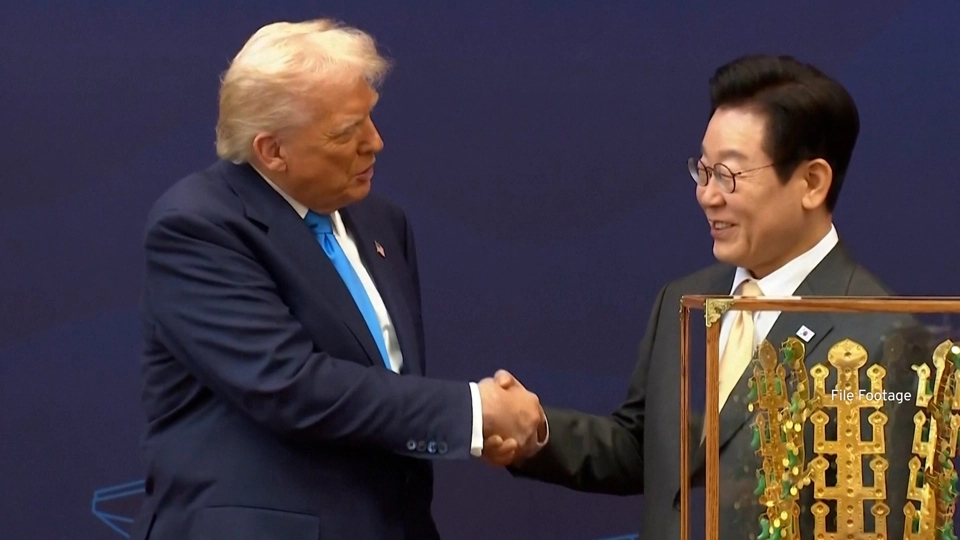 03:24
03:24 00:30
00:30 02:36
02:36 00:23
00:23 00:33
00:33 03:09
03:09 04:06
04:06 00:39
00:39 00:36
00:36 00:25
00:25 00:22
00:22