A New Era of Nuclear Testing?
Capping off a whirlwind Asia trip with a nuclear surprise.
US President Donald Trump has ordered new tests of US weapons after a 33-year freeze. It’s been decades since the world’s three leading nuclear powers—Russia, the US and China—have done nuclear tests. The sudden order came just before a meeting with China’s President Xi Jinping in South Korea. While in the air Thursday, Trump told reporters about his thinking.
Donald Trump (US PRESIDENT):
It had to do with others. They seem to all be nuclear testing. We have more nuclear weapons than anybody. We don't do testing and we've halted it years, many years ago. But with others doing testing I think it's appropriate that we do also.
Arms monitors generally agree it’s actually Russia, not the US, that has the world’s biggest nuclear arsenal. And while Moscow has recently tested a nuclear-powered torpedo and a nuclear-capable cruise missile, post-Soviet Russia has never done a nuclear test. The Kremlin suggested Trump may be misinformed—and said that Russia won’t take the return of US tests after so many years lightly.
The U.S. is a sovereign country which has a right to make its sovereign decisions. But I want to recall President Putin's statement, which has been repeated many times: if someone departs from the moratorium, Russia will act accordingly.
China hopes that the US will earnestly abide by and respect its obligations under the Comprehensive Nuclear Test-Ban Treaty and its commitment to suspend nuclear testing and take concrete actions to safeguard the international nuclear disarmament and non-proliferation system and maintain global strategic balance and stability.
At the United Nations, there is strong rejection of Trump’s plan. The global body says tests not only heighten the risk of a disastrous conflict but have also caused harm. Outcry over testing’s impact to human health and the environment is one reason why it’s largely stopped since the 1990s.
UN Secretary-General Spokesperson:
The Secretary-General has repeatedly asserted that current nuclear risks are already alarmingly high and all actions that could lead to miscalculation or escalation with catastrophic consequences must be avoided. And as he has said, we must never forget the disastrous legacy of over 2000 nuclear weapons tests carried out over the last 80 years, and that nuclear testing can never be permitted under any circumstances.
This doesn’t seem likely to sway the US, with Vice President JD Vance saying it’s just about making sure the arsenal still works like it’s supposed to.
JD Vance (VICE PRESIDENT):
The Russians have a large nuclear arsenal. The Chinese have a large nuclear arsenal. Sometimes you've got to test it to make sure that it's functioning and working properly. We've been working very closely, even with nations that we don't have the best relations with, to try to limit nuclear proliferation. The president's going to keep on working on that.
But analysts say the US can check up on its arsenal without having to explode anything. This had led some to think what Trump actually meant to say was that the US would test nuclear delivery platforms—like the missiles that can carry warheads.
But one analyst warns that if Trump does intend to restart explosive testing, it could hand China a big opportunity.
China has done less than 100 nuclear tests. And a lot of Chinese experts and officials have pointed out that China might be at a disadvantage in terms of knowledge of its arsenal and weapons designs because it just doesn't have as much testing data. And so if the taboo against nuclear testing was broken, if there was a return to more nuclear tests, China's stands to gain way more from this than the United States would.
Trump’s policy announcements can often be hard to parse, at least until more official information is publicly available. But now, after a long lull, it seems a new age of nuclear testing could be on the way, with the end result hard to predict.
Andy Hsueh and John Van Trieste for TaiwanPlus.
 03:23
03:23 00:42
00:42 00:48
00:48 00:40
00:40 02:56
02:56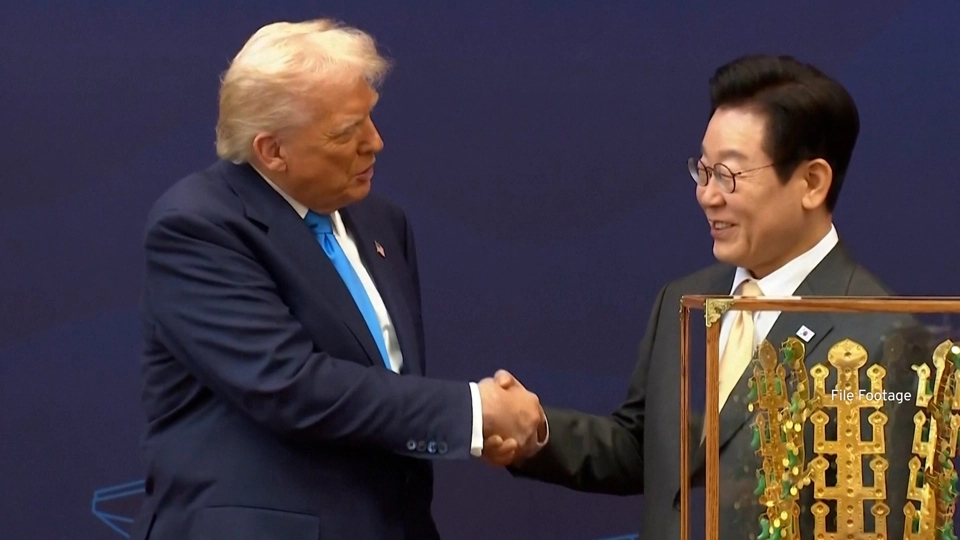 03:24
03:24 00:30
00:30 02:36
02:36 00:23
00:23 00:33
00:33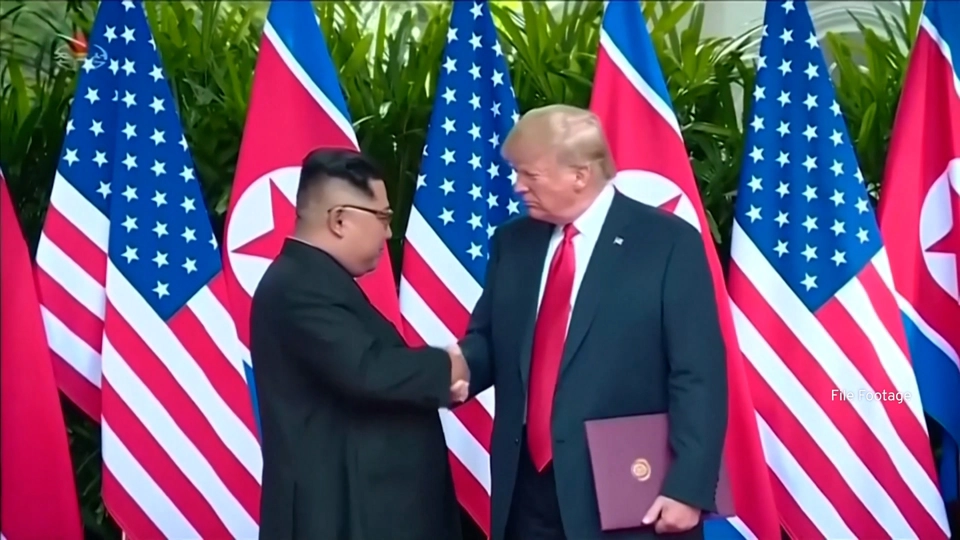 03:09
03:09 04:06
04:06 00:39
00:39 00:36
00:36 00:25
00:25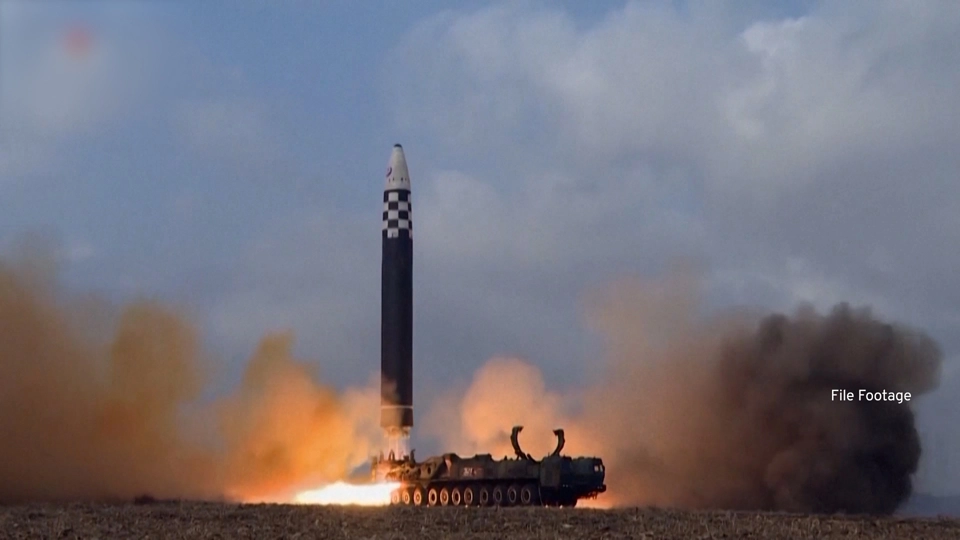 00:22
00:22