If you've ever visited the hot springs in Taipei's Beitou district... you've probably had to hike up its hilly streets. Now, for the moment, there's a new, easier option. This month, Uber is offering a free electric moto taxi service only in Beitou... and the option to simply hop on a scooter is meeting some people's needs.
RESIDENT: "It's pretty convenient for short-distance trips. I think it would also be cheaper than Uber car rides."
RESIDENT: "The drivers will provide a helmet? Then I think it’s nice. Because cars and motorcycles take different routes so motorcycles might be faster."
Uber’s pilot project recruits local drivers who meet its safety standards – and is marketing the rides as a “short-distance cultural experience”. TaiwanPlus tried their service 24 hours after launch. I’m standing outside Xinbeitou MRT station... the heart of this hot spring town... and I’ve been trying to get an Uber eMoto for a while now... but it seems like there aren’t many drivers available. But, the service comes with a catch — it’s technically illegal. Only four-wheeled taxis are permitted under Taiwanese law. The transportation ministry has warned Uber not to test the legal boundaries since May...and threatens to fine the company 790 thousand US dollars... and punish ride-share drivers that take part.
HE YU-TING, TAIPEI CITY PUBLIC TRANSPORTATION OFFICE: "For first-time offenders we will impose a 3,100 US dollar fine. We’ll also suspend their commercial and drivers’ licenses. The maximum fine is 6,200 US dollar."
But people here are no strangers to these services. For the past three decades... local driver Mr. Ling has been on call... picking up kids from school or giving residents a ride home. He charges no more than two US dollars for a single trip.
MR. LING, SCOOTER DELIVERY DRIVER: "Many of my clients are disadvantaged older adults. Before I would help carry them downhill from home. Now that I’m older, I can’t do it anymore. Be it shopping for groceries or picking up medication from the hospital we work really hard but we don’t earn that much. My clients would say 'It’s so good to have you.' That's all I need."
Scooter delivery and mototaxi services – like those provided by Mr. Ling -- can be traced back to as early as the 1950s... when Beitou was a famous red-light district. Since the 1980s... It's turned into more of an odd-job service...one that is disappearing.
RESIDENT: "This is Beitou’s culture. Because of its hilly terrain many taxis couldn’t reach certain destinations. Some older residents couldn't get to their front doors so they had to use this service. Drivers had to file a special request with the police and get approval. It is not something you can do casually."
RESIDENT: "The delivery riders are all used to this work. They've been doing it for decades and many are now older. Some have retired already. There aren’t many left."
RESIDENT: "They're serving local customers so they know them personally. In Uber’s case, though it’s strictly a driver-passenger relationship. There's no emotional connection. Uber is creating conflict with the local industry. This is a cultural specialty. You shouldn’t have a large corporation erode a local tradition in pursuit of profit."
For many Beitou residents... traditional mototaxis and their drivers go beyond mere convenience... they carry deep neighborly connections and memories. And, the community appears uncertain as to whether Uber is going to be able to pick up the load.
 00:32
00:32 00:28
00:28 02:16
02:16 02:35
02:35 02:01
02:01 01:12
01:12 02:16
02:16 00:35
00:35 02:13
02:13 00:41
00:41 01:50
01:50 01:23
01:23 00:27
00:27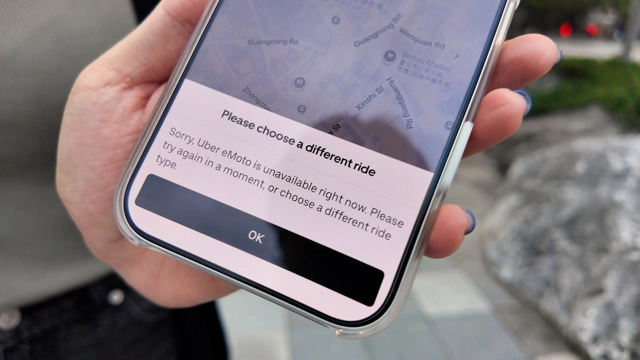 04:14
04:14 01:19
01:19 00:30
00:30