US Six Assurances
REPORTER:
Why do you think Huang Kuo-chang sent the letter? Do you think it reflects just the TPP’s concerns, or the broader opposition camp’s as well?
Wang Hung-jen (PROFESSOR):
It certainly looks in part as if he’s made this statement
in response to Donald Trump, who publicly said
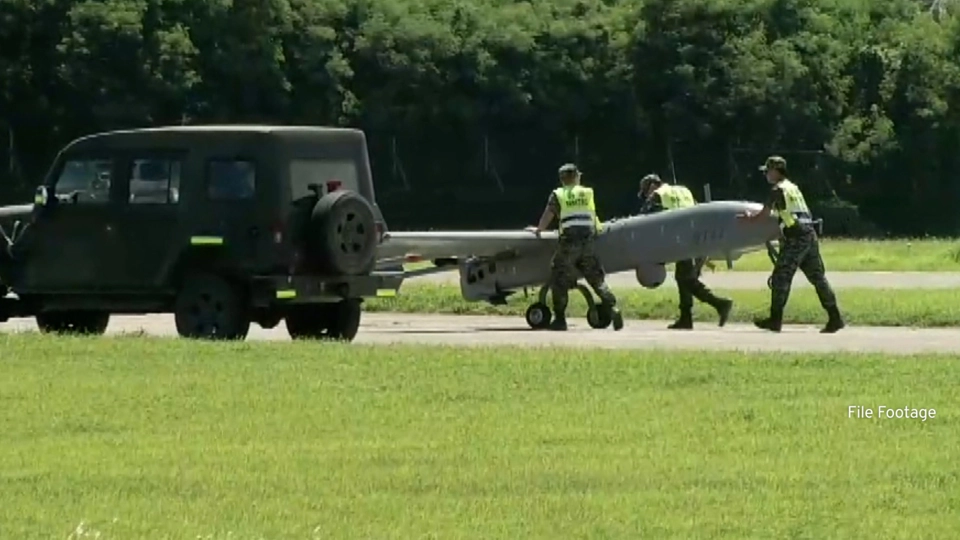
that US arms sales to Taiwan could be used
as a bargaining chip in talks with China.
But I also think [Huang’s] letter
isn’t just addressed to Americans.
He’s also speaking to people in Taiwan as well.
It’s as if he’s telling voters that [the TPP]
in these past arms sales has had the biggest role.
That the final version of the special defense budget
was their version.
So he’s purposefully drawing a line
between the TPP and the Kuomintang
and telling Taiwan’s public that the TPP
is the party that’s really doing the most for Taiwan’s defense.
---
REPORTER:
He sent the letter just days before Taiwan's main opposition Kuomintang Chair Cheng Li-wun is set to visit the US. Do you think the two are related?
Wang Hung-jen (PROFESSOR):
I do think there’s some connection there.
Because it looks like Cheng Li-wun is going
purely to represent the KMT.
So the blue (KMT) and white (TPP) parties
seem to be making separate approaches
or rather separate contact with the US.
I think with the KMT under Cheng Li-wun
she wants to have the dominant position
in the alliance with the TPP.
I think Huang Kuo-chang, as the head of the TPP
naturally doesn’t want the public to be marginalized
in the issue of US-Taiwan relations.
[Huang] hasn’t made plans to visit the US
so he doesn’t want it to look like that Cheng
is controlling the direction of the opposition’s foreign affairs.
---
REPORTER:
What political messages can be interpreted from this letter? What does it say about the TPP’s political positioning?
Wang Hung-jen (PROFESSOR):
I think to a certain extent [Huang] is trying
to show that he’s approaching issues
from a Taiwanese point of view.
But I think there are some problems here.
First, by writing an open letter to appeal to the US
[Huang] to an extent is interfering
in the balance of powers between
the US executive and legislative branches.
In this sense, he’s overstepped a little.
I think the Americans may feel very confused.
They’ll be wondering what kind of political move
Huang is pulling.
I really think [this letter] was mostly for show.
 04:02
04:02 02:33
02:33 00:44
00:44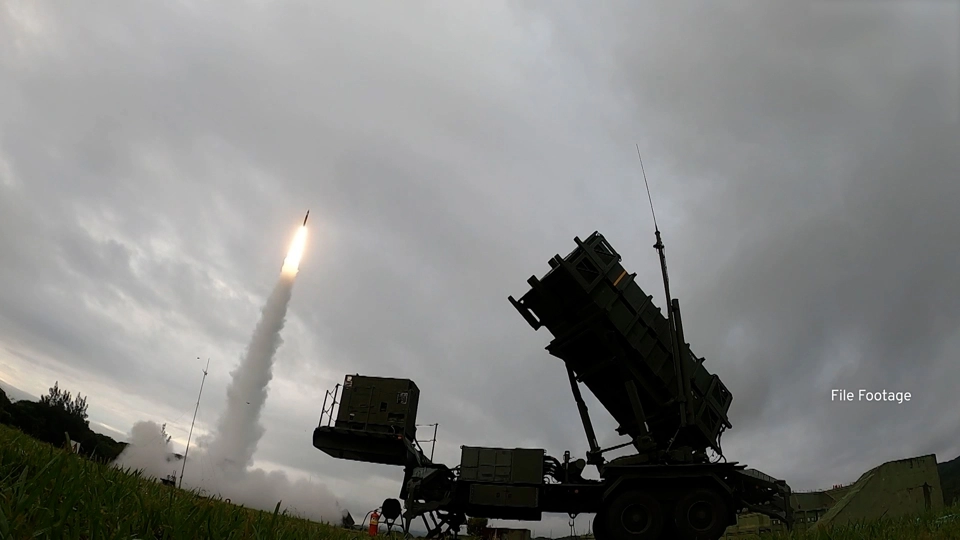 02:56
02:56 04:54
04:54 03:19
03:19 00:34
00:34 01:56
01:56 00:34
00:34 00:31
00:31 02:38
02:38 07:10
07:10 00:36
00:36 00:35
00:35 00:31
00:31 02:36
02:36