Taiwan Reaffirms Ties with US
REPORTER:
Officials here in Taipei say communication with the US remains normal, and they will continue deepening bilateral cooperation. That’s despite concerns following US President Donald Trump’s meeting with Chinese President Xi Jinping in Beijing earlier this month.
Taiwan and the US have institutionalized communication channels.
So after the Trump-Xi summit we also received briefings from the US government and repeatedly confirmed that US policy toward Taiwan has not changed. In addition, both sides hope to maintain peace and stability across the Taiwan Strait.
REPORTER:
In a report delivered to lawmakers, the foreign ministry said stable US-China ties and strong Taiwan-US relations are “NOT MUTUALLY CONTRADICTORY” and that US-China interactions “do not affect the continued deepening” of cooperation between Taiwan and the US.
REPORTER:
But some concerns still remain. Top of the list is Trump’s post-summit comment that US arms sales to Taiwan could be used as a “negotiating chip” in US-China talks.
Lawmakers pressed national security officials on whether they knew Trump would use that language, and whether an expected $14 billion US dollar weapons package could now face delays.
At this point, the outcome of the Trump-Xi summit appears to be highly uncertain. It also seems to be gradually moving in a direction that is not favorable to us. I’m worried that our government may have misjudged the situation.
The committee member may have noticed that after Trump’s return he made some adjustments to his earlier remarks. That is why, as I mentioned earlier, it is important to clearly distinguish which statements reflect long-established US policy.
REPORTER:
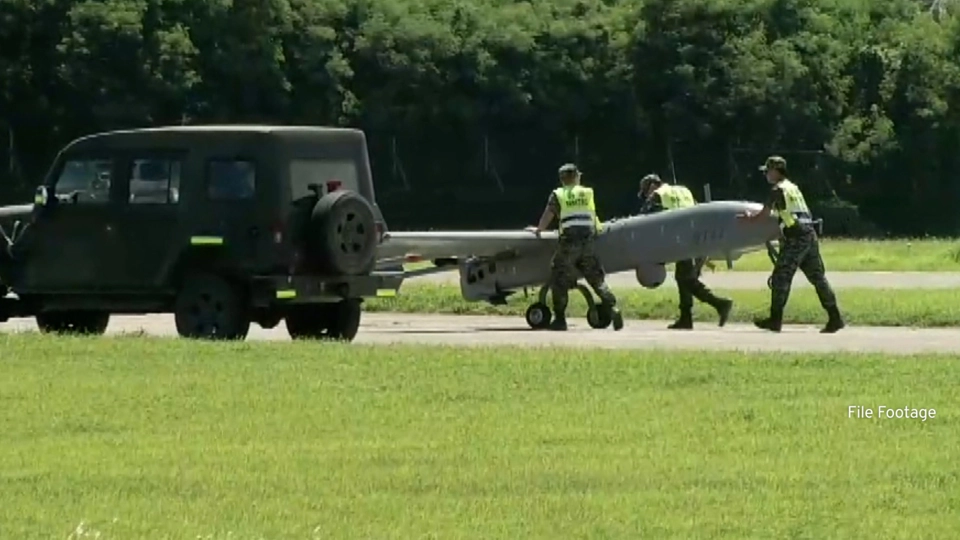
Taiwanese officials say despite media reports, they have not received notification from the US of any delays in arms sales.
But last Thursday, acting US Navy Secretary Hung Cao said the administration was pausing some foreign military sales to stock up on munitions for the conflict in Iran.
A US expert visiting Taipei said it was unlikely that the conflict – dubbed Operation Epic Fury -- would affect long-term arms packages that had already been negotiated.
There's no way in which FMS that has been decided or notified could be associated with operational inventories or anything else that have taken place with respect to Operation Epic Fury.
I think these are separate issues and should be treated that way.
REPORTER:
$14 billion US dollars for the pending sale had been included in a recent special defense funding bill passed earlier this month. US lawmakers have also expressed their support for continued arms sales to Taipei.
REPORTER:
Since the summit, Trump has twice said that he would be willing to speak with Taiwan’s President Lai Ching-te to discuss arms sales, which would be unprecedented for US-Taiwan ties.
Taiwan’s foreign minister said that a phone call between the two leaders would be viewed “very positively,” but so far no consultations have taken place to set up the call.
Some experts agreed, saying Trump and other US leaders need to engage with their Taiwanese counterparts to gain a better understanding of the country.
REPORTER:
All eyes are now on whether arms sales and any other parts of US-Taiwan ties change in the aftermath of the Trump-Xi summit. Although officials here maintain confidence in the relationship, what happens next may come down to Washington.
 04:02
04:02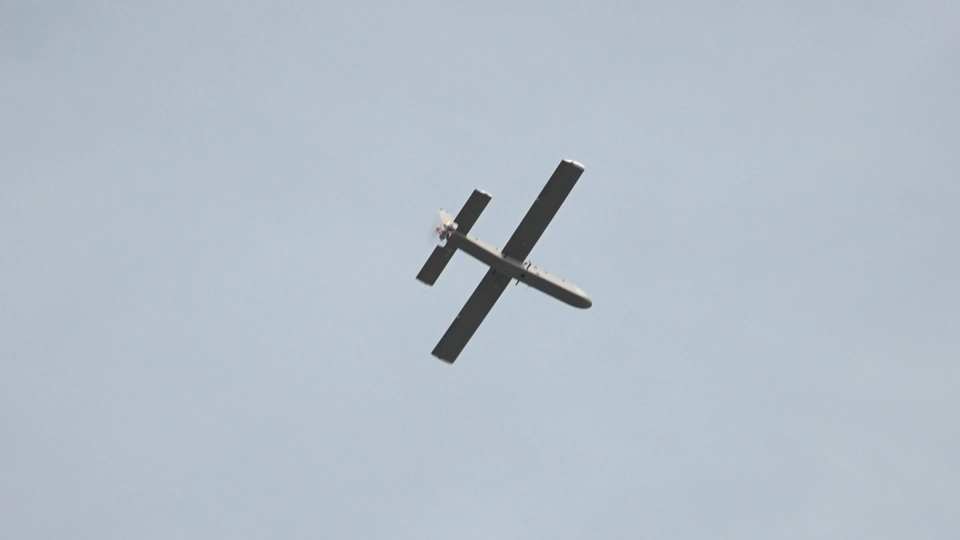 02:33
02:33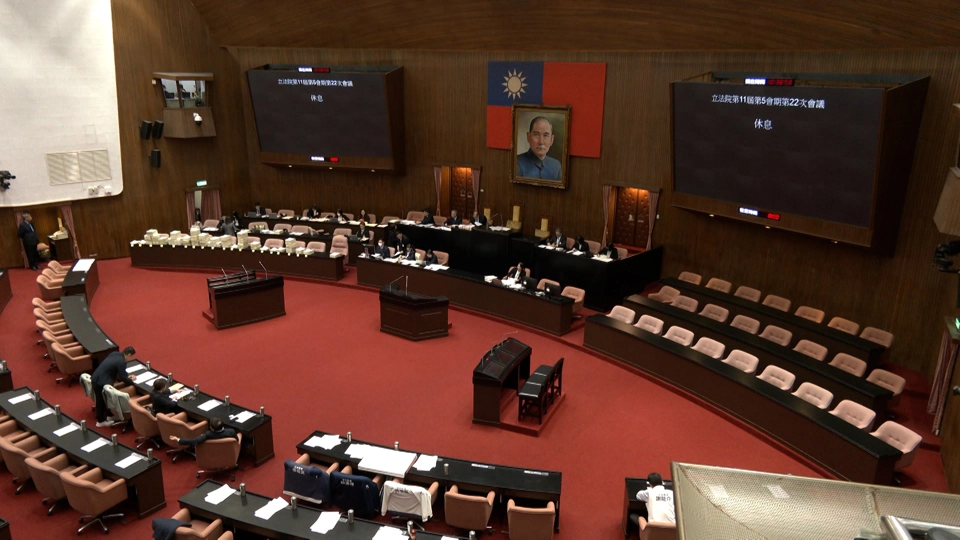 00:44
00:44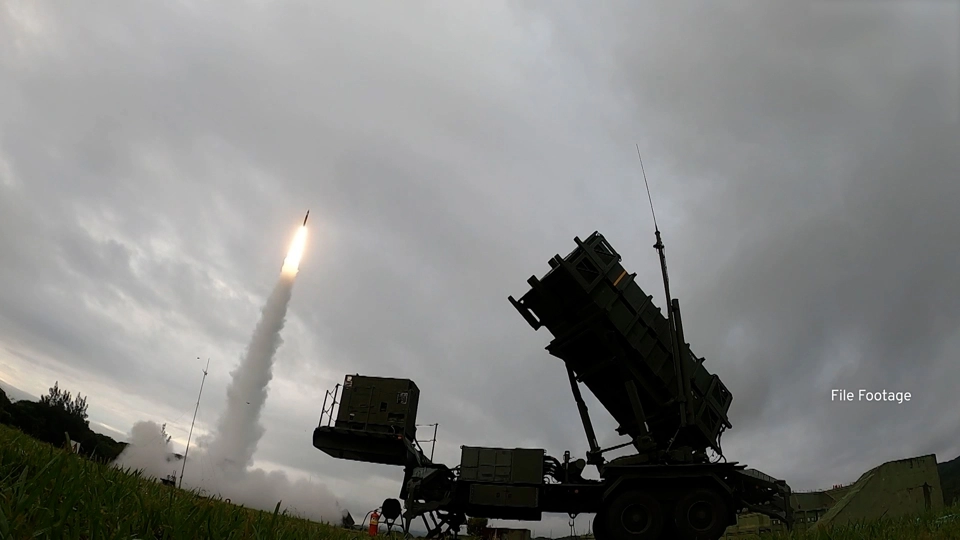 02:56
02:56 04:54
04:54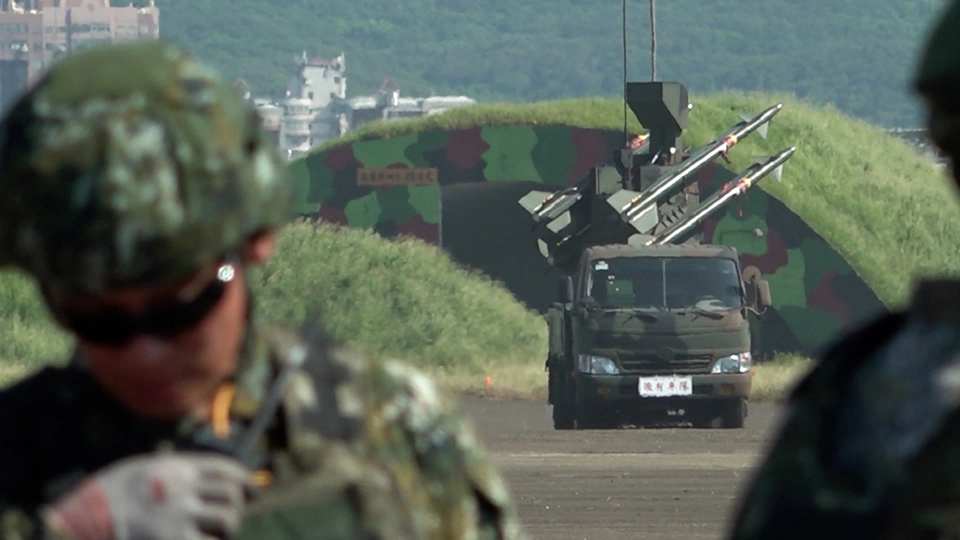 03:19
03:19 00:34
00:34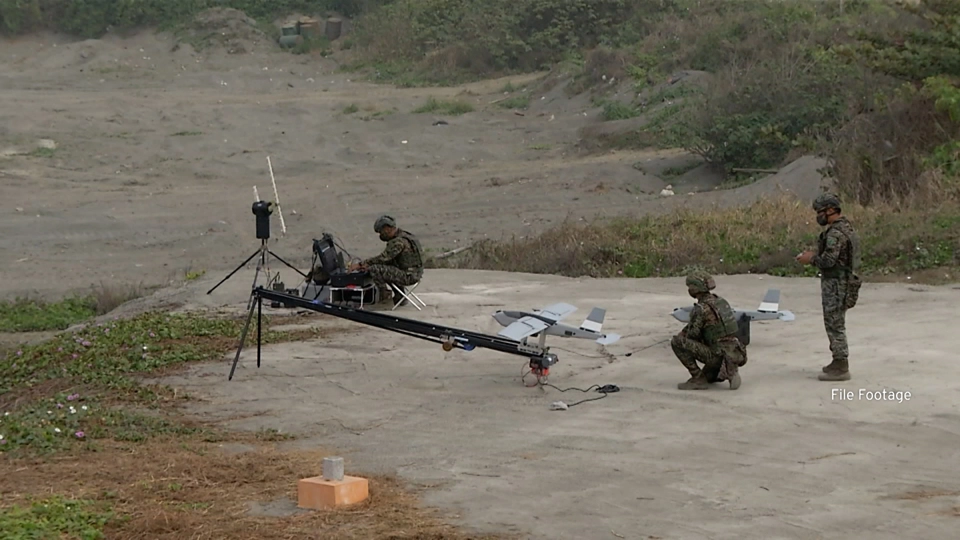 01:56
01:56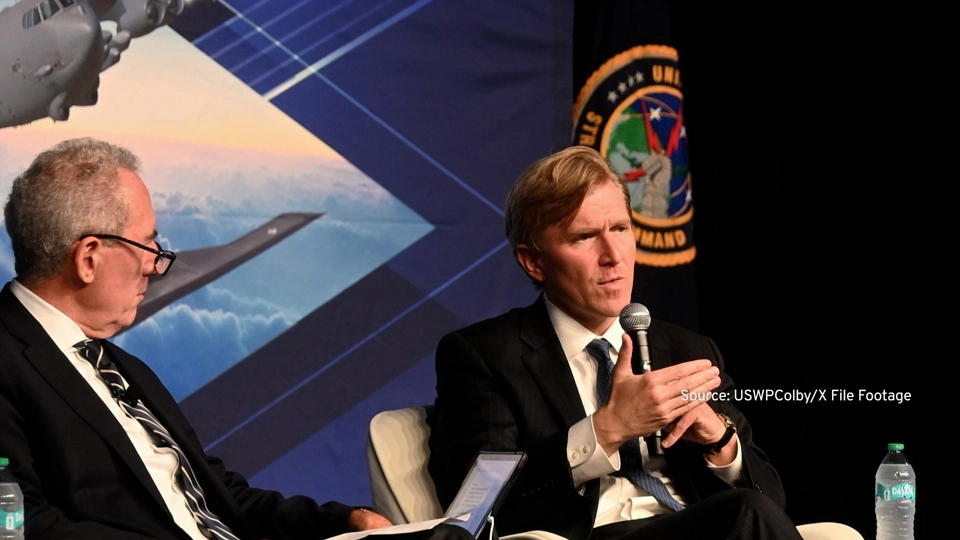 00:34
00:34 00:31
00:31 02:38
02:38 07:10
07:10 00:36
00:36 00:35
00:35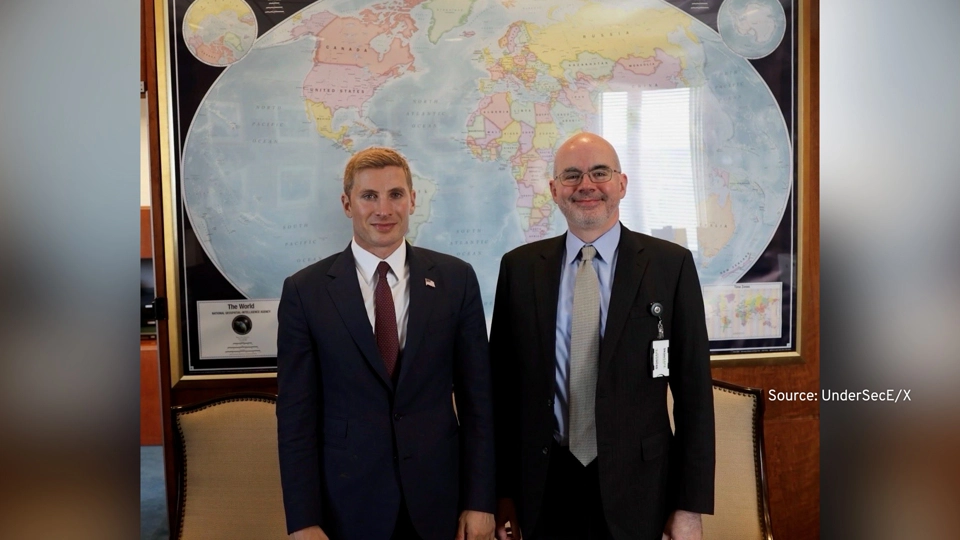 00:31
00:31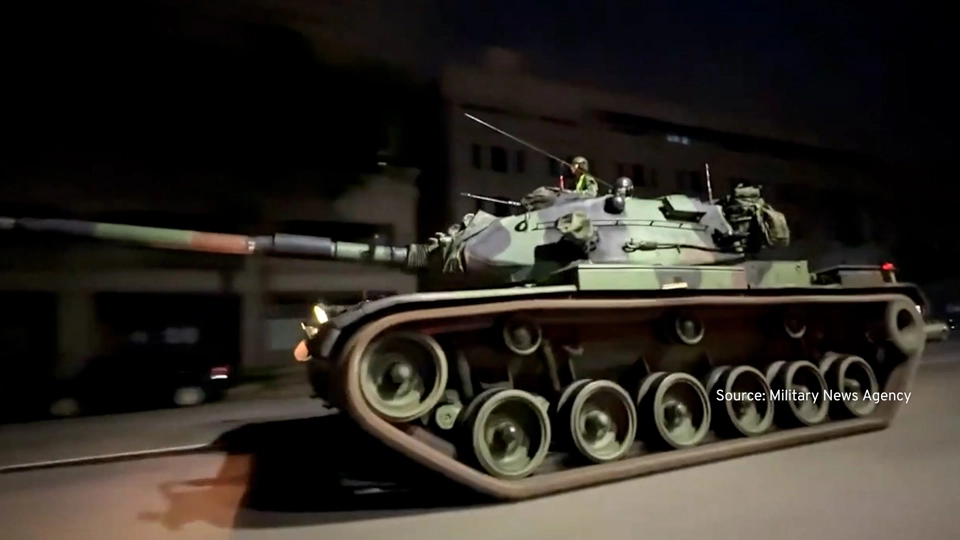 02:36
02:36