REPORTER:
Professor Qiu, which sectors in Taiwan would see the biggest impact from China’s new measures?
Chiou Jiunn-rong (PROFESSOR, NATIONAL CENTRAL UNIVERSITY):
The main affected industries certainly include agriculture and fisheries as well as the film and television industry and a wide range of small and medium-sized enterprises. But these enterprises haven't shown much response so far. This is because the actual benefits of these incentive measures are relatively limited. Regarding agriculture, past experience tells us that exporting agricultural products to China under certain conditions is fraught with risk. History shows us that if there are many political conditions as preconditions such exports are uncertain and can be easily interrupted.
REPORTER:
From your observations, how are businesses and industry groups in Taiwan interpreting these measures?
Chiou Jiunn-rong (PROFESSOR, NATIONAL CENTRAL UNIVERSITY):
Currently, across various industries whether in agriculture and fisheries or the film and television industry or even among the broader small and medium-sized enterprises discussions about the ten incentive measures are relatively lukewarm with most of the attention coming from politicians. Therefore, I reasonably expect that the current discussion about the ten incentive measures will likely only be news for three days and after that, no one will be discussing it anymore. Mainly because the content of these measures appears to be very general and vague.
REPORTER:
The Lai administration is calling this move by China "economic coercion" because they can be reversed at any time. From your perspective, is there an underlying agenda for these policies, or are they normal tools for trade and integration?
Chiou Jiunn-rong (PROFESSOR, NATIONAL CENTRAL UNIVERSITY):
These so-called ten incentive measures are essentially unrelated to any economic and trade negotiations. It's purely a political maneuver aimed at influencing relations between the two countries. If we truly want to have economic and trade negotiations or discuss economic integration there's already a very good platform between the two sides which is the World Trade Organization. There are already established norms to follow and these norms absolutely do not include the “1992 Consensus” or opposition to Taiwan independence.
 03:34
03:34 00:31
00:31 00:35
00:35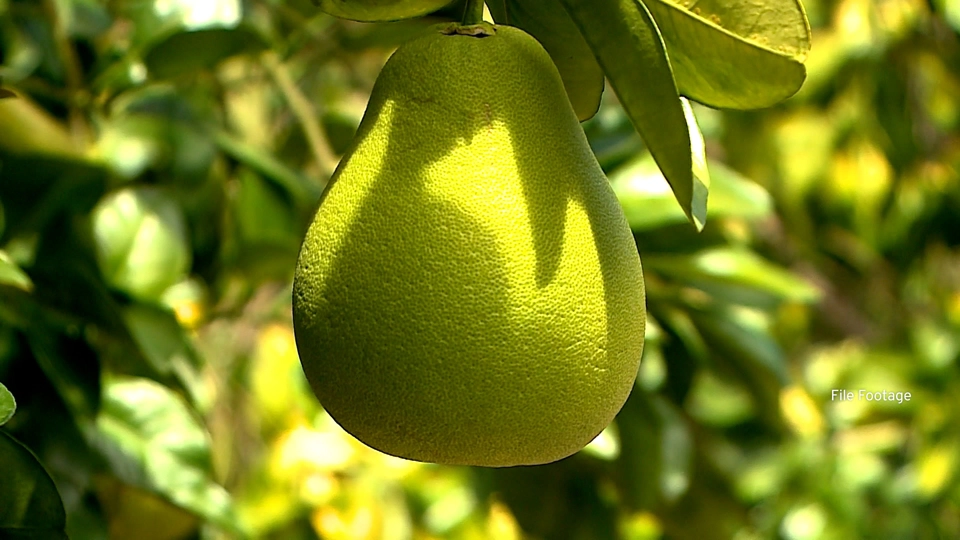 00:42
00:42 02:54
02:54 00:52
00:52 02:33
02:33 04:03
04:03 03:00
03:00 01:12
01:12 02:27
02:27 02:16
02:16 00:34
00:34 00:26
00:26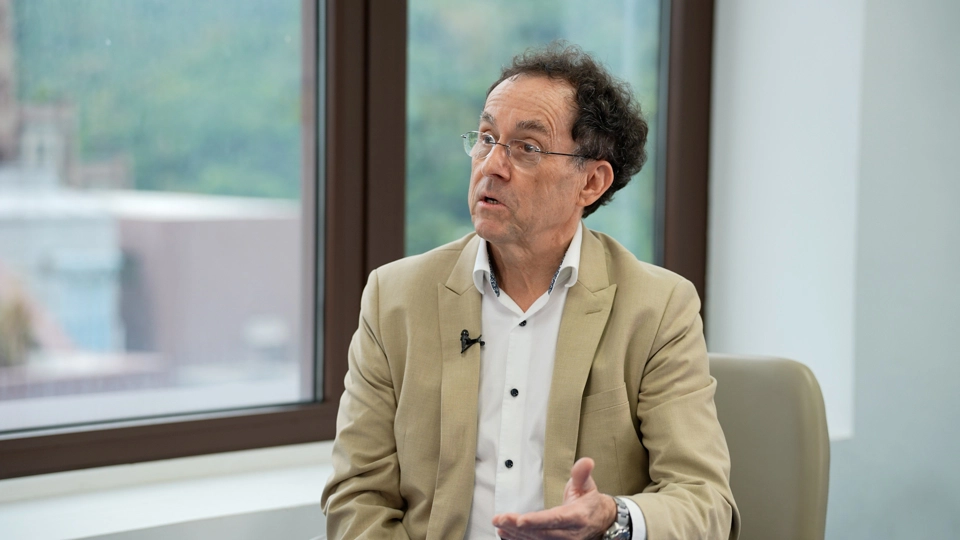 00:34
00:34 03:21
03:21