*This AI-generated summary is based on reporting by TaiwanPlus and verified by newsroom fact checkers. Learn more about our policy here.”
Taiwan’s Forgotten Chapter in the Vietnam War Comes into Focus on 50th Anniversary of Saigon’s Fall
As Vietnam marks 50 years since the fall of Saigon and the end of the Vietnam War, a lesser-known ally during the conflict is getting another look: Taiwan. Although not a major combatant, Taiwan played several key roles in supporting South Vietnam and the United States in their fight against communism.
April 30, 1975, saw North Vietnamese forces seize control of Saigon, ending decades of U.S. military involvement in the region. While the war’s devastation in Vietnam and the U.S. is widely chronicled—with more than 3 million Vietnamese and nearly 60,000 U.S. soldiers dead—Taiwan’s involvement is often overlooked.
During the war, Taiwan found a strategic ally in South Vietnam. Both governments were anti-communist and under threat. “One significant aspect is that the two countries were large trading partners… very significant for Taiwan’s early stage of industrialization,” said Trinh Huu Long, a Vietnamese journalist and activist based in Taipei. At its peak, exports from Taiwan to South Vietnam made up about 15 percent of Taiwan’s foreign trade.
Economic ties were matched by political and military support. Leaders from both countries made frequent visits, and Taiwan provided military training and assistance. Although Taiwan never officially entered the conflict, it reportedly sent operatives into North Vietnam—17 of whom were captured in 1964, according to a New York Times report.
Taiwan also hosted thousands of U.S. troops throughout the war. Officially stationed as trainers and advisors, Taiwan became a key transit point and rest area for American forces. Propaganda films from the era emphasized the island's role in the broader U.S. effort to contain communism in Asia.
The cost of this involvement was not negligible. In 1967, a car bomb targeted Taiwan’s embassy in Saigon, injuring at least 22 people.
Even as South Vietnam’s military collapsed, its President Nguyen Van Thieu continued to visit Taiwan—most notably in 1969 and 1973. When he fled Vietnam in 1975, his first stop was Taipei. There, just two days after Saigon fell, he met Taiwan’s interim leader C.K. Yen, future leader Chiang Ching-kuo, and paid respects to former President Chiang Kai-shek, who had died weeks earlier.
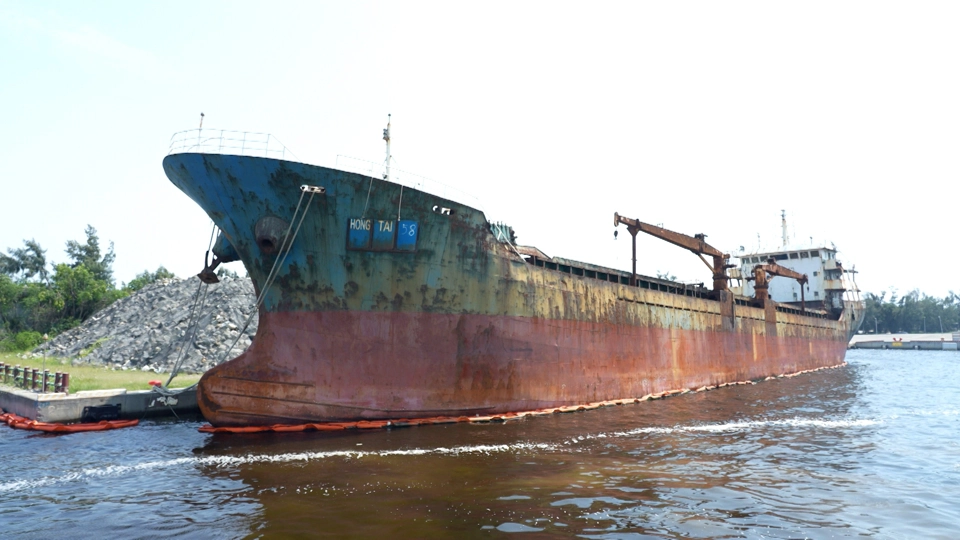
The aftermath of the war triggered a refugee crisis. While many “boat people” fled to neighboring Southeast Asian countries, some ended up in Taiwan. More than 2,000 Vietnamese refugees passed through a camp in the Penghu Islands. A small number were eventually allowed to stay, forming the roots of Taiwan’s Vietnamese community. “Nobody wants them,” said documentarian Asio Liu Chihsiung. “So in the end, the Taiwanese government allowed them to stay in Taiwan.”
Today, restaurants in Taipei’s Muzha area serve as quiet testaments to this shared past. “You are likely to end up meeting some former refugees who used to live in Penghu,” said Trinh.
Taiwan normalized relations with communist Vietnam in 1992, three years before the U.S. did. While Saigon has become Ho Chi Minh City and its battlefields draw tourists, Taiwan’s contributions—though small—remain an important and enduring legacy of a complex and violent chapter in Asian history.
 17:33
17:33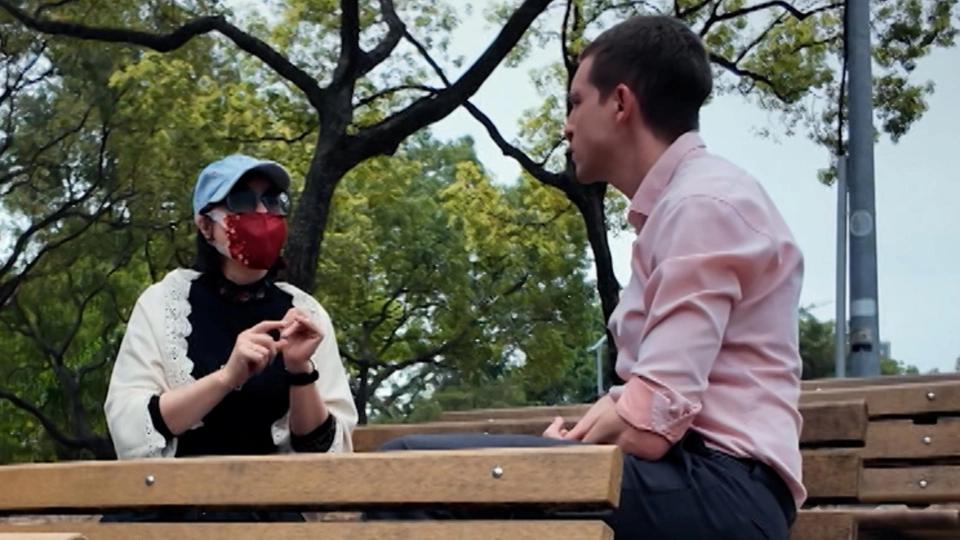 04:11
04:11 02:44
02:44 03:16
03:16 08:37
08:37 02:21
02:21 06:27
06:27 02:21
02:21 04:23
04:23 04:49
04:49 04:29
04:29 05:10
05:10 06:12
06:12 08:59
08:59 04:50
04:50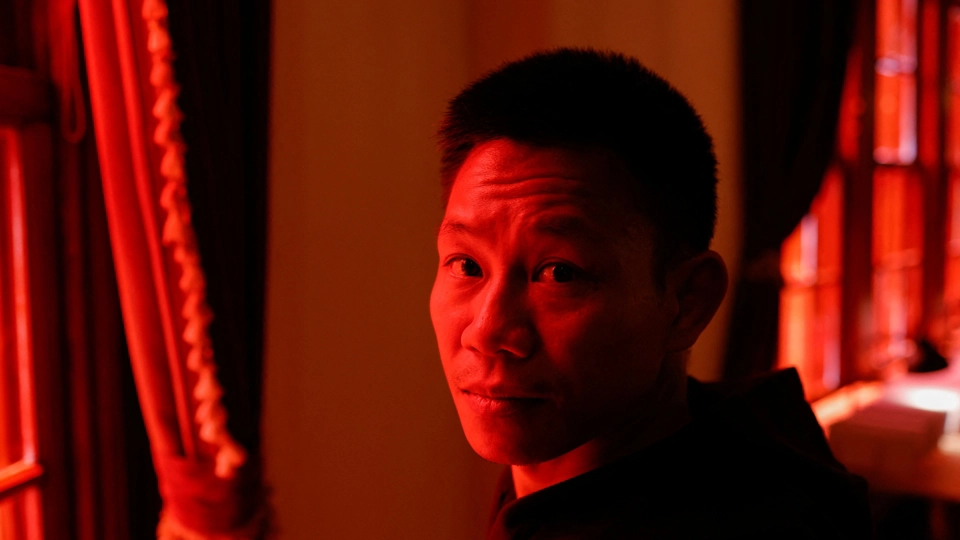 03:16
03:16