Race for Kaohsiung Mayor
Candidates pitch their vision for southern port city
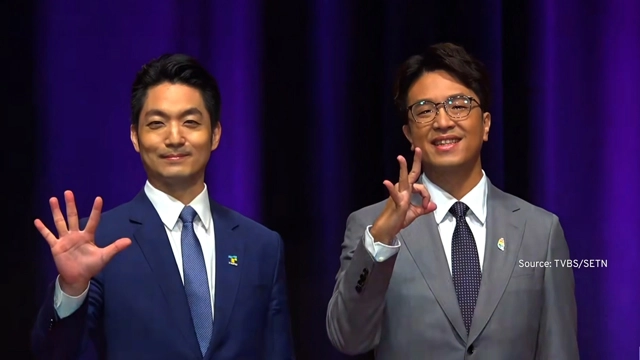
Before the Taipei mayoral debate, candidates for mayor of Kaohsiung also held a debate, laying out their visions for the southern port city.
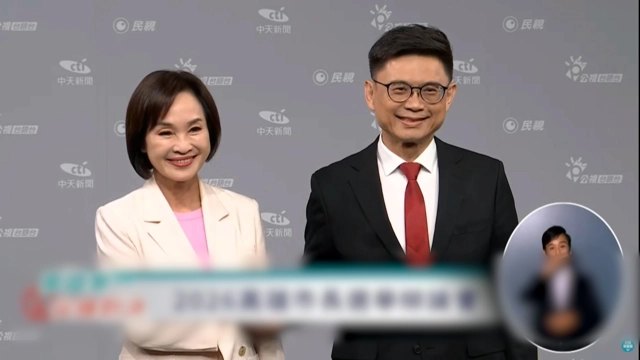
Taiwan is set to elect leaders of cities and counties around the country next month. One of the most closely watched races is the race for mayor of the southern port city of Kaohsiung. Candidates there held their first televised debate on Friday, laying out their vision for the city.
REPORTER:
The first thing I will establish is an anti-bullying office
Second, given the unequal distribution of resources
across Taiwan’s counties and cities
I want to establish an office for regional equality.
[I present] three action plans:
First, I will set up a fund to revitalize traditional industries
Second, I place great importance on a comprehensive plan
for both air and land transportation.
Kaohsiung must become a major international airport.
To achieve this, we must ensure the airport has no curfew.
The Kuomintang candidate Ko Chih-en also announced a plan to turn the site of a former military arsenal into an upmarket business and residential district.
REPORTER:
Speaking second, the Democratic Progressive Party’s Lai Jui-lung highlighted social welfare and plans to encourage people to have children, including a newborn subsidy of around 1,500 US dollars per child. He also spoke about infrastructure projects to support local industry.
REPORTER:
[I make] three key commitments.
First: to make [Kaohsiung] the No. 1 city for industry.
I will press for the development of AI computing centers
semiconductor packaging and testing centers
and a center for developing international talent
and to set up an industrial upgrading fund.
Second, [to make Kaohsiung] the south's main gateway.
We will upgrade the new terminal at Kaohsiung International Airport
while also developing a new 24-hour offshore airport
to establish Kaohsiung as the south's new international gateway.
Third, making Kaohsiung the happiest city to live in.
Both candidates praised incumbent Mayor Chen Chi-mai for developing Kaohsiung’s concert economy. Several top international musical acts have performed in the city in recent years, generating income and creating local job opportunities.
REPORTER:
As Taiwan’s local elections, held every four years, kick off, Kaohsiung held its first mayoral debate on Friday. The Kuomintang candidate spoke first, followed by the Democratic Progressive Party candidate, with both outlining their policy platforms.
REPORTER:
The first thing I will establish is an Anti-Bullying Office
Second, given the unequal distribution of resources
across the counties and cities
I want to establish an [Office for Regional Equality]
As for three action plans
First, I will establish a fund to revitalize traditional industries
Second, I place great importance on a comprehensive plan
for both air and land transportation.
Kaohsiung must become a major international aviation hub.
To achieve this, we must ensure the airport has no curfew.
REPORTER:
Ko pledged to turn the former 205 Arsenal site into a business and residential hub rivaling Taipei’s Xinyi District. DPP candidate Lai later shared his plan for the city.
REPORTER:
Three key commitments, first,
Making [Kaohsiung] the No. 1 city for industry
I will drive the development of AI computing centers
semiconductor packaging and testing centers
and international talent development centers.
will also establish an Industrial Upgrading Fund. Second
[Making Kaohsiung] the South's top leading gateway
To expand international flight routes at Kaohsiung International Airport
while developing a new 24-hour offshore airport
to establish Kaohsiung as the South's new international gateway.
Third, making Kaohsiung the happiest city to live in
REPORTER:
To build a happier city, Lai focused on social welfare, pledging policies including a newborn subsidy of around US$1,530 per child.
Both candidates praised incumbent Mayor Chen and Kaohsiung’s concert economy, while addressing fiscal resources, local factions and economic opportunities.
The debate featured four rounds: opening statements, media questions, cross-examination and closing statements.
 01:33
 01:45
 02:53
 00:44
 02:11
 00:34
 04:37
 02:24
 00:35
 03:03
 00:25
 00:54
 00:30
 03:16
 00:29
 00:27