Analysis: Are Chinese Models of US Ships a Security Threat?
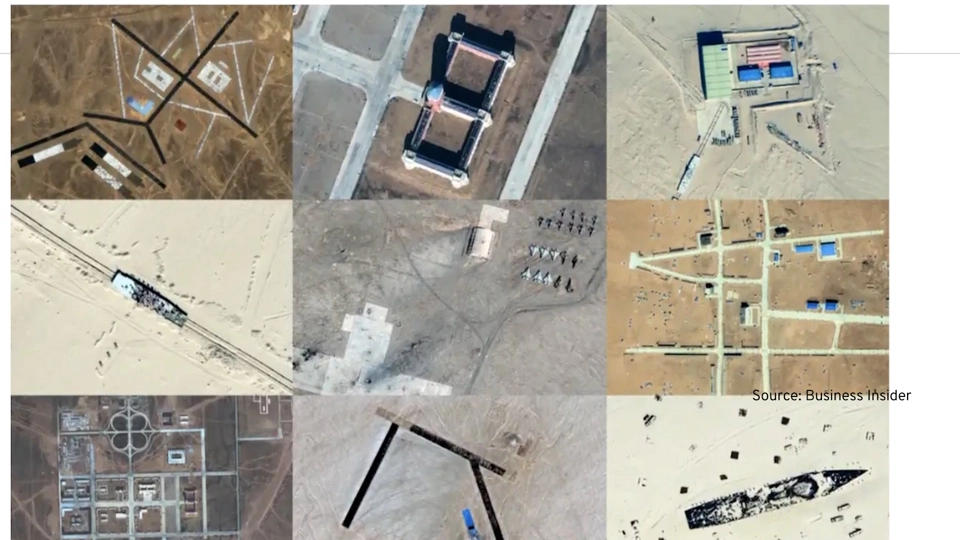
Satellite imagery reveals China is constructing full-scale 3D mockups of US warships and critical targets in its deserts. Former US Senate National Security Advisor Bryce Barros breaks down why the Chinese military has upgraded from 2D outlines to realistic 3D replicas and how these targets impact regional allies.
China Builds Mock Targets
REPORTER:
China's military is reportedly building full-scale replicas of US warships and key buildings in Taiwan to rehearse a potential invasion.
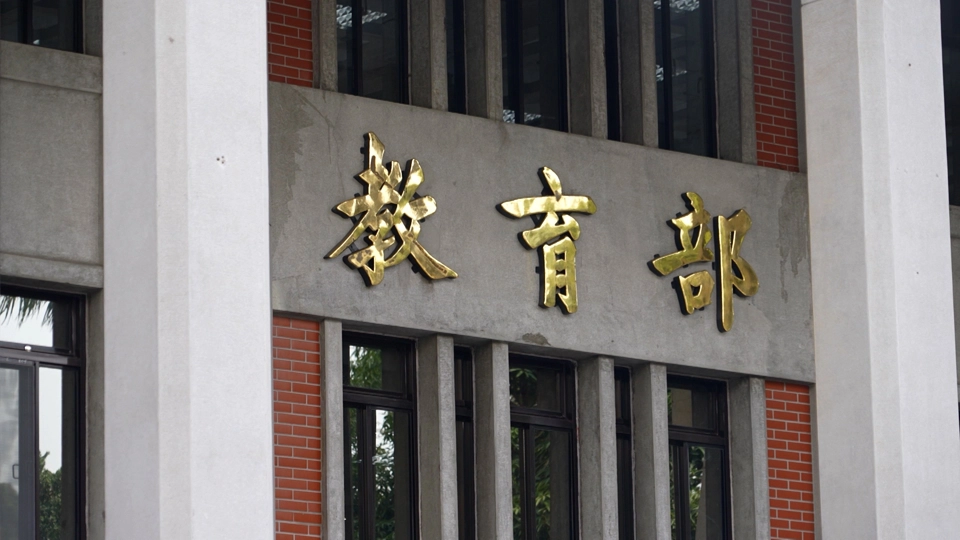
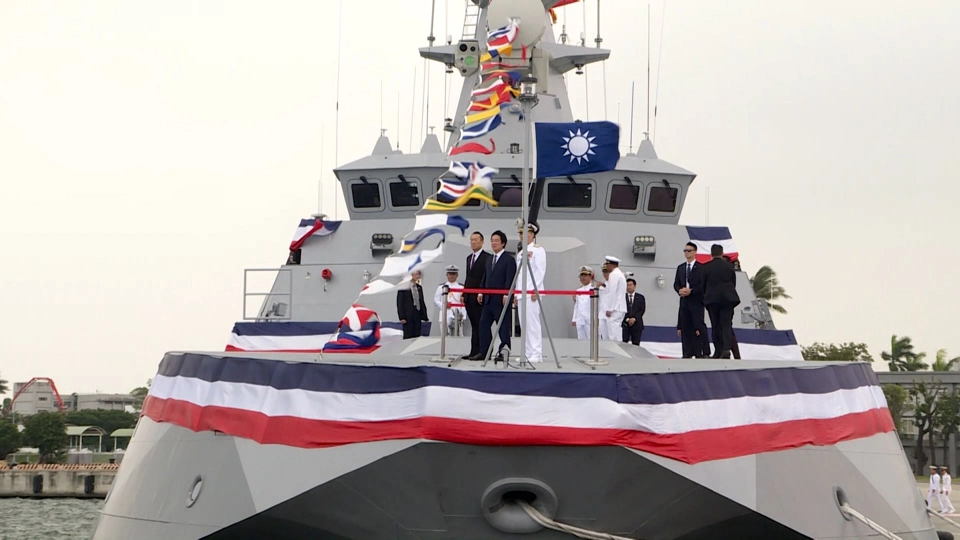
Satellite images analyzed by the Telegraph show mockups of Taiwan’s Presidential Office, US fighter jets and warships, as well as a US naval base in Japan. Analysts say the replicas are being used to test long-range strike capabilities, and rehearse assaults on key Taiwanese government sites. Taiwan's defense ministry says it is aware of the replicas and has contingencies in place against any potential attacks.
---
REPORTER:
The Chinese military has built increasingly intricate mockups of military targets in the region, including Taiwan, as part of preparations for potential strikes.
Citing expert analysis of recent satellite images, The Telegraph reported China built a full-scale mockup of Taiwan’s Presidential Office and the surrounding government zone in Taipei, apparently to rehearse ground assaults on Taiwan’s leadership. Experts also found the China has tested long-range strikes capabilities on dummies of US warships and aircraft, along with a Japanese naval base and other Taiwanese military assets, apparently to test long-range strike capabilities.
How China's 3D Military Replicas Reflect Evolving Strategy
REPORTER:
China used to build flat 2D outlines in the desert, but building these full scale 3D replicas of buildings and destroyers, what does that tell us about how their military tech and their strategy is evolving?
I think it sort of fits into a broader trend of realistic training or as realistic as possible training for the PLA for any sort of contingency. And understanding that they may want to do, you know, sort of like rehearsals on what points of the vessel might be most vulnerable to attack, like having that 3D sort of setup allows for that in a way that a 2D mock up doesn't. And it also sort of prepares troops to understand, okay, this is actually what you're going to be potentially attacking or what have you.
What's really interesting about them using the Arleigh Burke is it is also the sort of basis for similar vessels that are operated by the Japanese maritime Self-Defense force and the Republic of Korea Navy. So there's obviously a US sort of implication for this, but it also has implications for just broader sort of like allied responses to any sort of contingency in the region.
REPORTER:
These sites in Xinjiang and Mongolia, they're fully visible to commercial satellites. So is this purely a testing ground or is Beijing intentionally sending a deterrent signal to Washington and Taipei and maybe other folks in the region?
Yeah, there's definitely an element of that. Right. So the way that the United States I want to emphasize this is how Americans define deterrence within the Department of Defense is the three C's right? So capabilities credibility and communication. This would fit into the last part of that, right.