Military Spending Divides Taiwan's Legislature
REPORTER:
A special defense budget passed on Friday has divided opinions across party lines. There’s still disagreement over how much money ought to have been set aside — and some concerns over what the budget covers and how it operates. Despite the politics, its passage comes at a key moment for Taiwan.
REPORTER:
The legislature has spoken: On Friday, it approved nearly $25 billion US dollars in special defense spending. But two days on, political wrangling — and from some, concern — have not abated.
REPORTER:
The opposition-backed budget falls far short of what the ruling Democratic Progressive Party, or DPP, had wanted.
REPORTER:
Slashing funding by 40% is a huge blow to opportunities whether modernizing and raising our defense capabilities, cooperating with the US, or developing Taiwan’s defense industry.
REPORTER:
And the military is unhappy too, specifically about what the budget doesn’t cover.
REPORTER:
Totally excluding commercial and contract purchases harms the comprehensiveness of defense and military planning and could lead to gaps in combat capabilities.
REPORTER:
The opposition, though, says this is nothing to worry about. It says funding for those things will come through other channels.
REPORTER:
We explicitly stated in the voted-on addendum that it should appear in the 2027 regular budget. So, these items haven’t been cut. They’ve just been put back into the regular budget.
REPORTER:
But that’s only the start of the disagreement over this budget. The president is concerned about another detail. The passed bill includes a review and approval process that says the Executive Yuan must submit a special report within a month before the money can be allocated for certain weapons purchases. But this all adds up to time Taiwan doesn’t have, with a bill for one such weapons system — the HIMARS rocket system — due May 31.
REPORTER:
You might end up with a budget you can see but not use. This means setting up another hurdle. It’s not a normal budget review process.
REPORTER:
All of this, from disputes on how much to spend, to concerns about what the budget covers and how it works — comes at a sensitive time. US President Donald Trump is less than a week away from meeting with Chinese President Xi Jinping. It’s Taiwan’s security guarantor, the US, in the same room with China, which has vowed to take Taiwan, even by force.
REPORTER:
Analysts say that the budget’s passage ahead of the meeting means that Taiwan is at least not losing ground. But they warn that Taiwan will eventually need to do more for its security.
REPORTER:
In terms of defense autonomy we still need annual budgets strengthened in the future, especially on the Taiwan Shield, 220,000 domestically made aerial drones, and over 1,000 drone boats. All this is equipment that will be essential in future warfare.
REPORTER:
The US State Department has voiced its approval for the budget’s passage, but says that delayed payments for weapons in the future will be a concession from Taiwan to China.
 02:40
02:40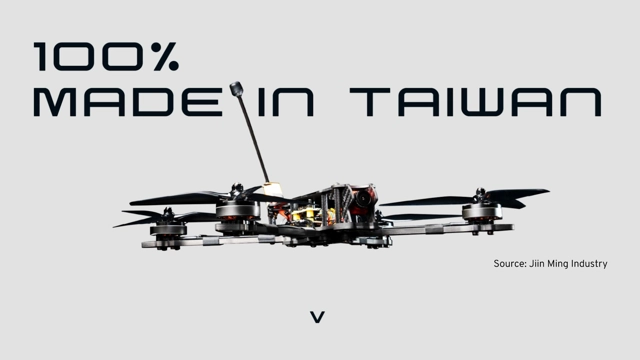 00:41
00:41 02:25
02:25 00:47
00:47 03:16
03:16 00:37
00:37 00:29
00:29 02:13
02:13 00:54
00:54 01:29
01:29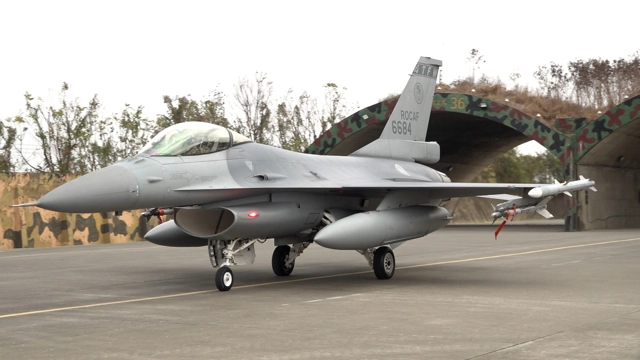 00:43
00:43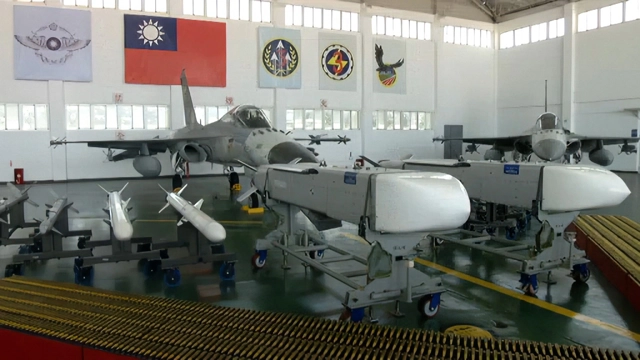 00:53
00:53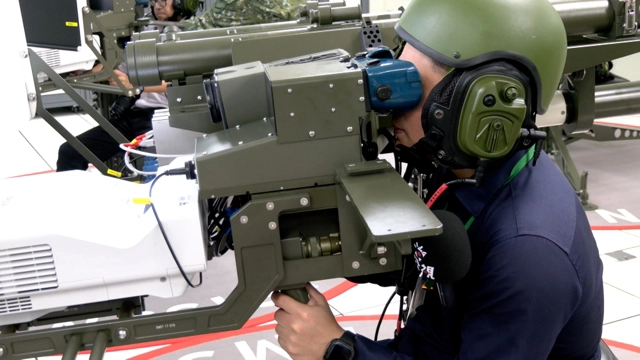 00:44
00:44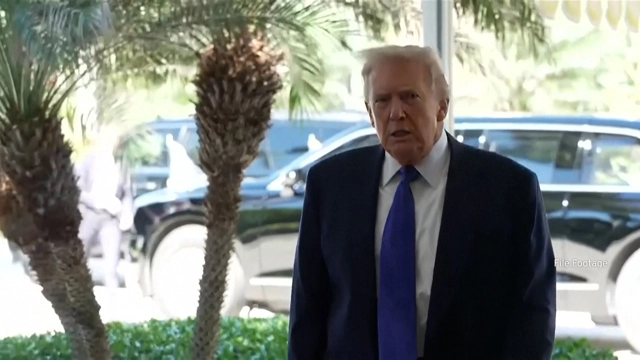 00:29
00:29 02:09
02:09 00:26
00:26