TAIWANPLUS REPORTER
The US House Appropriations Committee has passed its 2027 National Security spending bill, which includes $500 million US dollars in military aid for Taiwan.
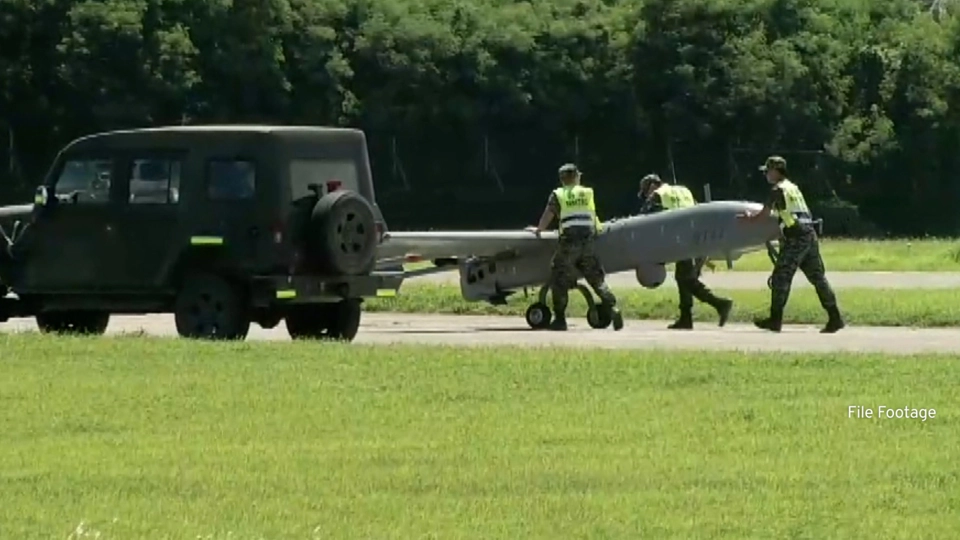
The funds would go to Taiwan under the Foreign Military Financing Program, which would pave the way for more arms sales, services and training. But in Taiwan, President Lai Ching-te's administration and the opposition-controlled legislature have been unable to agree to a special defense bill.
Lai Ching-te, TAIWAN PRESIDENT
To provide the greatest support for the country’s armed forces
the Cabinet put forward an eight-year
[US$40 billion] special defense budget proposal.
This key plan will comprehensively enhance
national defense capabilities.
We look forward to seeing the legislature
support the full proposal
and ensure the special budget is used
to further strengthen national security.
TAIWANPLUS REPORTER
The main opposition Kuomintang proposed an alternative bill for $11 billion US dollars, funding only US arms deals that were previously agreed upon. The party says it is committed to funding Taiwan’s defense, but won’t write the government a blank check. Lawmakers are still negotiating, looking to find a middle ground.
Cheng Li-wun, CHAIR, KMT
This is the outcome of our careful consideration.
It is the most effective way
to complete arms purchases from the US
protect Taiwan, safeguard taxpayers
uphold fiscal discipline
and it is absolutely the most responsible approach.
TAIWANPLUS REPORTER
The political deadlock around the bill has led to concerns from US officials and lawmakers. On Monday, the top American diplomat in Taiwan said the bill was “essential” for Taiwan to upgrade its defenses and signal to the international community that the country is committed to its own security.
Further deadlock could lead to Taiwan slipping down the pecking order for US arms deals and to even more delays in the delivery of weapons systems. All this while China continues to engage in grey-zone harassment, hostile actions that do not rise to the level of open conflict.
The US bill still has to be approved by the full House of Representatives, then the Senate, then signed into law by the president. Here in Taipei, if cross-party negotiations do not succeed, the competing proposals will be put to a vote as early as next month. Both Taipei and Washington will be keeping a close eye on how things play out.
Yuan Tuan and Lery Hiciano, for TaiwanPlus.
 04:02
04:02 02:33
02:33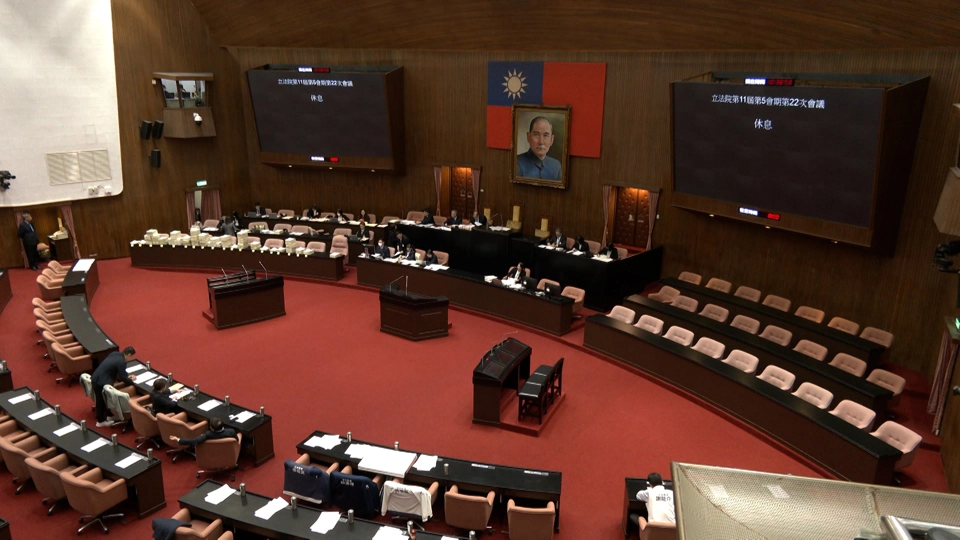 00:44
00:44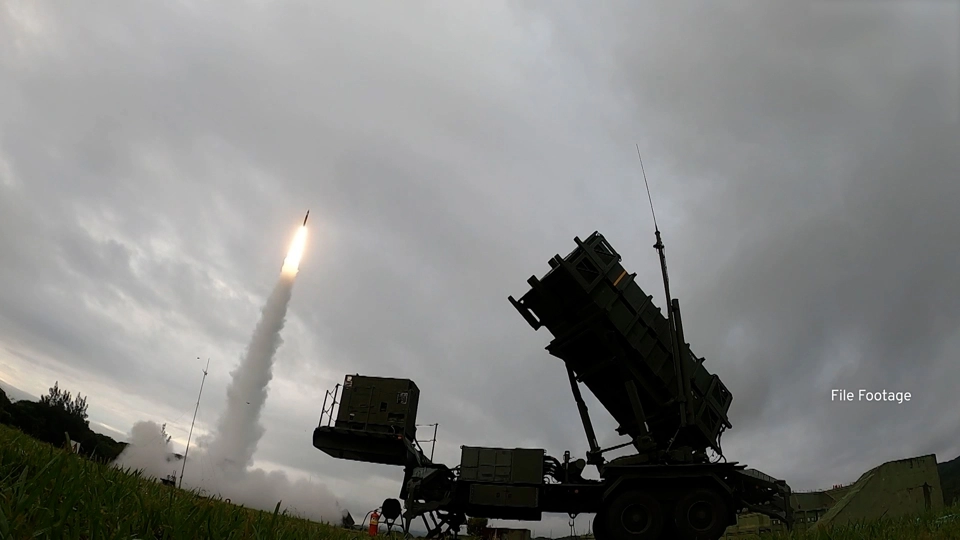 02:56
02:56 04:54
04:54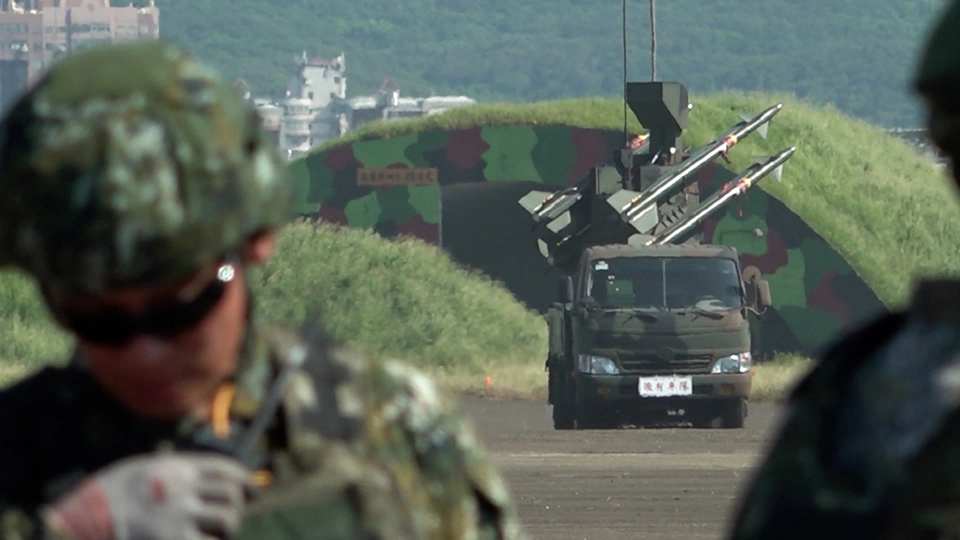 03:19
03:19 00:34
00:34 01:56
01:56 00:34
00:34 00:31
00:31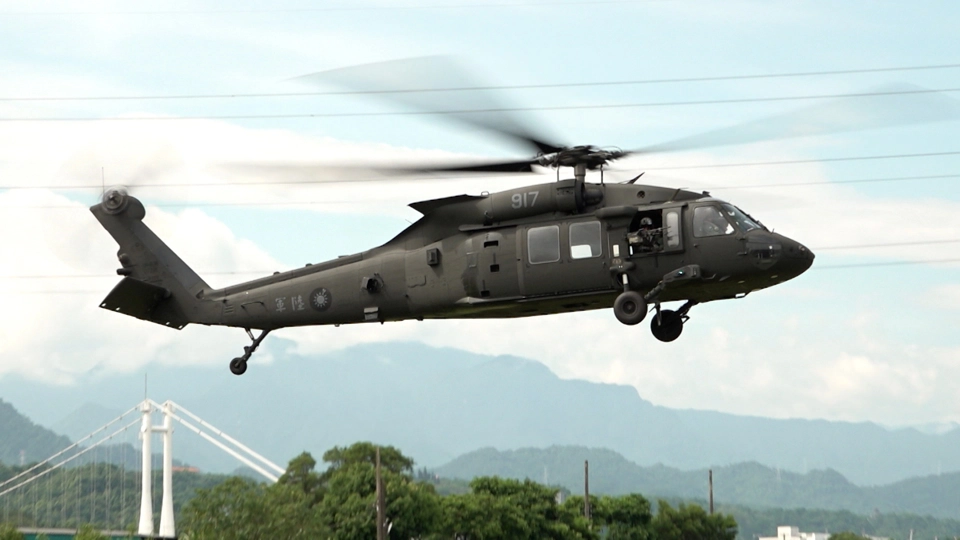 02:38
02:38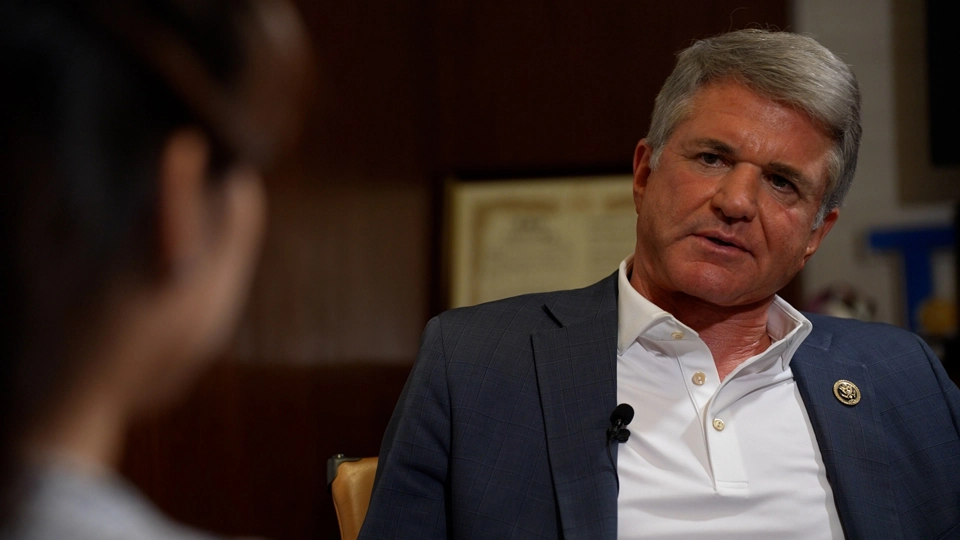 07:10
07:10 00:36
00:36 00:35
00:35 00:31
00:31 02:36
02:36