Special Defense Budget Debate Divides Taiwan Opposition
REPORTER:
$11 billion or $25 billion US dollars. That’s the widening gap within Taiwan’s main opposition party. Lawmakers from the Kuomintang are split on how much the country should spend on defense, with competing proposals exposing deep divisions. The dispute escalated after a senior KMT official threatened to expel Legislative Speaker Han Kuo-yu from the party if he backs a larger defense bill.
Jaw Shaw-kong (KMT MEMBER):
What you said today undermines party unity.
Are you still qualified to serve as party vice chair?
REPORTER:
The KMT has put forward a roughly $11 billion “+N” proposal, allowing for further defense spending on US weapons if the government secures letters of offer and acceptance. But some within the party have pushed for more spending, in the range of $25 to $30 billion US dollars, and closer to the ruling party’s proposal of $40 billion.
Lai Shyh-bao (LEGISLATOR, KMT):
With [local] elections coming up at the end of the year
particularly the races for city and county leaders
earmarking a budget of around [US$25 billion]
would make it easier for them to explain to voters.
REPORTER:
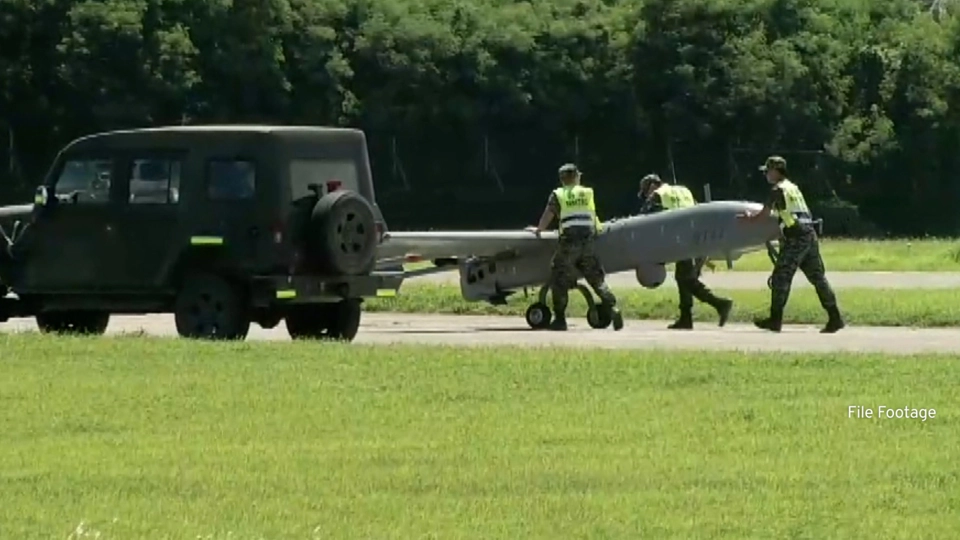
KMT officials say the party will vote on a final figure, but they have yet to reach a consensus. Meanwhile, defense officials say the full special budget is needed to properly defend Taiwan, which China claims as its own and has threatened to take by force.
Hsu Szu-chien (DEPUTY DEFENSE MINISTER):
This is related to our assessment of the threat.
As you can see
many new weapons are about to arrive
but if the [supporting equipment] doesn’t keep up
then what use are those weapons?
If you put it into the annual budget
it will be very slow.
Those weapons would just sit there
unable to hit anything.
REPORTER:
Cross-party negotiations will continue next week, but if lawmakers fail to come together on a proposal, competing bills could go to a vote. And ahead of local elections later this year, this could be an issue that voters bring to the polls.
 04:02
04:02 00:31
00:31 02:54
02:54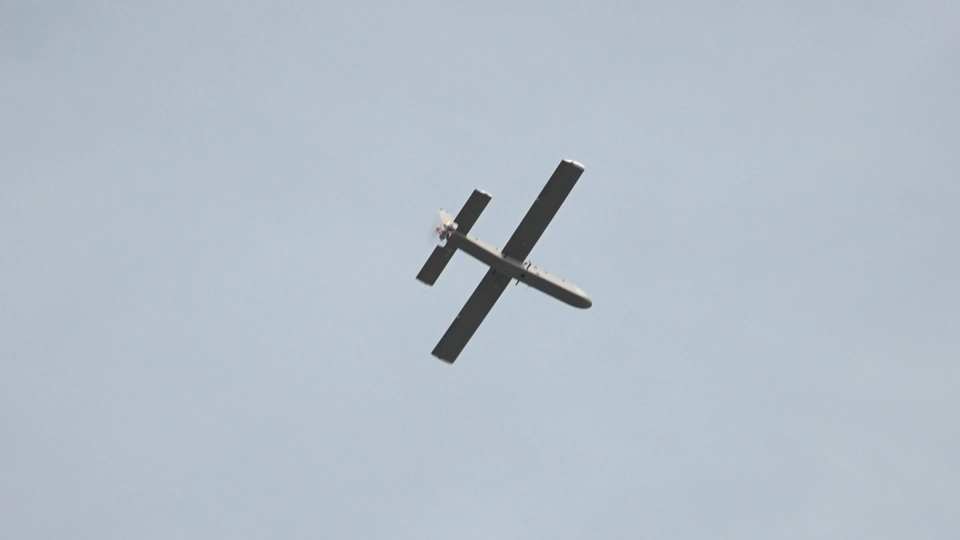 02:33
02:33 04:03
04:03 03:00
03:00 00:26
00:26 00:35
00:35 03:03
03:03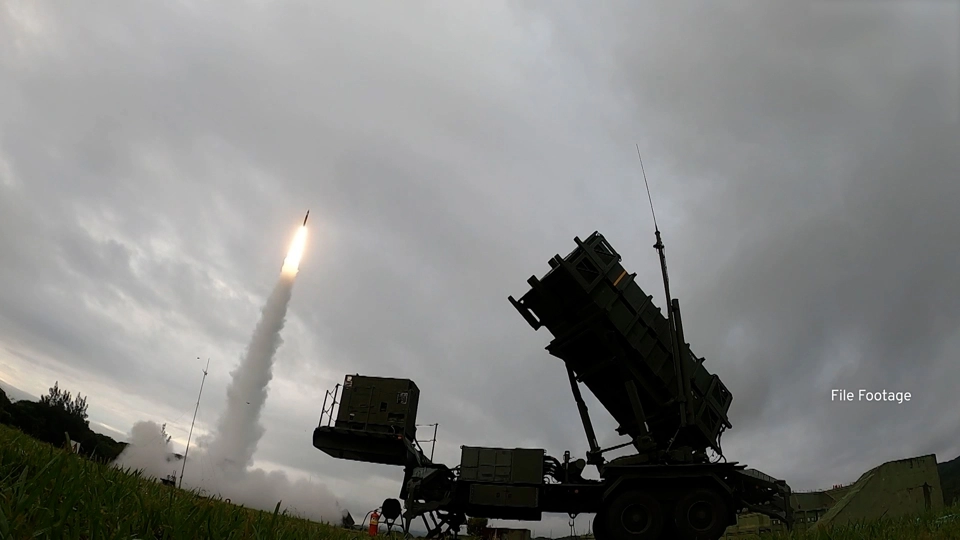 02:56
02:56 00:27
00:27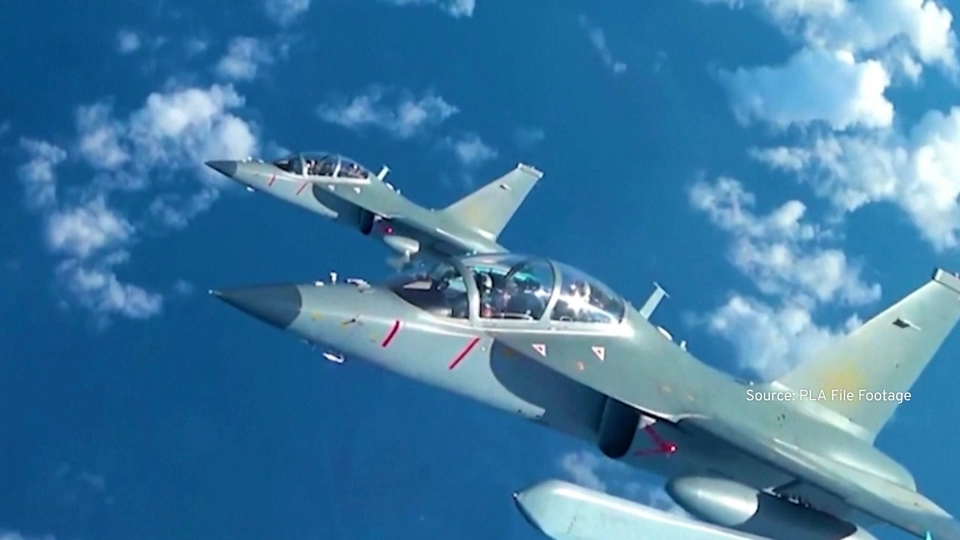 00:26
00:26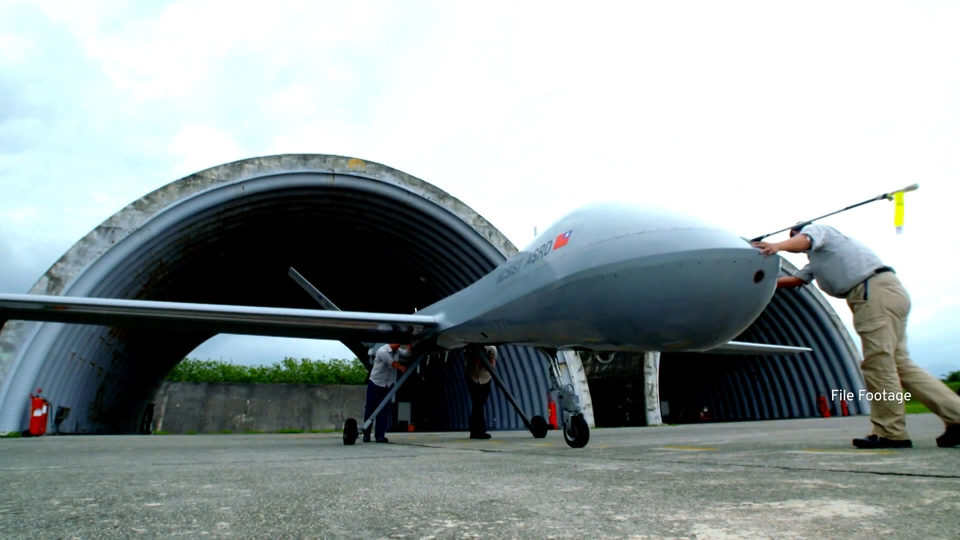 00:33
00:33 03:21
03:21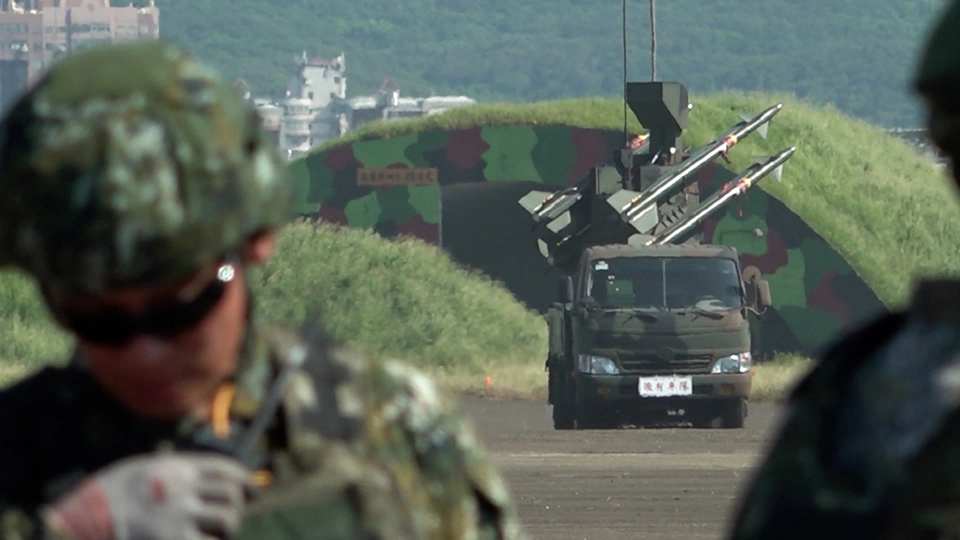 03:19
03:19 03:23
03:23