* This AI-generated summary is based on reporting by TaiwanPlus and verified by newsroom fact checkers. Learn more about our policy here.
Taiwan’s Missing Weapons: A Deep Dive into Delays and Geopolitics
As the U.S. presidential election approaches, the stakes are high—not just for American voters, but for Taiwan. The island nation, which relies heavily on U.S. military support, is facing a significant backlog of arms deliveries. Currently, more than $19 billion worth of military systems remain undelivered, raising pressing questions about Taiwan's defense readiness amid rising tensions with China.
Taiwan's relationship with the U.S. concerning military aid dates back decades, based on a legal commitment by Washington to support Taipei’s defense. However, since 2019, nearly all major weapon systems ordered by Taiwan have been stalled. Among these, a deal for 66 F-16 fighter jets signed in 2019 has yet to see any deliveries, much to the concern of Taiwanese officials and defense analysts alike.
Jaime Ocon of TaiwanPlus traveled to the U.S. to attend the Taiwan Defense Industry Conference, aiming to uncover the reasons behind the delays. The conference gathered representatives from both the U.S. and Taiwanese defense sectors, offering a rare opportunity for dialogue on pressing issues.
At the conference, Taiwan’s Vice Defense Minister, Gen. Hsu Yen-pu, acknowledged that the COVID-19 pandemic has severely disrupted supply chains, impacting the production and delivery timelines of critical military equipment. He expressed hope that the U.S. government and manufacturers like Lockheed Martin would expedite the process, aiming for deliveries before 2026.
However, this delay of three years is troubling for Taiwan. With U.S. intelligence predicting a potential Chinese capability to take Taiwan by force as early as 2027, the urgency of receiving military support cannot be overstated.
The backlog of arms deliveries is compounded by bureaucratic hurdles in the U.S. defense industry. Rupert Hammond-Chambers, president of the U.S.-Taiwan Business Council, emphasized that the intricate nature of weapons manufacturing—often taking five to six years from contract to delivery—creates significant delays. Unexpected events can further derail timelines, making the production of arms a complex and often frustrating process.
In Washington, lawmakers have urged faster action on arms sales to Taiwan. Yet analysts argue that the bottlenecks are primarily linked to the producers rather than bureaucratic inefficiencies. Eric Gomez from the Cato Institute noted that the scale of undelivered arms is alarming, equating it to Taiwan’s annual defense budget. Some orders dating back to 2015 remain unfulfilled, raising serious concerns about prioritization within the U.S. defense agenda.
The ongoing delays have sparked critical discussions about U.S. foreign policy and its commitment to Taiwan's defense. With the global geopolitical landscape shifting—exemplified by conflicts in Ukraine and the Middle East—the question arises: Is Taiwan receiving the priority it needs? Gomez pointed out that with multiple global crises, the perception of neglect towards Taiwan is growing.
Despite assurances from defense officials that the backlog could be cleared within 12 to 18 months, the pressing threat from China looms large. The inability of either the U.S. or Taiwanese governments to expedite production underscores a crucial vulnerability for Taiwan.
As Taiwan awaits its missing weapons, the situation serves as a stark reminder of the complexities involved in international defense relationships. The delays are not just logistical; they represent broader geopolitical dynamics that could shape the future of U.S.-Taiwan relations. In the face of mounting pressures, both Taiwan and the U.S. must navigate these challenges carefully to ensure that Taiwan's defense needs are met in a timely manner. The clock is ticking, and for Taiwan, time may not be on its side.
 04:02
04:02 00:31
00:31 02:54
02:54 02:33
02:33 04:03
04:03 03:00
03:00 00:26
00:26 00:35
00:35 03:03
03:03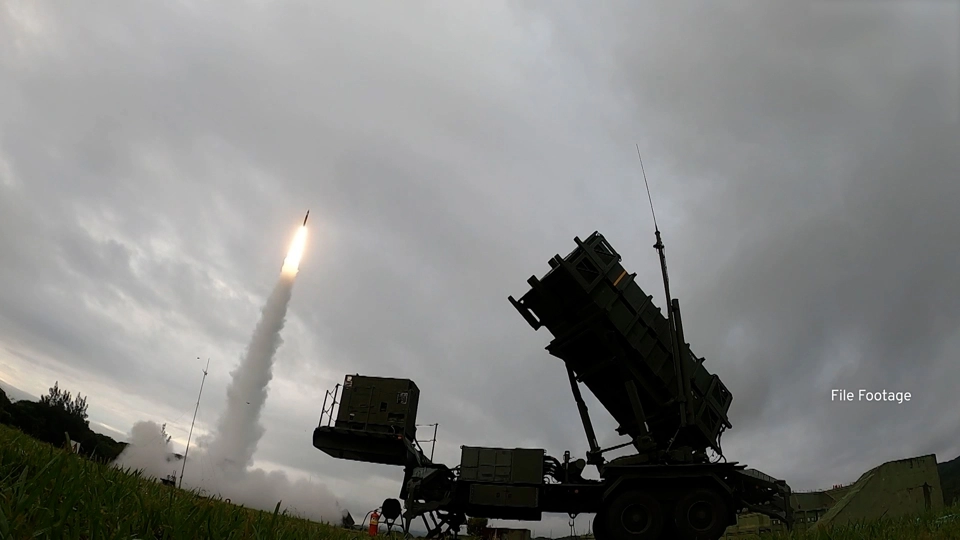 02:56
02:56 00:27
00:27 00:26
00:26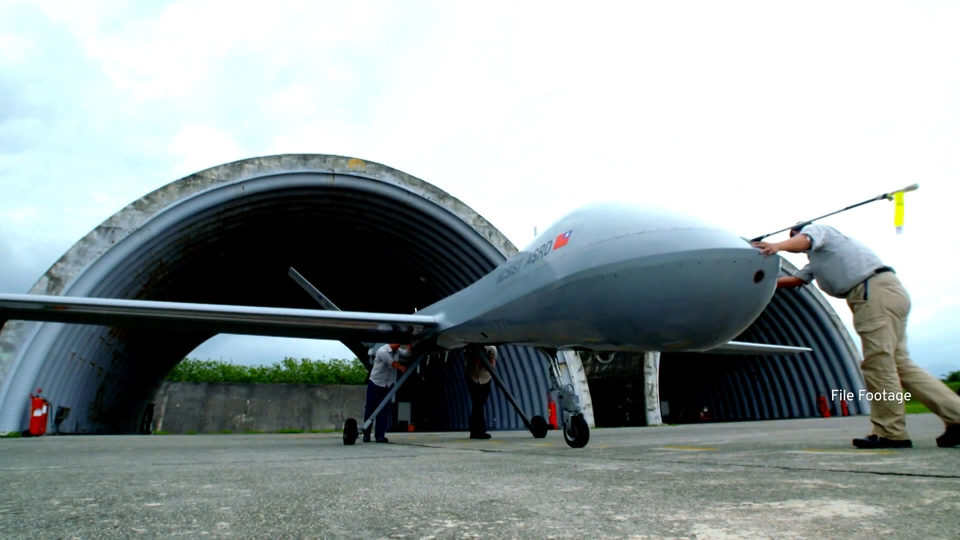 00:33
00:33 03:21
03:21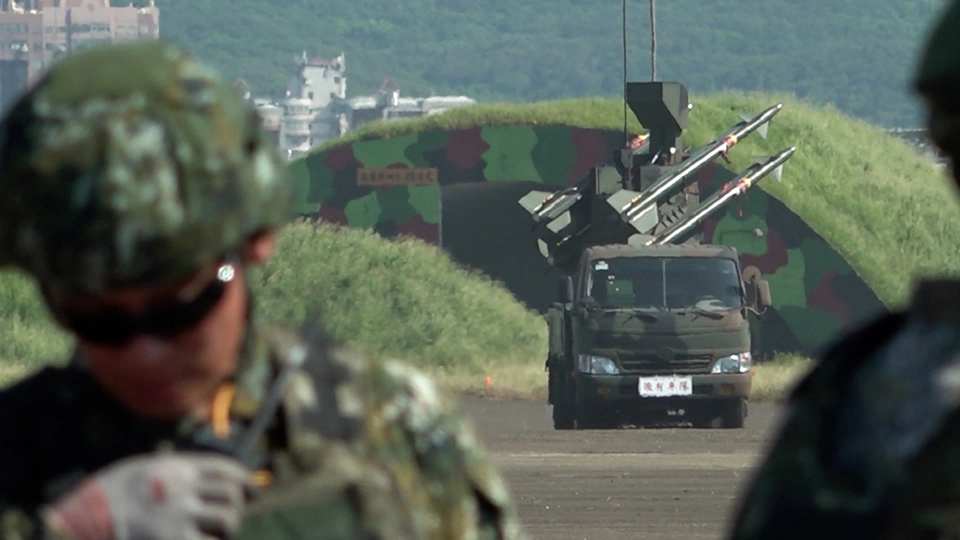 03:19
03:19 03:23
03:23