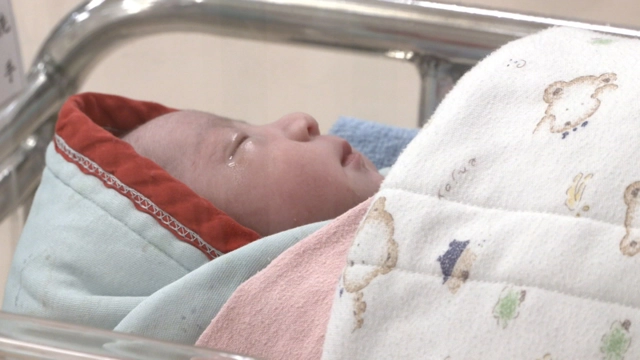
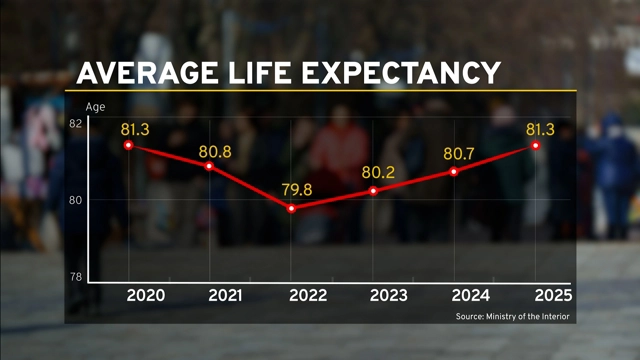
Taiwan is rapidly aging. The country officially became a super-aged society last year, with a fifth of the population aged 65 or older. Taiwan already had one of the world’s lowest birth rates, and its population has been steadily shrinking.
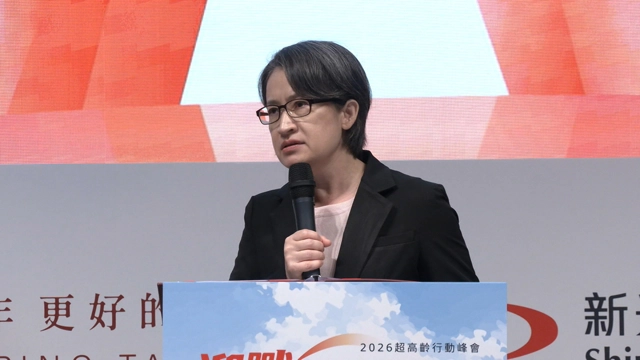
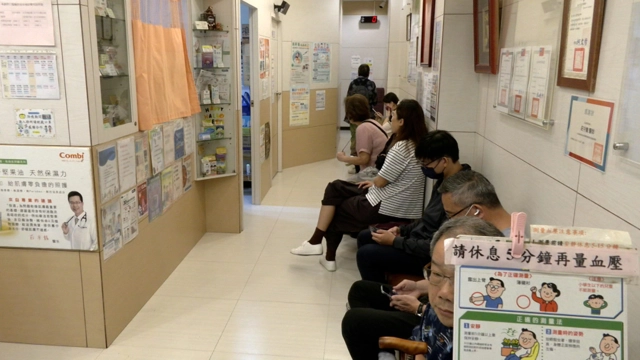
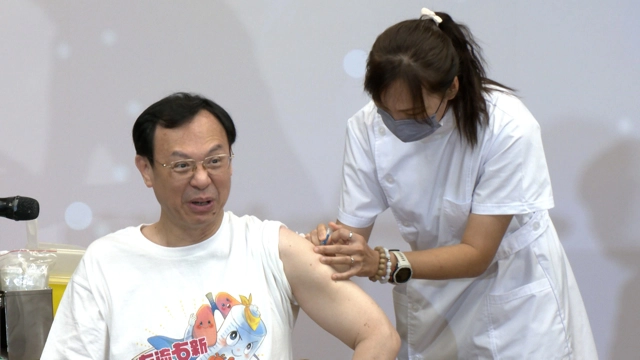
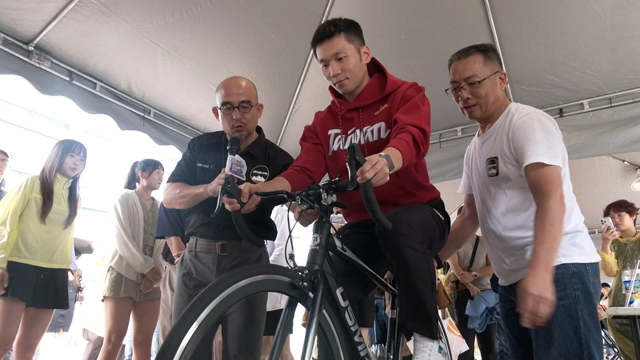
The government has held a forum to discuss the issue. Vice President Bi-khim Hsiao said the goal is not just for people to live longer, but to help them stay independent and live with dignity. The government’s push focuses on early detection of declines in cognition, mobility and hearing before they lead to disability.
BI-KHIM HSIAO, TAIWAN VICE PRESIDENT:
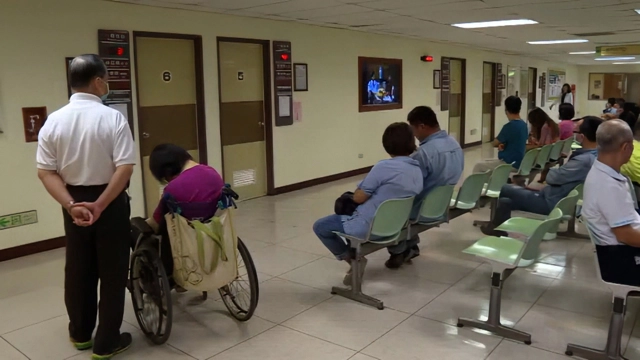
"Through the dedicated efforts of local clinics and doctors we have expanded screening programs and safety nets. Across the country the government has established many community care centers. These centers support older adults and provide a warm place where they never feel alone."
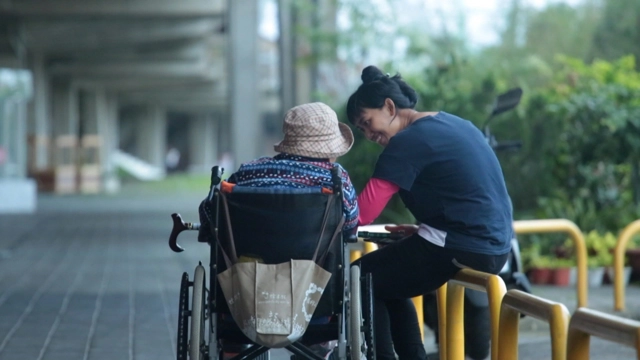
The issue doesn't only affect older people. The younger generation is shrinking, and the pressure on them is growing. Easing that load now falls partly to older adults themselves, now more important than ever.
LEE LUNG-TENG, FMR. HEALTH OFFICIAL:
"Young people are already struggling to take care of themselves let alone care for older family members. That's why older adults should prepare early and understand what they will need as they age. They should prepare physically financially, and in terms of their health."
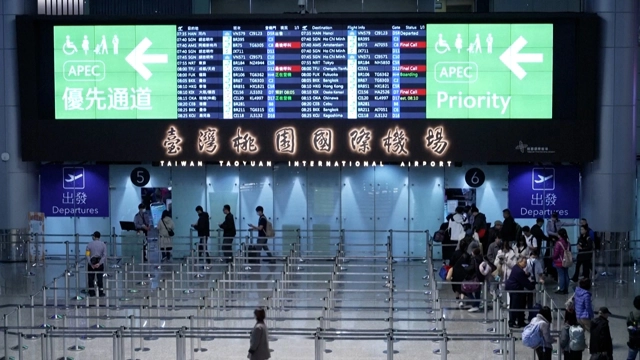
Employers are also looking into new opportunities for the older workforce. This comes as the labor ministry has launched a re-employment incentive program providing up to 1,800 US dollars in subsidies for middle-aged and older people who return to the workforce. The goal is to build age-friendly workplaces across the country.
CONNIE CHEN, CHIEF HUMAN RESOURCES OFFICER, DELOITTE TAIWAN:
"How can we bring this workforce back into the labor market so they can contribute more and make better use [of their experience]? I think this is a very important issue. We hope for greater flexibility at work so that people at every stage of life can better plan their lives at different ages and continue participating in the workforce."
Resilience is a word Taiwan usually applies to the threat from China. Vice President Hsiao said it applies here too. She said how Taiwan plans for aging today will determine its resilience, and the quality of life for the generations to come.
Dolphine Chen and Ted Chen for TaiwanPlus.
 02:36
 02:31
 02:28
 00:34
 01:37
 02:25
 01:51
 01:20
 01:10
 02:02
 00:32
 00:30
 00:30
 00:25
 00:35
 00:34