Taiwan’s Stock Market Hype
REPORTER:
Taiwan’s financial regulators are stepping up monitoring amid the recent stock rally.
REPORTER:
The Financial Supervisory Commission or FSC is tightening oversight of bank lending as recent stock gains fuel concerns over rising leverage.
REPORTER:
Regulators are watching borrowing channels for signs of excessive debt-taking. This includes mortgage top-ups, housing-backed loans, personal loans and margin financing.
REPORTER:
The FSC says it may conduct inspections if credit risks increase.
Market Rally and Risks of Leveraged Investing in Taiwan
REPORTER:
Could you briefly walk us through the recent market hype that has prompted more Taiwanese investors to take on leverage through multiple borrowing channels?
Dachrahn Wu (ECONOMICS PROFESSOR, NATIONAL CENTRAL UNIVERSITY):
The primary driver remains the AI investment boom and the epicenter of that boom is, of course, the US.
To support that boom, the chips, servers and data centers required for AI development are largely manufactured in Taiwan.
AI-related stocks, particularly TSMC have been major beneficiaries of this trend.
Taiwan’s record-high exports have translated into strong revenue and profit growth pushing those businesses’ share prices higher. TSMC as the mainstay of the market has helped lift the broader market with many other AI-related firms’ shares rising in tandem.
Everyone sees the stock market continue to climb and want to find a way to buy in. Those who lack sufficient cash often turn to borrowing to increase their investment capital. There are several ways to do this from taking out loans against stock holdings to using real estate as collateral for bank financing. The borrowed funds can then be channeled into the stock market allowing investors to amplify their exposure to the rally.
REPORTER:
Why are the Financial Supervisory Commission (FSC) and the central bank raising concerns now?
Dachrahn Wu (ECONOMICS PROFESSOR, NATIONAL CENTRAL UNIVERSITY):
The scale of trading in Taiwan's stock market has expanded dramatically. Daily turnover, which used to range from US$10 billion to US$15 billion has now climbed above US$30 billion and has even topped US$47 billion on some recent trading days. Where is all this money coming from? A considerable amount of it is borrowed capital flowing into the market.
As for this issue of an overheated stock market, if the situation gets out of hand and the scale becomes too large these regulations are aimed at preventing the buildup of excessive financial risks if the stock market experiences a significant correction in the future. By stepping in before any problems occur, they are trying to put controls in place and manage potential risks early.
REPORTER:
What risks could Taiwan's economy and financial system face if the rally continues and more people borrow to invest in stocks?
Dachrahn Wu (ECONOMICS PROFESSOR, NATIONAL CENTRAL UNIVERSITY):
The fundamental driver behind this wave of gains in Taiwan's stock market has been the AI investment boom in the US.
If these technology companies are unable to generate more revenue from consumers they may eventually slow down their investment in AI.
When the stock market enters a correction retail investors typically do not have the same level of expertise as institutional investors to accurately assess market movements. Given the enormous scale of day trading activity, even if problems arise, the National Development Fund with a size of around US$15 billion may not be enough to absorb the impact.
Once the market starts to fall, retail investors who have used stock-backed financing could face direct financial losses. And if they have taken out loans by using their homes as collateral, suffering significant losses, they may no longer be able to repay those loans. All of this could create financial and wealth-related pressure for many households.
 02:02
02:02 00:36
00:36 00:57
00:57 02:03
02:03 00:26
00:26 00:35
00:35 00:27
00:27 02:16
02:16 02:16
02:16 02:53
02:53 00:33
00:33 01:43
01:43 00:31
00:31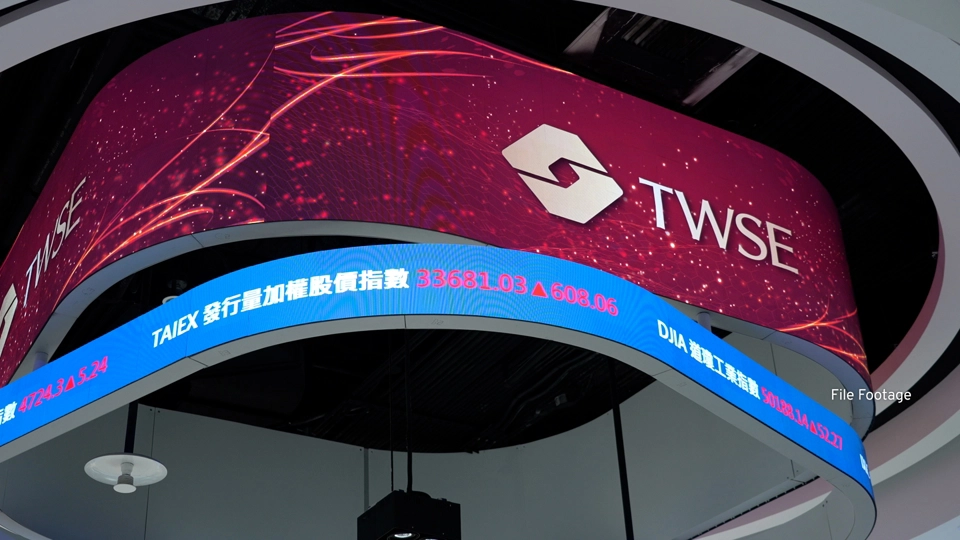 00:50
00:50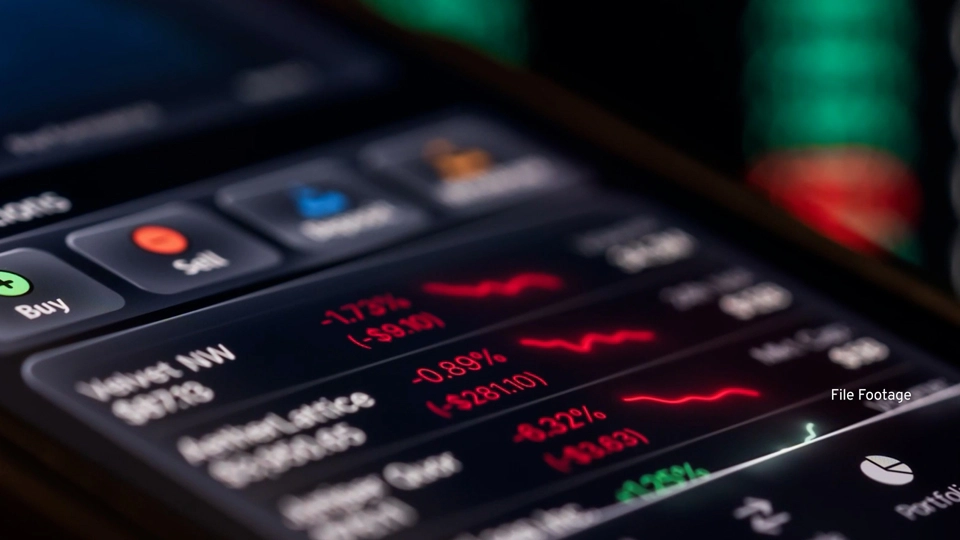 00:32
00:32 04:46
04:46