Chornobyl Disaster: 40 Years On
REPORTER:
A crowd lays flowers at a Kyiv memorial to the Chornobyl Nuclear disaster, 40 years ago Sunday.
REPORTER:
Some people here, like Valerii Repeta, worked at the Chornobyl plant and were there the night it exploded with a series of blasts after a botched safety test when safety rules were ignored. It’s a night that’s stayed with him.
REPORTER:
Radioactivity spread over Europe and beyond. In addition to the 31 workers and firefighters who died on the scene, an unknown number, perhaps thousands have since died from radiation-related illnesses.
REPORTER:
And nearby residents were evacuated, never to return home. For them, that painful experience is a lesson not forgotten — when it comes to nuclear plants in this part of the world, vigilance is key.
REPORTER:
But that isn’t easy. For four years, it’s been nothing but war. Russia, the successor of the now-collapsed USSR, hasn’t stopped attacks on the now-independent Ukraine, the country where Chornobyl now lies.
REPORTER:
Russia has attacked Ukraine’s infrastructure, and Kyiv says this includes a 2025 drone attack that threatened to rip into a protective arc covering the plant’s most dangerous section. It had to be patched up — a near-disaster averted. And the 2,000-plus strong crew still working at Chornobyl say as the war drags into its fifth year, the plant is still far from in the clear.
REPORTER:
And should the war continue — as it may well — it could complicate plans to repair the protective arc. And to keep the structure functional, work needs to start soon.
REPORTER:
40 years on, even in greatly changed times, the Chornobyl Disaster is still very much a part of the present for Ukraine.
 02:15
02:15 03:07
03:07 03:23
03:23 03:25
03:25 03:23
03:23 02:42
02:42 02:54
02:54 02:56
02:56 03:24
03:24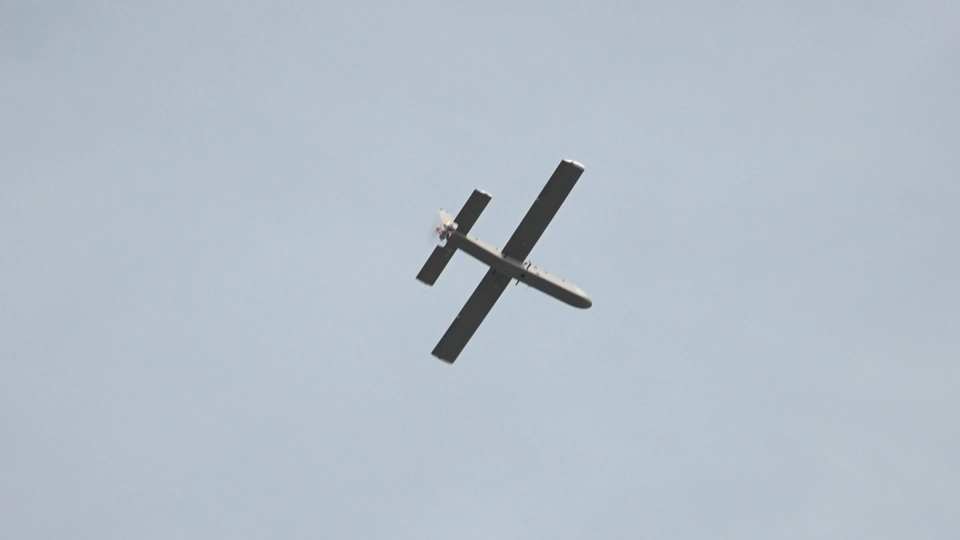 02:33
02:33 00:27
00:27 00:30
00:30 02:36
02:36 00:33
00:33 02:50
02:50 03:09
03:09