Hope for Peace Between Israel and Lebanon
REPORTER:
Smoke rises over southern Lebanon Thursday. Despite a ceasefire, forces from neighboring Israel are still fighting with its enemy there, Iran-backed militia Hezbollah. It's not just combatants who have died in the continued violence.
Thousands of mourners follow the coffin of Lebanese journalist Amal Khalil, killed in an Israeli strike while reporting.
Yet in Washington, officials haven’t given up on peace. US President Donald Trump has announced a three-week extension of the ceasefire after meeting with ranking Israeli and Lebanese envoys. He says he'll meet the leaders of both countries soon—saying they share an opposition to Hezbollah.
Donald Trump (US PRESIDENT):
You look at Hezbollah, that's where everybody seems to be united against them. So they are both very united in that way. And I think there's a very good chance of having peace. I think it should be an easy one relative to some of the things we're working on, it should be an easy one.
REPORTER:
Even getting the two countries’ envoys in the same room—as the US has now done twice—is a diplomatic achievement. They’ve technically been at war since Israel’s creation—and have clashed multiple times over the decades. But moving the dialogue forward might not be so easy.
Hezbollah has been around since the 1980’s and says it has a right to resist—potentially undermining talks. The high civilian death toll and displacement from Israel’s invasion is also making peace difficult.
And among people on both sides of the tense border, a deep sense of ambivalence.
In Lebanon’s capital Beirut, some are weary of regular wars...
Housam Halabi (RESIDENT):
I request that we reach a deal because there is no solution [without talks]. It is taking too long, but ultimately there will be peace.
REPORTER:
...while others think the fighting has gone far past the point where the two sides can set aside differences and form a relationship.
Mohammad Abu Ghadi (RESIDENT):
I do not think normalization is the solution with a country that has killed our sons and our people. I think there is something better than this.
REPORTER:
It’s a similar story in Israel, where Hezbollah strikes regularly hit northern areas. Even those who prefer peace say the group must go first...
Matan Maolem (RESIDENT):
We do not want to be hostile with the state of Lebanon; we have no hostility toward them. I think there are, undoubtedly, wonderful people there, people who seek peace, just as we seek peace. Hezbollah needs to be eliminated once and for all.
REPORTER:
...while others are unsure about even the idea of neighborly ties.
Pnina Erez (RESIDENT):
I don't really believe in peace with Lebanon because Hezbollah's there. They keep multiplying, they get killed, but they multiply, and I would be willing to be optimistic and hope there will be peace. Let's hope, hope for the best.
REPORTER:
The ceasefire has greatly reduced the violence. But Trump now has the delicate task of mending fences that have been broken since the start—and overcoming generations of hate and mistrust.
 02:15
02:15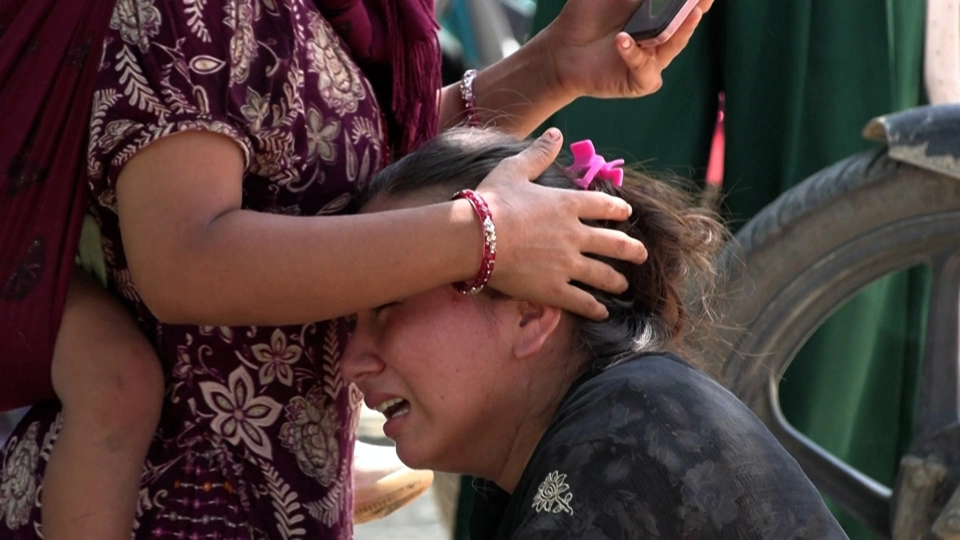 03:07
03:07 03:23
03:23 03:25
03:25 03:23
03:23 02:42
02:42 02:54
02:54 02:56
02:56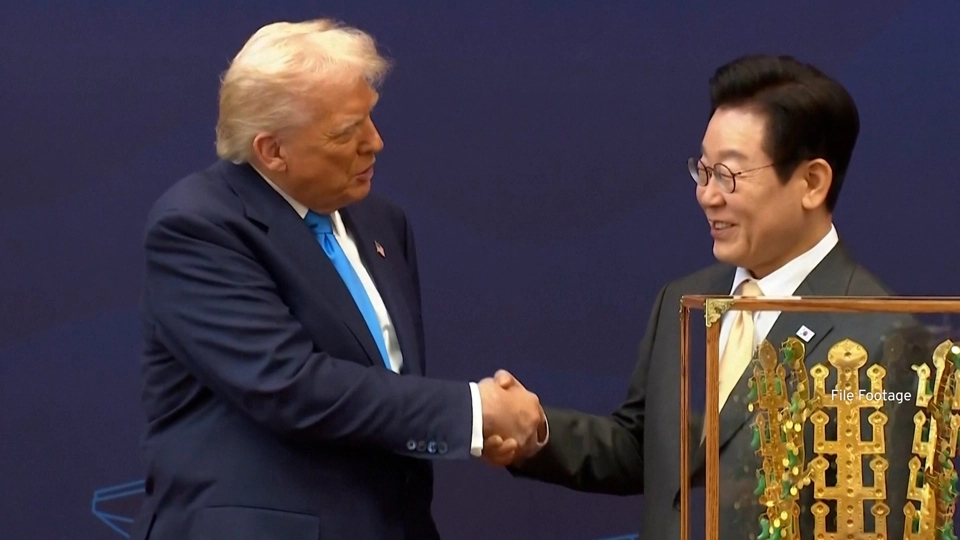 03:24
03:24 02:33
02:33 00:27
00:27 00:30
00:30 02:36
02:36 00:33
00:33 02:50
02:50 03:09
03:09