Iran’s Turmoil: Protest, Crackdown, and International Tension
REPORTER:
Iran’s President Masoud Pezeshkian leads a pro-government rally through the streets of Tehran. After two weeks of deadly nationwide protests calling for revolution, this aims to show public support for Iran as it is—an Islamic theocracy. And rallies like this back the government line that Iran’s rivals, the US and Israel, are behind the recent unrest.
REPORTER:
But in this video posted on social media, a crowd vows to topple Iran’s Supreme Leader after deadly crackdowns on protesters.
REPORTER:
What's slipping through a national internet and phone blackout suggests anger at the government isn’t settling down.
REPORTER:
The situation is murky. Norway-based NGO Iran Human Rights says more than 600 people have been confirmed killed in the protests—but other estimates put the death toll at upwards of 6,000.
REPORTER:
The US response isn’t totally clear either. US President Donald Trump says he’s slapping a 25% US tariff on any countries that do business with Iran. What's less clear is if he’ll attack Iran—which he's threatened to do if protesters are killed.
REPORTER:
The White House says both talks and strikes are possible.
White House Official:
Diplomacy is always the first option for the president. He's told all of you last night that what you're hearing publicly from the Iranian regime is quite differently from the messages the administration is receiving privately, and I think the president has an interest in exploring those messages. However, with that said, the president has shown he's unafraid to use military options if and when he deems necessary and nobody knows that better than Iran.
REPORTER:
Some say Trump could use tech to further the protests—for example, a satellite-to-cell phone service that could get any Iranian with a phone in their pocket a way around the communications blackout.
Tech Policy Analyst:
If President Trump declares an emergency regarding Iran and he talks to the FCC, and Elon Musk, who also stood with Iranian people in the past, can activate this service for Iran I think this solution will turn around everything, and the people will overthrow the regime much sooner than anyone expects.
REPORTER:
But others are more cautious about the prospects of a revolution. They say that while the son of Iran’s former monarch is one rallying figure, Iran’s opposition is largely fractured and faces a government that’s sticking together so far.
Political Analyst:
What's problematic is there has been no inclusive organization that has been built that can bring together Iranians of all walks of life: religious, ethnic, socioeconomic. And there are plenty of activism and ideas and agency that exists inside the country. But many Iranian opposition figures and leaders are in Iran's jails.
REPORTER:
And there are some who see Trump’s endgame as getting what he wants from Iran—rather than securing human rights or regime change.
Middle East Expert:
And these concessions primarily are about Iran's nuclear project, which US wants to be practically ceased in terms of enrichment inside Iran, as well as limiting the range of Iran's missiles so that Israel is not in danger. And if these aims are achieved, I doubt that Trump would care much about the kind of quite frightening number of protesters being killed.
REPORTER:
Iran’s foreign minister says Tehran’s ready to talk with Trump. But with all options still on the table, questions about Iran’s future are unanswerable for now.
 02:15
02:15 03:07
03:07 03:23
03:23 03:25
03:25 03:23
03:23 02:42
02:42 02:54
02:54 02:56
02:56 03:24
03:24 02:33
02:33 00:27
00:27 00:30
00:30 02:36
02:36 00:33
00:33 02:50
02:50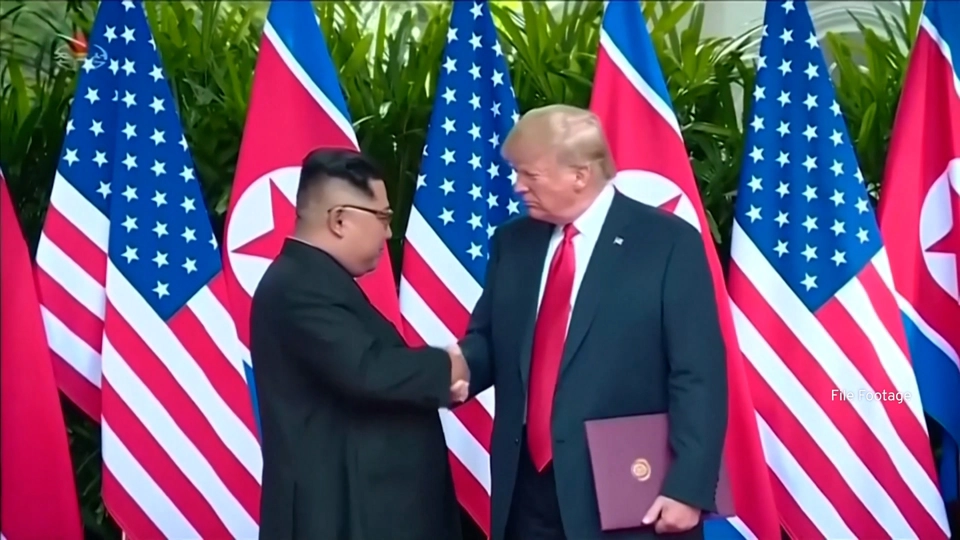 03:09
03:09