US-China Rare Earths Tensions Escalate
REPORTER:
US Trade Representative Jamieson Greer and Treasury Secretary Scott Bessent take to the podium to deliver the latest salvo in the US-China trade war. They’re decrying Chinese export controls on rare earths. These minerals are crucial to tech—and China controls 90% of production.
China says foreign companies must now get its approval before they can export products that contain even tiny amounts of rare earths—letting China decide where rare earths can and can’t go. Some think this may be an attempt to pressure the US on its own chip export controls. But regardless of the motive, Bessant says the US won’t back down.
Scott Bessent (TREASURY SECRETARY):
And make no mistake, this is China versus the world. They have put these unacceptable export controls on the entire world. China is a command-and-control economy, and we and our allies will neither be commanded nor controlled.
REPORTER:
The controls could hit smart phones, AI systems, cars and more. Already, the US is threatening an extra 100% tariff on Chinese goods in retaliation. And Bessent says the controls are a sign there’s a risk of decoupling between the US and China.
And in Taiwan, the tech sector is watching closely as the country's chip sector also makes use of rare earths.
Economy Minister Kung Ming-hsin has encouraged recycling rare earths as one way of staving off a shortage. He says Taiwan stands ready to join with the rest of the world in the face of China’s export controls.
Kung Ming-hsin (ECONOMY MINISTER):
There will be some indirect impact on Taiwan but we’ll watch it closely to see what kind of impact it might have and we’ll respond to this challenge with the international community.
REPORTER:
Some in the tech sector say a lot depends on how long the controls are in place—and how heated US-China trade friction gets.
Tech Sector Representative:
The impact right now is limited. [But] if the controls continue and [US-China trade ties] grow more confrontational I think it will impact all industries, not just Foxconn.
REPORTER:
Others, while hoping for a return to normal, see a chance the US could build its own rare earth production as a countermeasure.
Industry Analyst:
The US is the world’s second-biggest rare earths producer. If it decides to use all its firepower it’s not impossible for it to boost its own production. My conclusion is that the world is one built on cooperation where everyone contributes what they’re good at and what they can do best.
REPORTER:
October 29 could be a date to watch as tensions mount. That’s when US President Donald Trump and China’s President Xi Jinping could meet in South Korea—where both will be at the APEC forum. It could be a chance to ease tensions from China halting US soybean imports to new sanctions on American shipbuilders and port fees on US vessels.
Whether the two meet, though--and regardless of the outcome--Beijing is showing its willingness to throw its weight around, with global consequences.
 03:07
03:07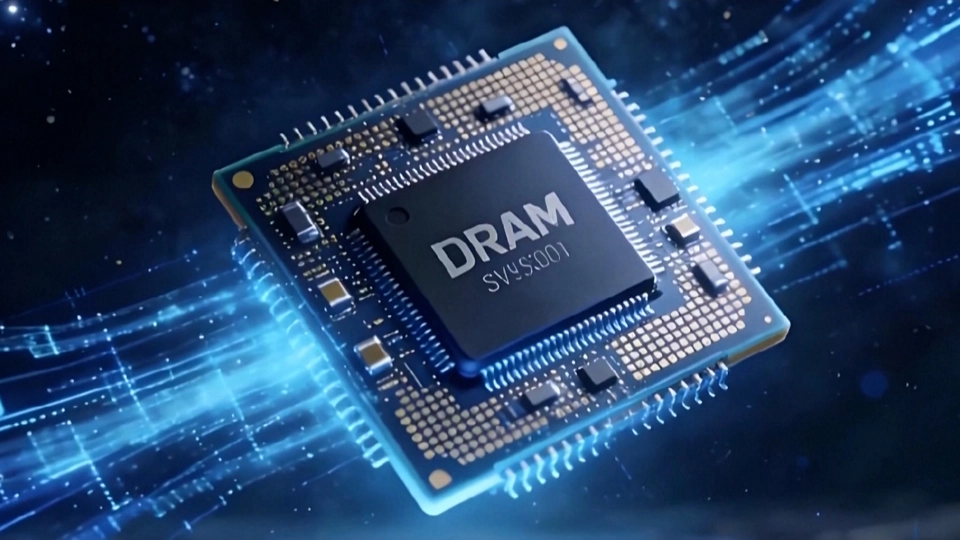 03:23
03:23 00:42
00:42 02:42
02:42 02:54
02:54 00:25
00:25 00:46
00:46 02:36
02:36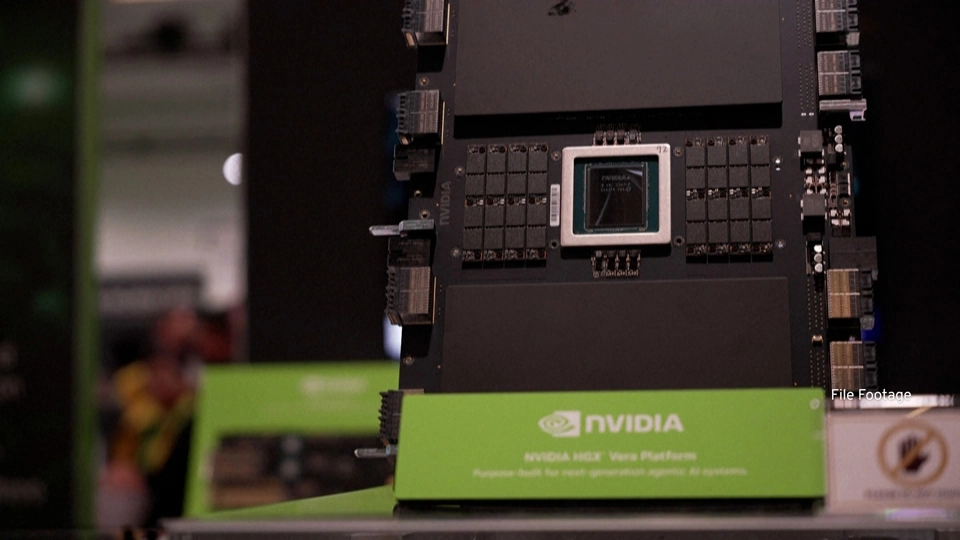 00:33
00:33 02:50
02:50 00:27
00:27 02:36
02:36 00:25
00:25 00:25
00:25 00:34
00:34 02:56
02:56