South Korea–Japan Summit: Energy, Security, and Public Concerns
REPORTER:
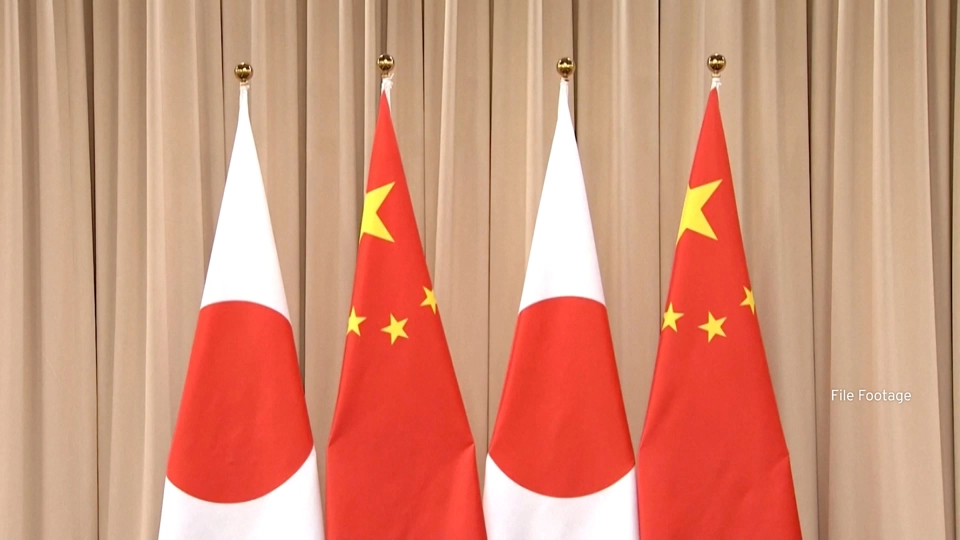
South Korean President Lee Jae Myung welcomes Japan’s visiting Prime Minister Takaichi Sanae. She’s here in Lee’s hometown of Andong—a follow up to his own January visit to Takaichi’s hometown.
REPORTER:
There’s a lot on the agenda, but one key issue decided is an agreement to cooperate further on getting energy supplies. War in the Middle East has choked off much of the world’s oil and gas supply—and with South Korea getting around 70% of its crude from the region, and Japan 95%—the pinch is serious.
Lee Jae Myung (SOUTH KOREAN PRESIDENT):
We agreed to expand LNG cooperation between our two countries, while also deepening information sharing and communication channels regarding crude oil supply and stockpiling.
REPORTER:
Another major point on the agenda was security—specifically regarding nuclear-armed North Korea. South Korea’s Lee envisions peaceful coexistence while Takaichi says trilateral cooperation including the US will continue.
Takaichi Sanae (JAPANESE PRIME MINISTER):
Regarding North Korea, we reaffirmed that we will respond closely in coordination through Korea–Japan and Korea–U.S.–Japan cooperation, including on missile issues.
REPORTER:
How Japan’s government deals with security challenges is something Japanese voters are watching. On Tuesday, tens of thousands of protesters gathered outside the legislature, voicing concerns about Japan’s military role in the world, the preservation of its post-war pacifist constitution, and a recent bill expanding Japanese arms sales.
Akisada Kurumi (PROTESTER):
Japan decided to allow weapons exports, and I'm not sure that's even constitutional. It really worries me that these kinds of decisions are being made without the public knowing, and things are just moving forward on their own. I feel a strong sense of crisis about it and keep thinking about how it could be stopped. It's honestly pretty scary.
REPORTER:
Some here see longstanding unease about Japan’s possible role in wars spreading through the public.
Tanaka Mitsuoki (PROTESTER):
Actually, 11 years ago in 2015, when the Abe administration pushed through the security legislation, I also came here in front of the National Diet. But back then, most of the people were older—mainly elderly people. Now it's different. There are a lot more young people, especially women.
REPORTER:
The debate over Japanese pacifism is not new, but under Takaichi’s government, these protesters feel a mounting urgency, even if ties with some of Japan’s neighbors are growing stronger.
Howard Chang and John Van Trieste for TaiwanPlus.
 03:39
03:39 02:15
02:15 03:07
03:07 03:25
03:25 03:01
03:01 00:42
00:42 00:30
00:30 02:42
02:42 02:54
02:54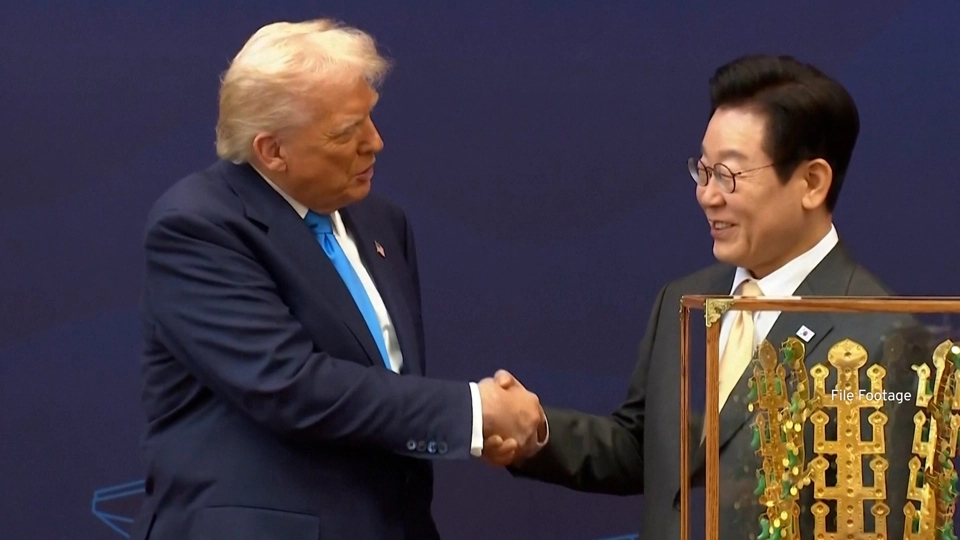 03:24
03:24 02:06
02:06 00:32
00:32 00:29
00:29 00:30
00:30 03:50
03:50 03:09
03:09