REPORTER:
India’s Great Nicobar Island is a world away from busy Delhi or Mumbai. It’s a lush place—about 95% of it is covered in forests with unique species—and perhaps more undiscovered ones. But change is coming, and quickly.
REPORTER:
India plans to put US$9 billion into building a megaport, an airport and an entire new city here. About a fifth of the land will need to be cleared. There will be bridges, docks, and roads.
REPORTER:
It’s a calculated move—this island and its neighbors sit in an important spot in the Andaman Sea — and one rival China is watching closely.
REPORTER:
And you need to keep watch on Bay of Bengal. You need to keep a watch on increasing forays by different navies, including the Chinese navy, into the area. So, you need upgraded infrastructure, enhanced capabilities -- which is being provided now.
REPORTER:
India looks with suspicion at Chinese facilities around the India Ocean, describing them as a “string of pearls” meant to entrench Chinese influence and hamper India’s own rise. The megaproject on Great Nicobar will counter that. The island is close to Southeast Asia and sits at one entrance to the Strait of Malacca—which carries 30% of global trade. In addition to civilian infrastructure, secretive military plans are afoot for the island, too.
REPORTER:
India’s government says the project meets all green requirements—with protected zones for local people, flora and fauna. But some are uneasy.
Barnabas Manju:
Our [Nicobarese tribe’s] livelihood depends on the jungle and the sea. We catch fish from the sea and use forest resources for food and daily needs. We have traditionally depended on hunting. If we lose access to these lands, our culture will also be lost.
REPORTER:
And there are even more isolated groups—like the hunter-gathering Shompen people. As the project attracts waves of outsiders, it could put pressure on their traditional way of life and the lands they depend on.
Unknown Speaker:
To me it is a sheer imposition of development on the Shompen. So this much I can say.
REPORTER:
And some settlers from the Indian mainland—or their descendants—feel compensation for their displacement is not enough.
Unknown Speaker:
Our lives feel completely destroyed. The land rates being offered are not fair, and the housing being provided is very small compared to what we are losing. Even the current house was allocated by the government, but if we are given proper housing now, that would still be acceptable.
REPORTER:
Whether locals are satisfied or not, geopolitics is geopolitics. The reality here is already changing. The first US$4 billion dollar phase—a port and airport, could be done within three years.
REPORTER:
A container port built from scratch will become one of India’s three biggest ports. It’s meant to make China sit up and notice. The question now is whether New Delhi can deliver the balance between national interests and local protections that it's promised.
REPORTER:
Alex Chen and John Van Trieste for TaiwanPlus.
 02:15
02:15 03:07
03:07 03:25
03:25 03:01
03:01 00:42
00:42 00:30
00:30 02:42
02:42 02:54
02:54 03:24
03:24 02:06
02:06 00:32
00:32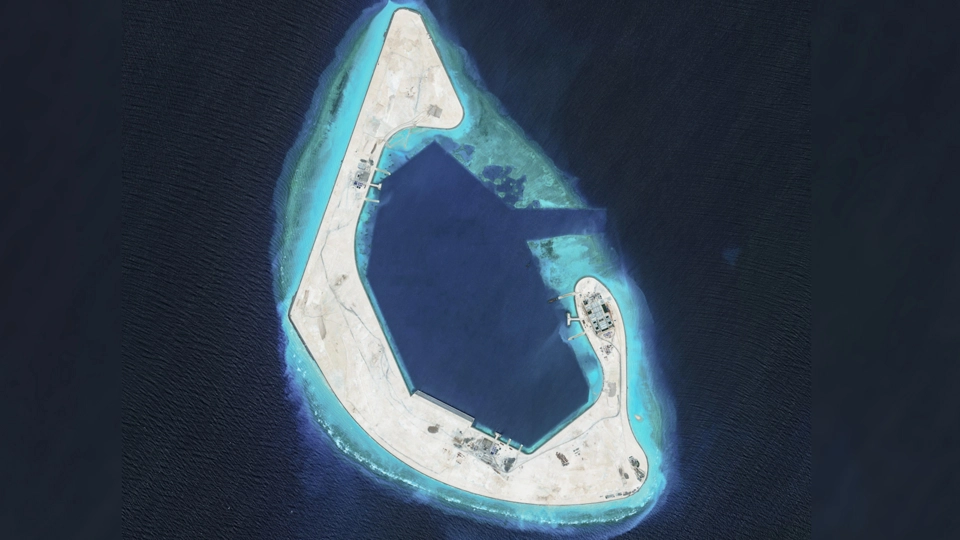 00:29
00:29 00:30
00:30 03:50
03:50 03:09
03:09 04:36
04:36