SOUTH CHINA SEA DISPUTES
Tensions on the rise as joint drills set to start
REPORTER:
Things are getting hot in the South China Sea. In the past week alone, the Philippine Coast Guard has accused China of poisoning local fish and of firing flares at its planes, while Reuters says China is building barriers to block access to the Scarborough Shoal.
REPORTER:
Several countries have overlapping claims in the Sea, including Taiwan. Incidents in the area are common. Beijing has militarized several islands to strengthen its own claims.
REPORTER:
This recent spike in tensions comes just before the Philippines, the US and Japan hold joint military drills. Those start Monday, and run until early May. Exercises will be held across the Philippines, with more of a focus on regional security.
Bryce Barros (DEFENSE ANALYST, INDSR):
it has moved from a focus on counterterrorism to now territorial integrity, i.e., South China Sea, Taiwan contingency
I would say that they're very big in the sense of the multilateral aspect of it, but also some of the capabilities that they've tested out in the last few years
they've done more related to, uh, long range firing capability,
Wanting to maintain, um, denial, uh, for things like the Bashi Channel or parts of the South China Sea, West Philippine Sea
REPORTER:
Since it's not a participant, why should Taiwan care about these drills? Experts say what happens to the south of the country has major implications for its security.
Su Tzu-yun (DEFENSE ANALYST, INDSR):
Although Taiwan is not participating, [Balikatan] is crucial to Taiwan’s security. Taiwan has no barrier to its north but to the south is the Bashi Channel. If the US, Philippines, Japan and other countries can secure the South China Sea, Taiwan will face fewer threats from that direction.
Though Taiwan is not participating, it can still coordinate with other countries.
REPORTER:
Taiwan is not the only country keeping a closer eye on the region. Australia, France, Canada, the Czech Republic and others are also joining the drills. And for the first time, Japan is joining Balikatan as a full participant with combat troops, upping its involvement from just observing. With so many countries involved, Taiwan and China will both be watching the drills closely.
Kris Ma and Lery Hiciano, for TaiwanPlus
 02:15
02:15 03:07
03:07 03:25
03:25 03:01
03:01 00:42
00:42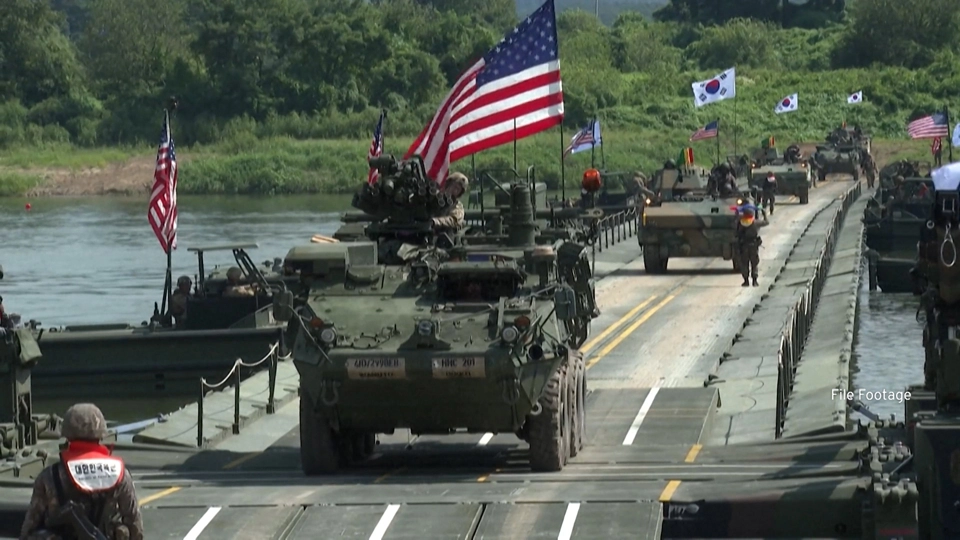 00:30
00:30 02:42
02:42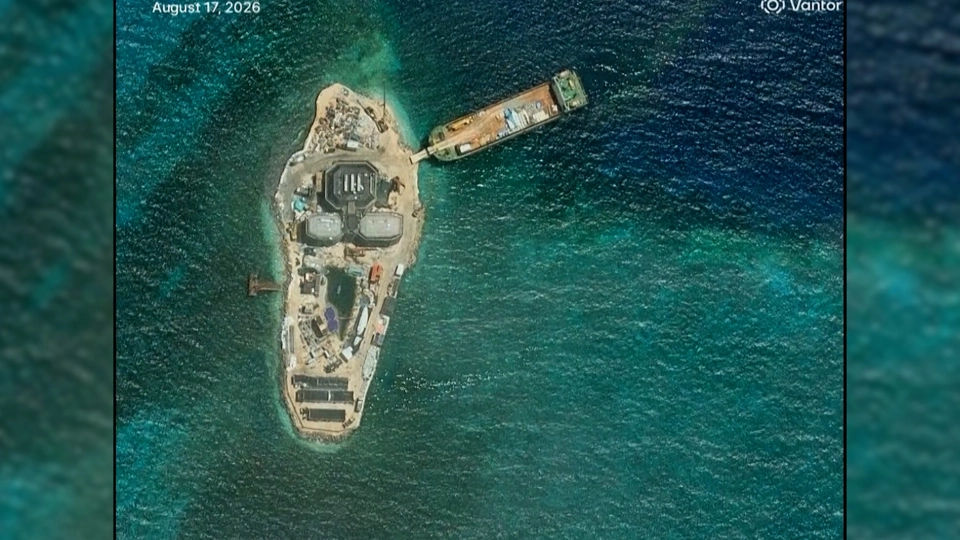 02:54
02:54 03:24
03:24 02:06
02:06 00:32
00:32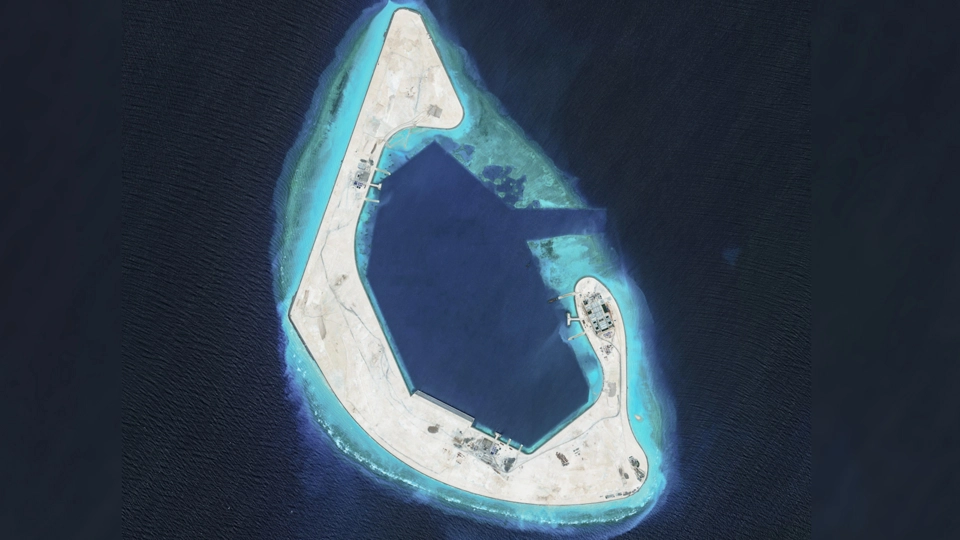 00:29
00:29 00:30
00:30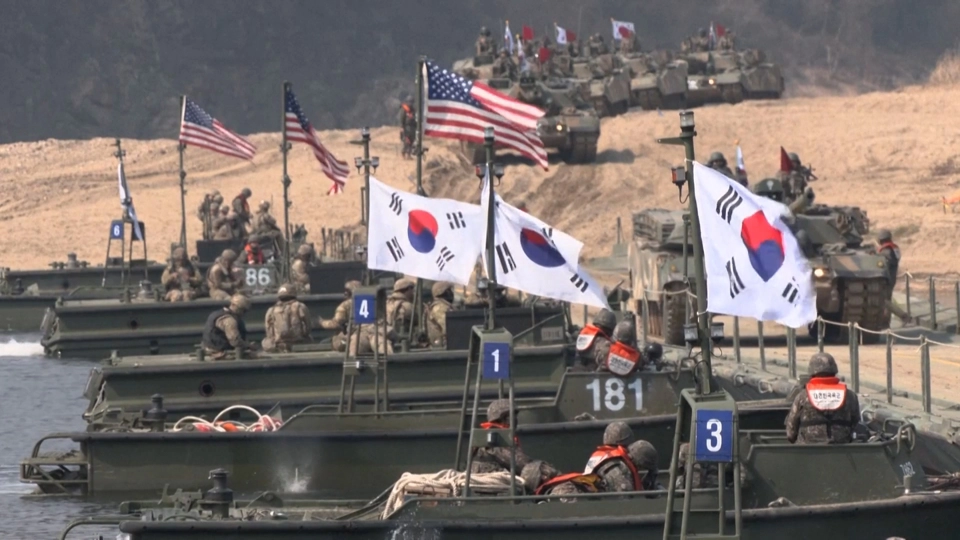 03:50
03:50 03:09
03:09 04:36
04:36