*This AI-generated summary is based on reporting by TaiwanPlus and verified by newsroom fact checkers. Learn more about our policy here.
With Donald Trump now officially sworn in for his second term as U.S. president, Taiwan is watching closely to see how his “America First” economic policies might affect its booming high-tech sector — particularly his pledge to impose sweeping tariffs on foreign imports.
Trump has vowed to address trade imbalances, with a focus on China. However, his rhetoric has also touched on Taiwan. During his campaign, Trump accused the country of undercutting the U.S. semiconductor industry. “Taiwan, they stole our chip business,” he said during a rally in late 2024.
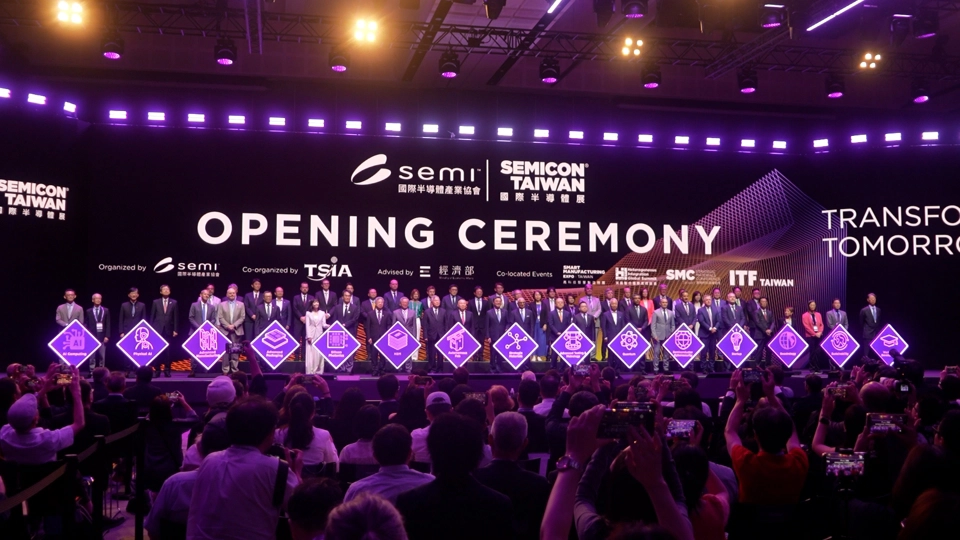
The statement sent ripples through Taiwan’s technology sector, which posted a record US$64.9 billion trade surplus with the U.S. last year — a 83.5% increase fueled by the global surge in demand for advanced chips, particularly in the artificial intelligence industry.
Despite concerns, Taiwan’s economic leaders remain cautiously optimistic. Central Bank Governor Yang Chin-long downplayed the likelihood of Taiwan facing tariffs, pointing to the country’s dominance in high-end manufacturing. “Our manufacturing is very advanced,” Yang said. “It’s [the U.S.] that needs our products.”
However, economic experts warn that Taiwan’s position is not guaranteed. Lien Hsien-ming, president of the Chung-Hua Institution for Economic Research, noted that Taiwan’s reliance on U.S. arms sales and diplomatic support could make it vulnerable to leverage.
“On the tariff side, Taiwan probably [is] not on the top, top list,” Lien said. “But you also have to be a little bit cautious because there are a number of reasons why Taiwan actually [could] fall into the disadvantaged position.”
Lien highlighted Taiwan’s dependence on U.S. support in defense and international affairs, suggesting Trump could use that influence to push for economic concessions. “Taiwan still needs the United States’ help,” he said. “On national defense and on international affairs, Trump is going to use that to have some favors.”
While Trump’s push to restore manufacturing jobs to U.S. soil could pose challenges for Taiwan, Lien sees potential opportunities. He pointed to Taiwan Semiconductor Manufacturing Company’s (TSMC) expansion into the U.S. state of Arizona as a promising example. The chip giant’s struggles with local labor unions, he said, are a valuable lesson for other Taiwanese companies considering similar moves.
“Of course [I’m worried],” Lien said, when asked about Taiwan being taken advantage of. “But we should use that as the opportunity to see whether it’s possible, after all this experience, that we are able to build up a true international company.”
Economic leaders argue that expanding overseas isn’t about surrendering Taiwan’s tech advantage but strengthening its global position — potentially beyond the chip sector.
 04:22
04:22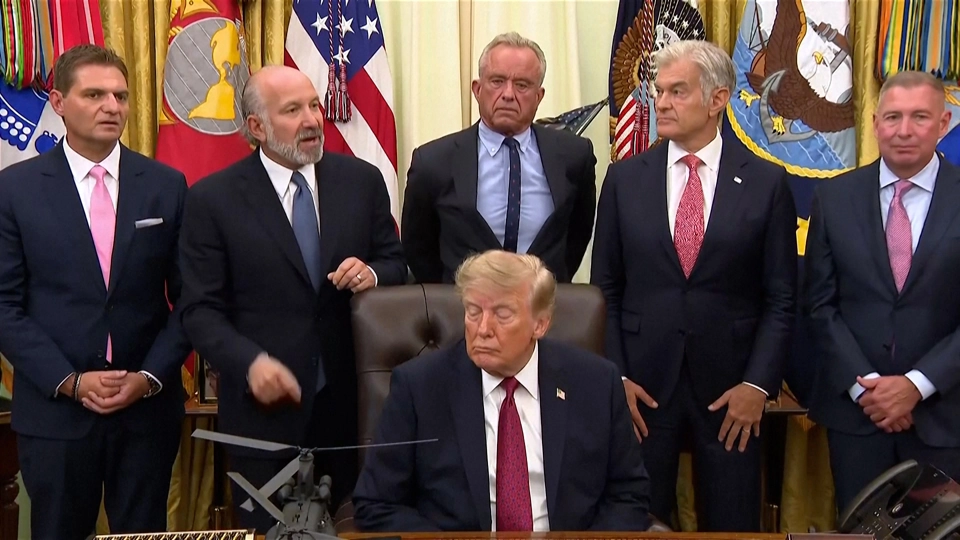 01:47
01:47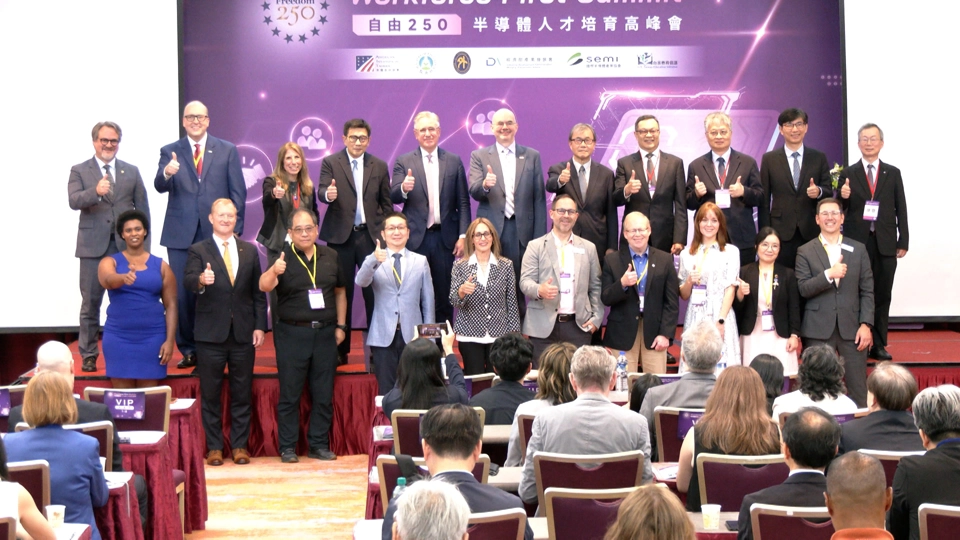 01:14
01:14 04:02
04:02 02:33
02:33 00:44
00:44 02:56
02:56 04:54
04:54 03:19
03:19 00:34
00:34 01:56
01:56 00:34
00:34 00:31
00:31 02:38
02:38 07:10
07:10 00:36
00:36