* This AI-generated summary is based on reporting by TaiwanPlus and verified by newsroom fact checkers. Learn more about our policy here.
What a Second Trump Presidency Could Mean for Taiwan
As the U.S. approaches a pivotal presidential election, many in Taiwan are looking ahead to the potential implications of a second Donald Trump presidency. In this installment of our "Defending Taiwan" series, TaiwanPlus explores how a Trump administration could reshape the defense landscape for Taiwan and its relationship with the United States, particularly in the face of growing tensions with China.
Trump’s Position on Taiwan
In a recent statement, Trump emphasized the strategic significance of Taiwan, particularly concerning the semiconductor industry. He said a vast majority of the world’s chips are now produced in Taiwan, raising alarms about the consequences of a potential Chinese takeover. "If China takes Taiwan, they will turn the world off potentially," he warned, echoing concerns shared by many in Taiwan about the island’s geopolitical importance.
Despite his claims, there’s skepticism regarding the accuracy of his assertions. Many in Taiwan fear that Trump's rhetoric may not translate into the strong, consistent support necessary for their defense against Chinese aggression.
Arms Sales and Military Support
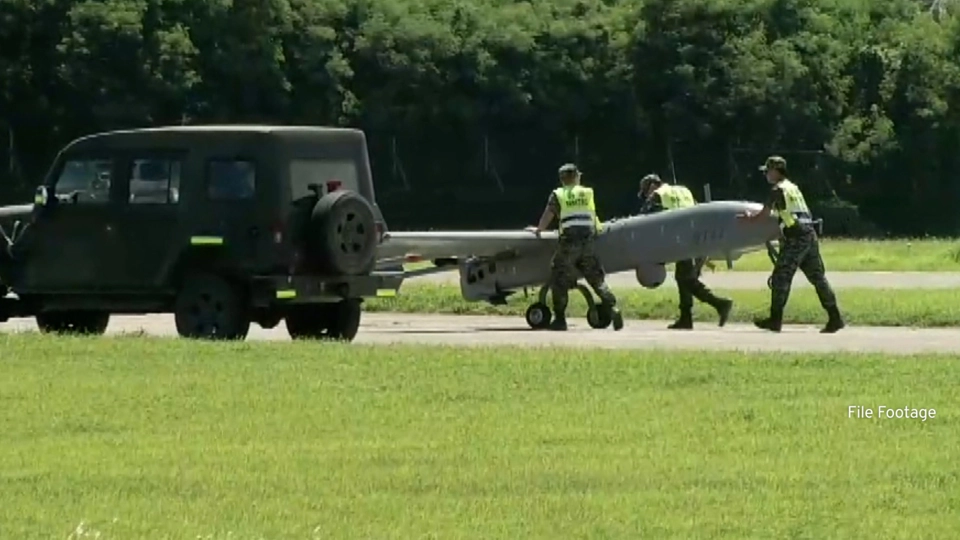
Taiwan relies heavily on the U.S. for military equipment, even in the absence of formal diplomatic ties. Under Trump's administration, Taiwan saw a record increase in arms sales from the U.S., including billions spent on fighter jets and missiles, although many of these acquisitions have yet to be delivered. Analysts believe that if Trump is reelected, the boundaries around arms sales to Taiwan might expand further, potentially enhancing Taiwan’s military capabilities.
However, there is also concern about Trump's unpredictable nature. Rupert Hammond-Chambers, president of the U.S.-Taiwan Business Council, notes that while unpredictability could lead to increased arms sales, it also generates anxiety regarding U.S. commitments.
Diverging Views Within the Republican Party
Despite Trump's vocal stance on Taiwan, analysts argue that his views may not fully represent the Republican Party's collective perspective. Alex Velez-Green, a senior policy advisor at the Heritage Foundation, suggests that while Trump may focus on various global conflicts, the party itself is likely to prioritize confronting China and ensuring Taiwan's defense.
There’s a growing consensus among conservatives that the U.S. needs to enhance its military presence and support in the Indo-Pacific region. This emphasis could lead to a shift in resources, potentially detracting from engagements in other areas, such as Europe or the Middle East.
If Trump were to win the presidency again, there could be a significant pivot in U.S. foreign policy toward Asia. Many analysts think a Trump administration would intensify efforts to counter Chinese military advancements and support Taiwan more robustly. This could manifest in increased military cooperation and a more strategic allocation of resources to ensure Taiwan's defense.
However, there’s a risk that Trump’s transactional approach to foreign policy could lead to a recalibration of priorities that might undermine Taiwan's position. His administration's potential unpredictability raises questions about the long-term commitment of the U.S. to Taiwan’s security.
As Taiwan grapples with the uncertainties of a possible second Trump presidency, the stakes are high. The interplay of U.S. arms sales, military support, and Trump's unpredictable nature could redefine Taiwan’s defense strategy in the coming years.
 04:02
04:02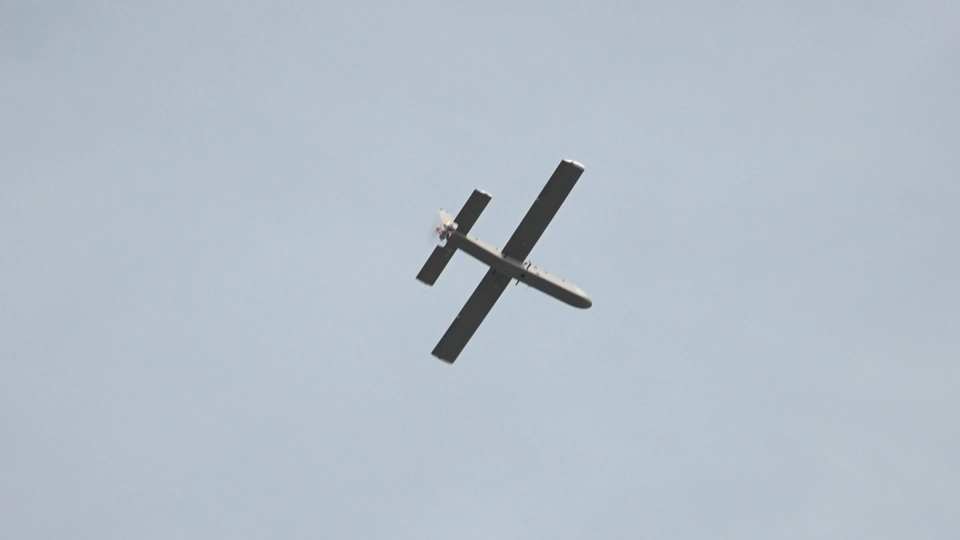 02:33
02:33 00:44
00:44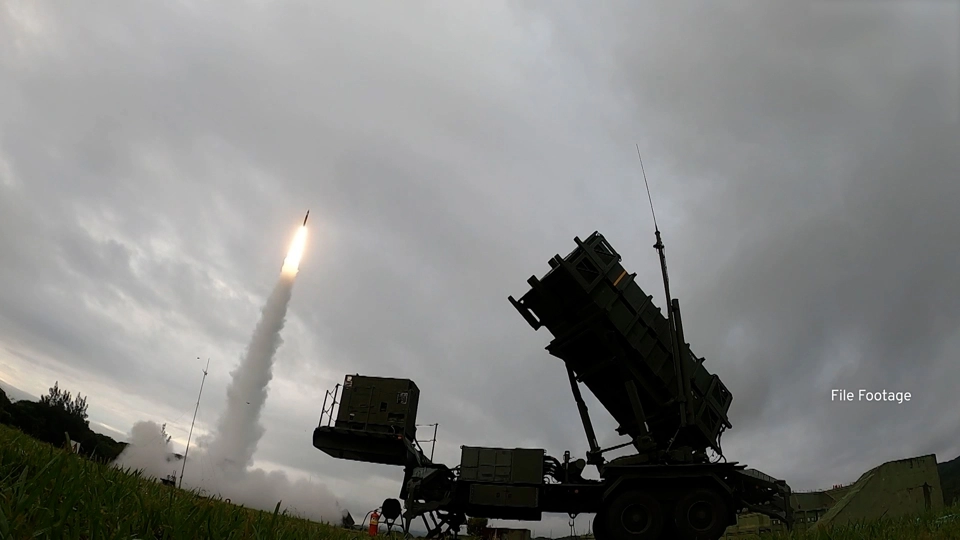 02:56
02:56 04:54
04:54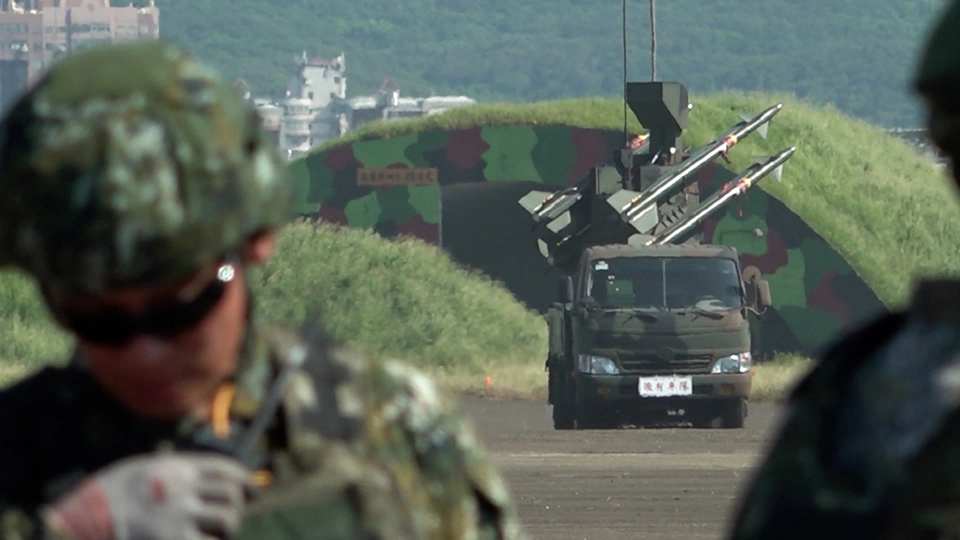 03:19
03:19 00:34
00:34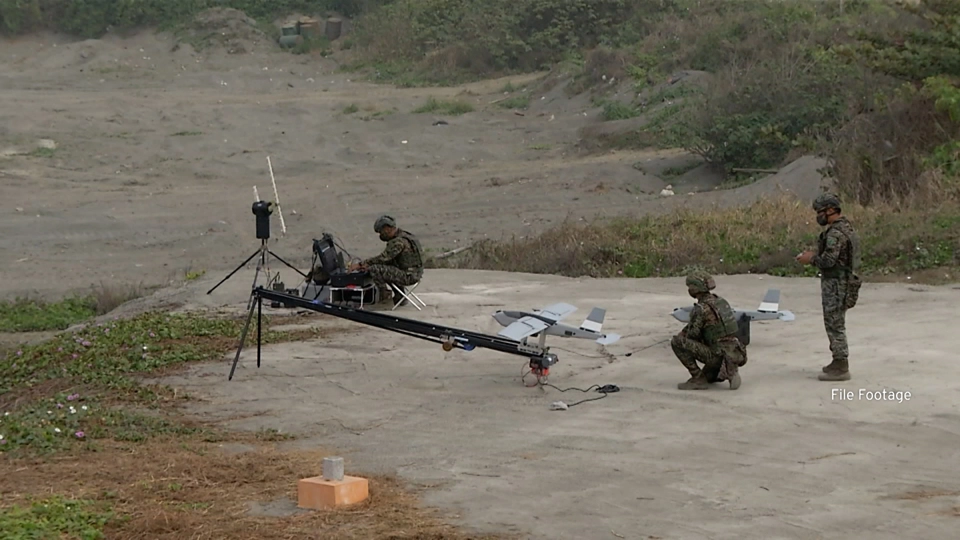 01:56
01:56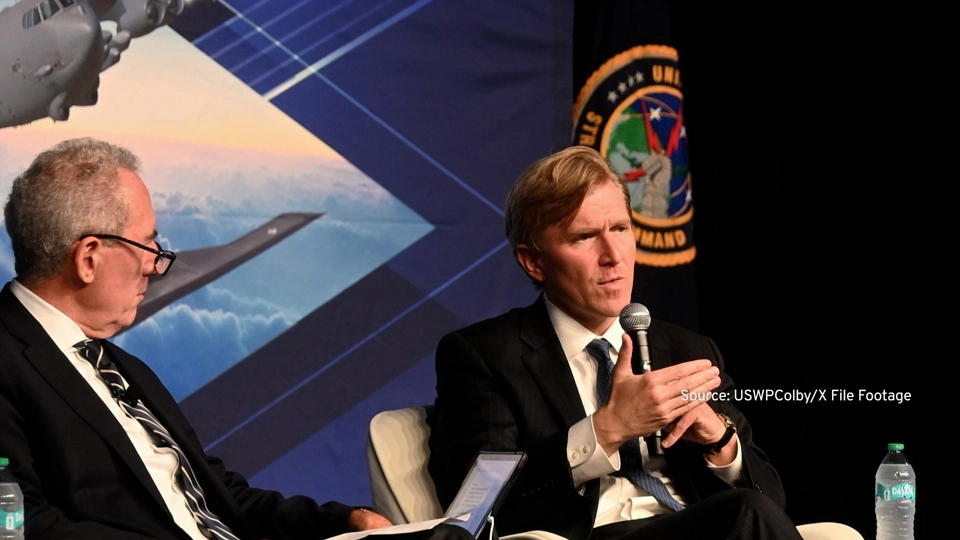 00:34
00:34 00:31
00:31 02:38
02:38 07:10
07:10 00:36
00:36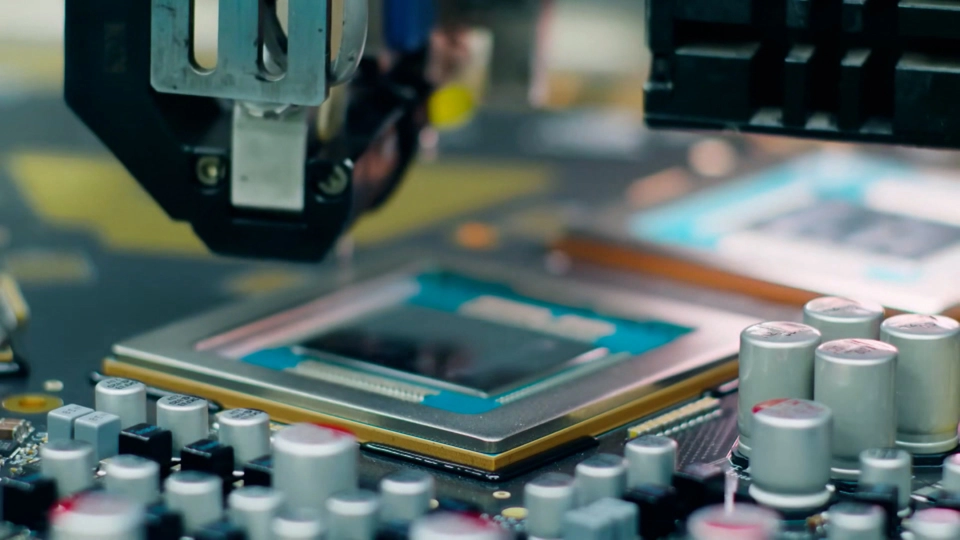 00:35
00:35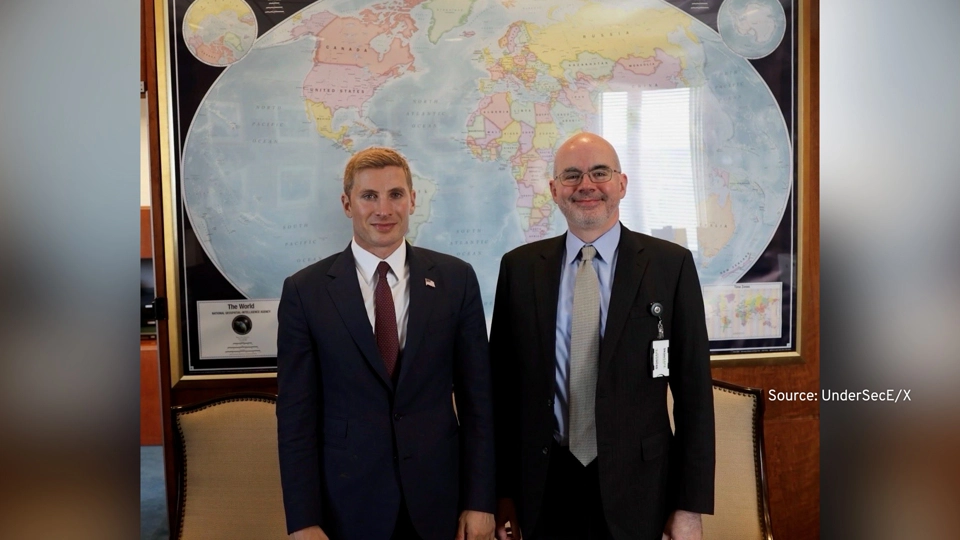 00:31
00:31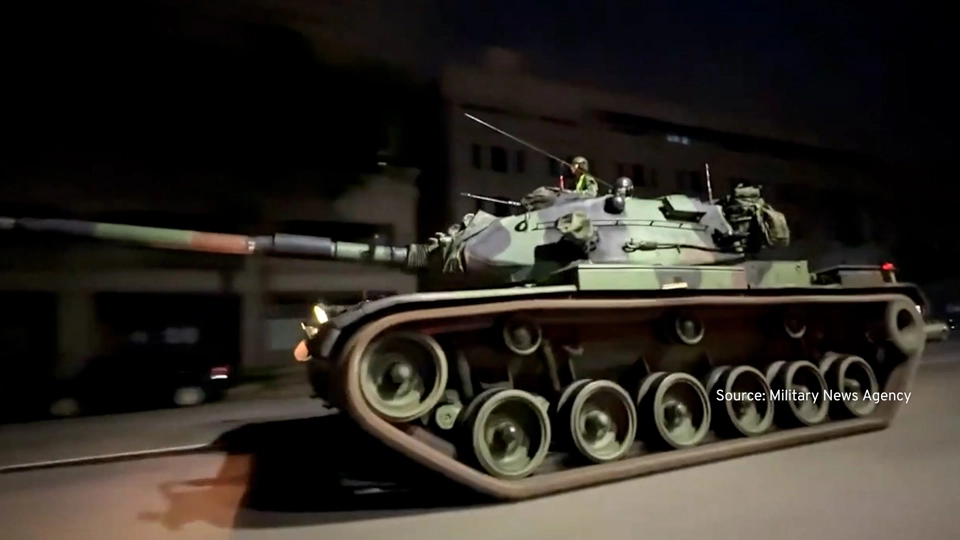 02:36
02:36