Q:
I know that you also mentioned before that you are quite confident that President Trump will pass another 14 billion U.S. dollars arms sale to Taiwan. How soon do you think that might be? And do you think it could happen before President Trump meets with Chinese President Xi Jinping in September?
A:
Well, only President Trump can answer that question. I can tell you where the United States Congress is, that we are strongly supportive of Taiwan, that we want to see that foreign military sales package tendered to the Congress for approval, which will happen very quickly. I feel that I do believe the president will do that soon. And that's part of the deterrence.
Q:
So during this trip, you met with President Lai Ching-te and also Foreign Minister Lin Chia-lung. I'm wondering what kind of key messages did you convey to Taiwanese government officials? I know that you mentioned expanding the Non-red drone supply chain, potentially seeing some partnerships with the U.S. and Taiwan there. Could you explain a bit?
A:
Congress stands strongly behind Taiwan, both Republican and Democrat. There's no party distinction on Taiwan. I had the honor to meet with your speaker and Parliament members from both parties, the DPP and the KMT. They seem very solidified on their legislation in terms of foreign military sales and also the drone issue.
And what's great about it is it mirrors exactly what we were doing in Washington right now with the National Defense Authorization Bill, with the Taiwan Security Initiative Act, which basically authorizes $1 billion towards co-production of advanced drone capabilities in Taiwan and in the Philippines as well. So it's great that your Parliament and our Congress are working together almost simultaneously in defense of Taiwan.
Q:
Thinking about the conversations you've had with different members of Taiwan's government over this week, what sort of messages and takeaways do you have to bring back to Congress and the U.S. government?
A:
People of Taiwan stand strongly with us, that the weapon sales are extremely important. That are cooperation between your military and our INDOPACOM, our military in the Indo-Pacific, and specifically Admiral Paparo is very important. Also that the gray zone is real, that China is invading that, not just with their Navy warships, which I was greeted by the last time I came here, by the way, and then sanctioned, but also by a ghost fleet of unmarked vessels under the name of research, and their Coast Guard that they're exploiting that to go into the gray zone and conduct exercises.
Q:
Is that what you find most concerning about China's approach right now?
A:
Yes, because they are there. It is the first step in preparation towards what could be an invasion. And that deeply disturbs me. And it's precisely why this $14 billion package needs to be submitted to the Congress as soon as possible.
Q:
2027 has been cited as sort of a deadline for China to be able to have the capability of invading Taiwan. How does the U.S. assess the risk there?
A:
Well, they say the risk is to upset the global balance of power. I think that the more deterrence we can provide to Chairman Xi, the less inclined he will be to either invade or provide a blockade or a quarantine, whatever it is he is thinking about doing. It's almost like trying to get inside someone's head that this will come at a high price and it's not worth it. And I do think, though, that first he will try to take over the island by election, election interference. So we will be looking at the midterm elections and the 2028 presidential election.
Q:
This year Trump is meeting with Xi for the second time. And in Taiwan, there is, of course, some concern about what exactly it means for them to meet again and whether Taiwan is kind of a bargaining chip in their negotiations. Do you have any words of reassurance, maybe for people in Taiwan who are following this closely?
A:
Well, to not confuse our negotiation with China in an attempt to normalize our relationship and our trade relationship with China, to not confuse that with arms sales to Taiwan. They're two very separate things. And Congress is an equal and separate branch of government that keeps the executive in check. And that, I can tell you, Republican or Democrat, the Congress is very strongly behind Taiwan on this.
Q:
Speaking of Congress, you know, what sort of issues regarding Taiwan do you see the most support for, the most discussion for?
A:
You know, we share the same values, democratic values, freedom, the technology advances of Taiwan. I mean, TSMC, I'm from Texas, so I'm very proud that the founder of TSMC worked for Texas Instruments. And we actually have an MOU business, economic, basically our own trade agreement with Taiwan and Texas, so that the economic ties are real. The American people identify with the Taiwanese. And we also see aggression. Now, what we're seeing now is China getting aggressively involved east of Taiwan and north, getting very dangerously close to the islands controlled by Japan. This is getting, I think, perilously close to violating the status quo. They're weaponizing the one China policy now. And that is very disturbing to me. Nobody wants to see war.
 02:31
02:31 00:29
00:29 00:39
00:39 00:39
00:39 00:34
00:34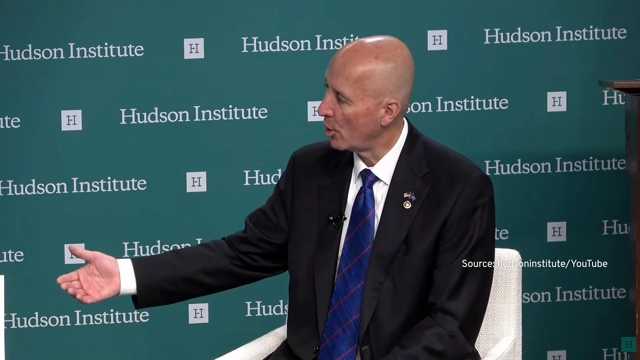 00:35
00:35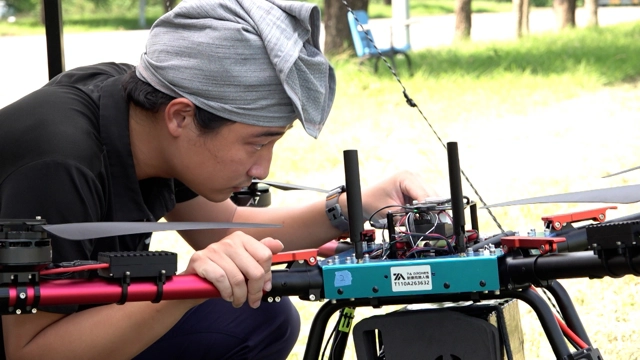 04:10
04:10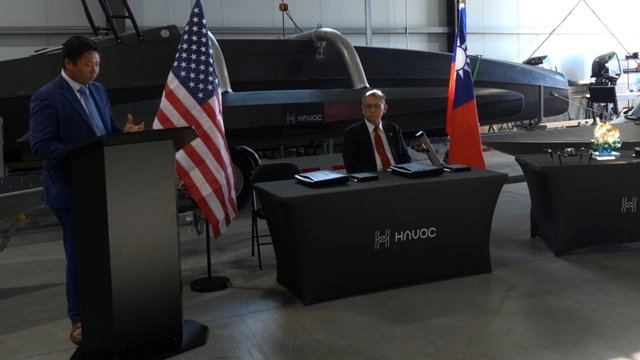 00:29
00:29 02:00
02:00 04:22
04:22 01:47
01:47 01:14
01:14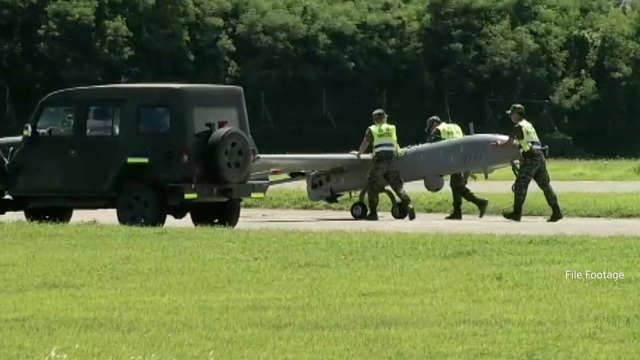 04:02
04:02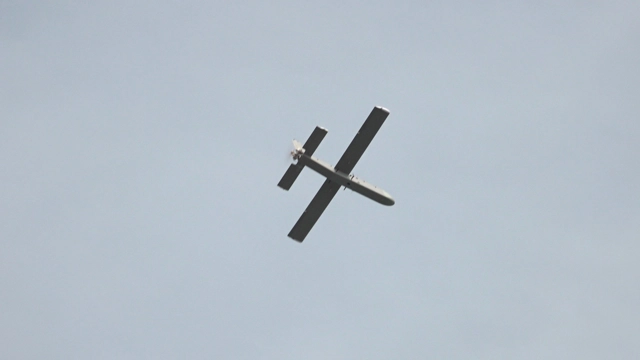 02:33
02:33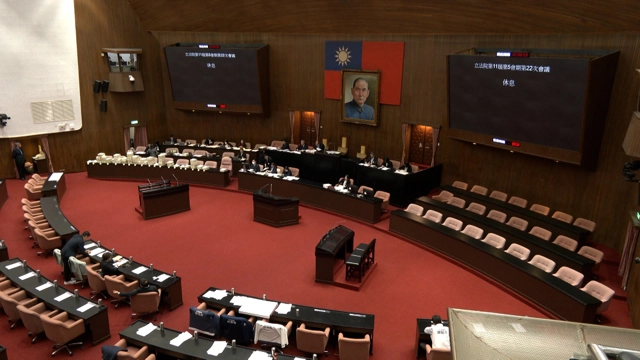 00:44
00:44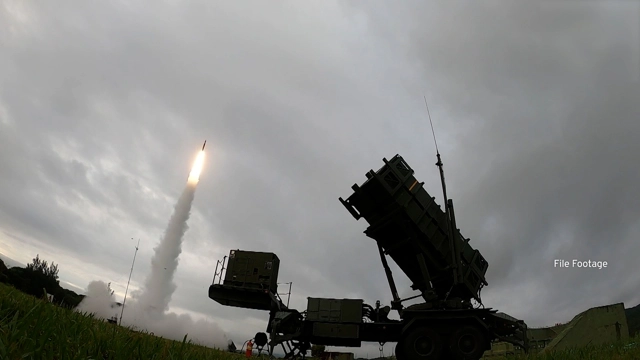 02:56
02:56