* This AI-generated summary is based on reporting by TaiwanPlus and verified by newsroom fact checkers. Learn more about our policy here.
What a Kamala Harris Administration Could Mean for Taiwan's Defense
Two years ago, U.S. Vice President Kamala Harris and then-Taiwan’s Vice President Lai Ching-te met for the first time in Honduras, marking a significant moment in U.S.-Taiwan relations. As Taiwan gears up for a new chapter with Lai now serving as president, the upcoming U.S. presidential election introduces the question: What will a potential Harris administration mean for Taiwan's defense?
Taiwan's Strategic Importance
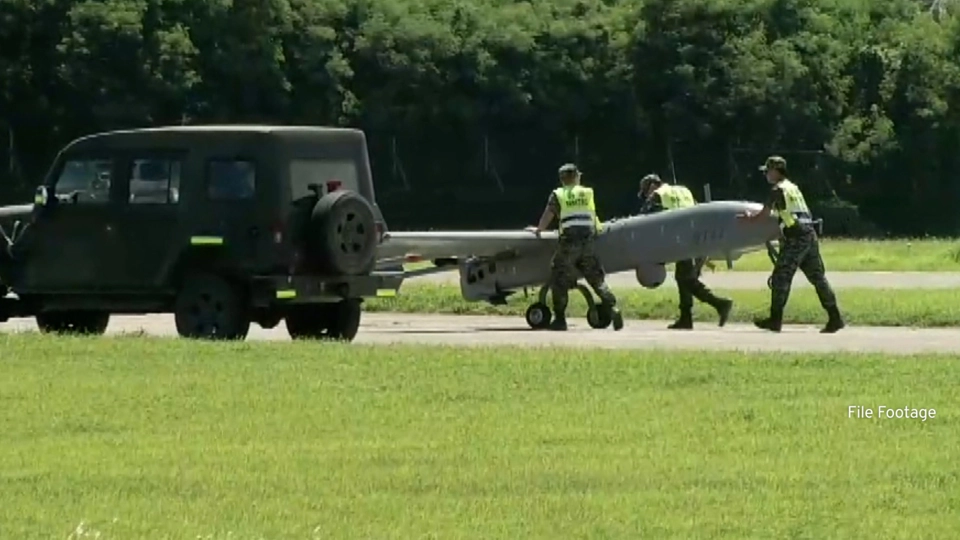
The U.S. has been Taiwan's largest provider of military support, supplying weapons, military advisors, and equipment vital for the island’s defense. In a recent interview on CBS's “60 Minutes,” Harris emphasized the importance of maintaining the U.S.’s one China policy while supporting Taiwan’s ability to defend itself, a statement that reflects existing U.S. policy toward Taiwan.
However, with escalating tensions in the region, the key question remains whether Harris could offer a fresh approach to Taiwan’s security if elected president.
Insights from the U.S.-Taiwan Defense Conference
To explore this, TaiwanPlus attended the U.S.-Taiwan Defense Industry Conference in Philadelphia, a critical gathering for defense discussions between U.S. officials and Taiwanese representatives. Here, Iris Shaw, the newly appointed Director of the Democratic Progressive Party (DPP) Mission in the U.S., highlighted her extensive experience in fostering U.S.-Taiwan ties. Despite the potential for change in U.S. leadership, Shaw expressed confidence that bipartisan support for Taiwan would persist.
"All of the robust bilateral engagements from the Trump administration to the Biden administration have shown consistency," she noted, suggesting that Taiwan’s relationship with the U.S. would likely remain stable under Harris.
New Tools for Defense Aid
One of the most significant developments in U.S. military support for Taiwan is the use of Presidential Drawdown Authority. Under this mechanism, President Biden has been able to expedite military aid by drawing from existing U.S. stockpiles. If Harris takes office, she may continue utilizing this approach, allowing for quicker responses to Taiwan’s defense needs without the delays often associated with congressional approval.
Thomas Shattuck, a senior program manager at Perry World House, pointed out that Harris would enter office with established tools for military support, potentially bypassing contentious congressional debates over new authorities.
Strengthening International Alliances
Beyond military aid, Harris has been active in bolstering U.S. relations in Asia. Her engagements, such as visiting coast guard bases in the Philippines and attending significant events in Japan, are critical for strengthening regional alliances that could benefit Taiwan. Analysts believe that a strong network of U.S. allies will enhance Taiwan’s position on the global stage.
Shattuck noted, “Harris’s existing relationships with allies in Asia could create a supportive environment for Taiwan, further solidifying its security partnerships.”
A Future of Consistency in Policy
As discussions about Taiwan’s security continue, analysts emphasize the importance of consistency in U.S. policy. The expectation is that a potential Harris administration would maintain the same level of engagement and support seen under Biden. This continuity could be vital for Taiwan as it navigates increasing pressure from China.
With the U.S. election looming, the future of Taiwan's defense hangs in the balance. A Kamala Harris presidency could bring both challenges and opportunities. While her administration may continue existing policies, the tools at her disposal and her proactive approach to international relations could significantly impact Taiwan's defense posture. As Taiwan prepares for its new leadership, the outcome of the U.S. election will be closely watched, as it may redefine the dynamics of U.S.-Taiwan relations in an increasingly complex geopolitical landscape.
 04:02
04:02 02:33
02:33 00:44
00:44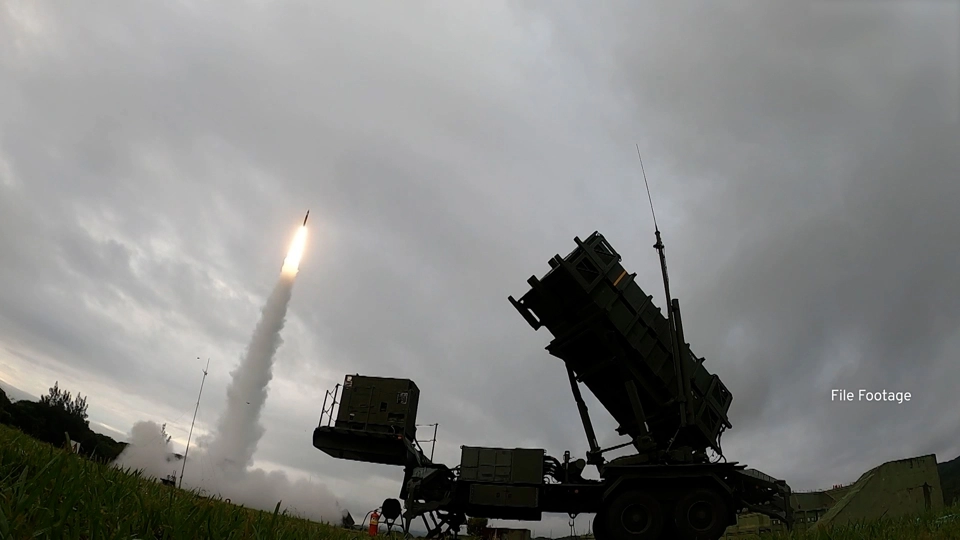 02:56
02:56 04:54
04:54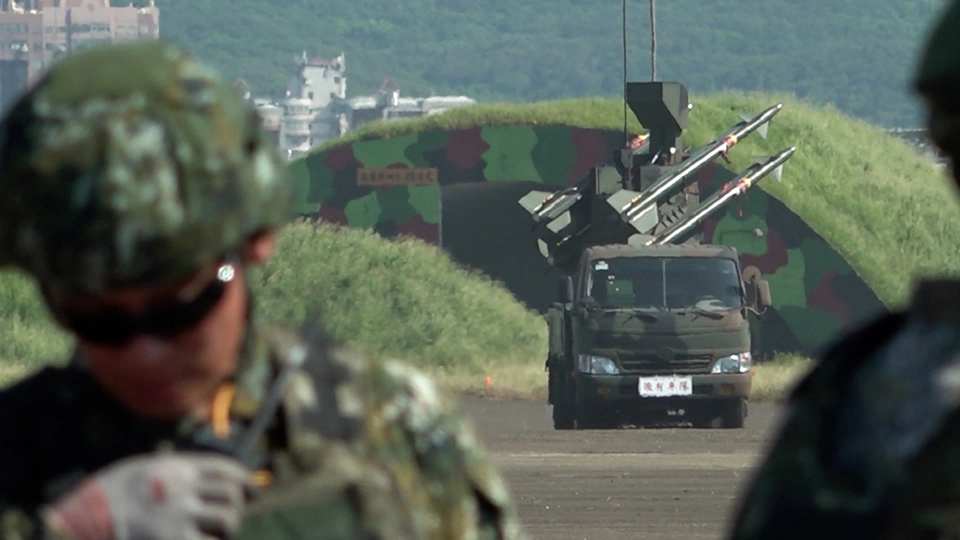 03:19
03:19 00:34
00:34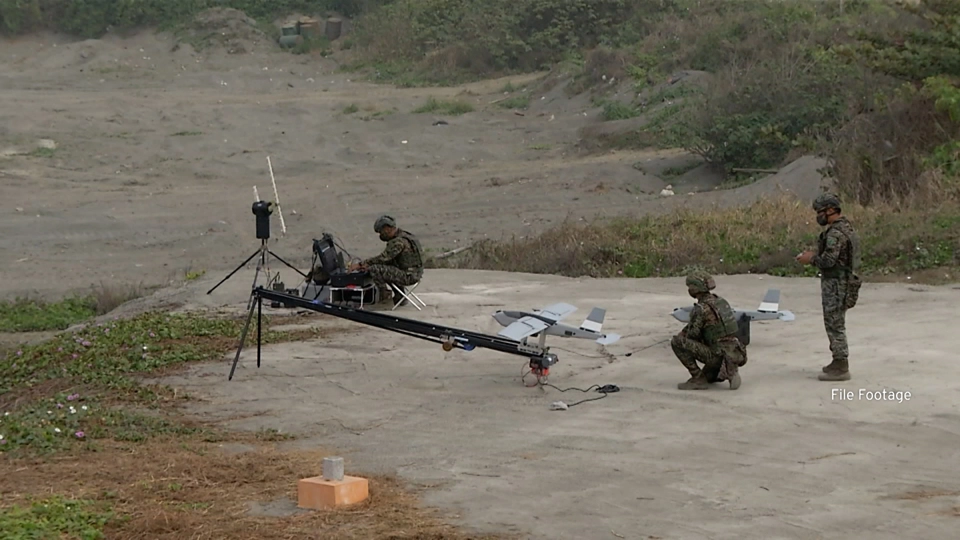 01:56
01:56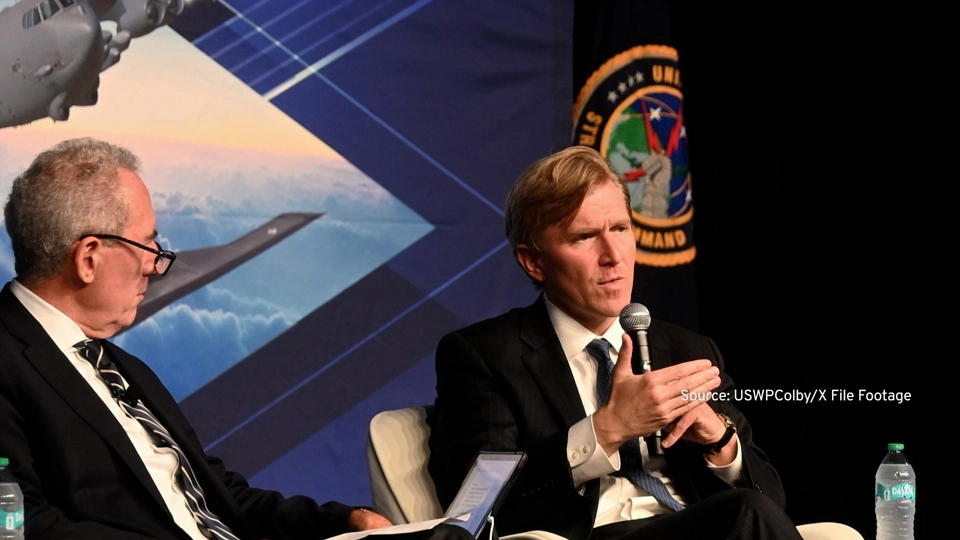 00:34
00:34 00:31
00:31 02:38
02:38 07:10
07:10 00:36
00:36 00:35
00:35 00:31
00:31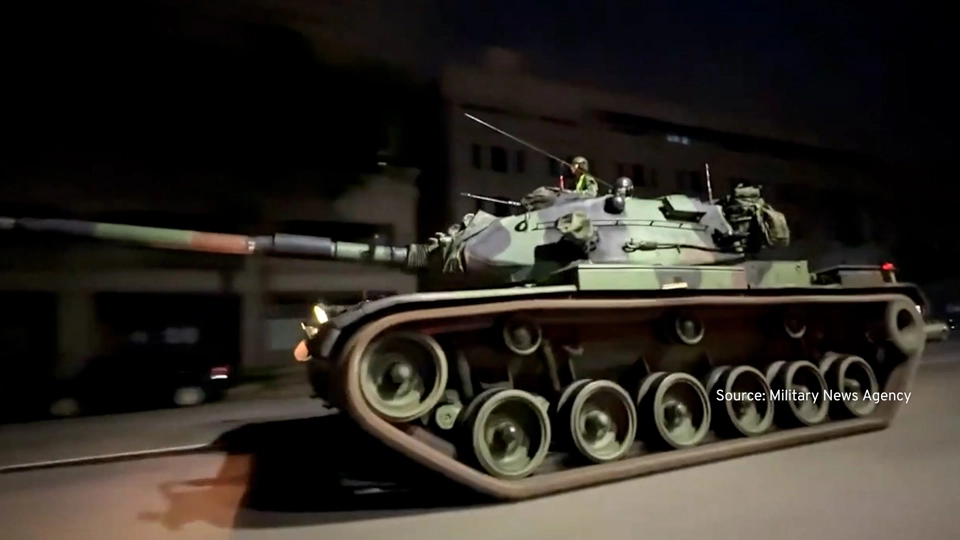 02:36
02:36