US National Intelligence Report: China Not Looking to Invade Taiwan in 2027
REPORTER:
Beijing prefers unification without the use of force. That’s the assessment made in a new US intelligence report. One that goes against the idea that China’s president told the military to be ready to take Taiwan by 2027.
REPORTER:
The Annual Threat Assessment says China has no fixed timeline for taking Taiwan and no plans to invade it next year. But it says China’s military—the PLA—will continue to develop its ability to do so. That appears to be in line with previous analysis.
Bryce C. Barros (DEFENSE ANALYST, INDSR):
Placing an emphasis on 2027 and confusing the ability between of capabilities versus intent,
Looking at the way that the PLA might be preparing for a future conflict versus the desire for them to actually want to do one under XI Jinping. I'm not surprised that the threat assessment says that an invasion is likely not to happen
REPORTER:
The report also says China’s military was making “steady but uneven” progress towards being able to take Taiwan, a country it claims as its territory. It adds that three factors—its military readiness, politics inside Taiwan and the possibility of US military intervention—would determine when it makes a move.
REPORTER:
The report did not say if the US would defend Taiwan in an invasion. But it did warn that a Taiwan Strait conflict would disrupt access to critical technologies, trigger Chinese cyberattacks and carry unprecedented economic costs.
REPORTER:
It also said remarks made by Japan Prime Minister Takaichi Sanae in November marked a significant shift for a Japanese leader.
Takaichi had said a Chinese attack on Taiwan would pose an existential threat to Japan, which Tokyo says is in line with longstanding Japanese policy.
Bryce C. Barros (DEFENSE ANALYST, INDSR):
There's a tendency to look at the lens of cross-strait relations from what's happening in Beijing and Washington, D.C.,
There is a desire to want to counterbalance against China that isn't driven primarily by, you know, competition between Washington and Beijing. There are other things happening that make Tokyo nervous.
REPORTER:
If the report proves accurate it could mean another year of peace in the Taiwan Strait.
REPORTER:
And while after years of pressure its findings may come as a relief, the report only makes clear that China has no fixed timeline for taking Taiwan, not that it doesn’t intend to do so.
Kris Ma and Lery Hiciano, for TaiwanPlus.
---
China Not Looking to Invade Taiwan in 2027
REPORTER:
Beijing “prefers to achieve unification without the use of force” but its military will continue to develop its military capabilities. That is the latest from the US intelligence community on China’s short-term goals in the Taiwan Strait.
REPORTER:
Contrasting years of speculation and reporting that Chinese leader Xi Jinping has directed the PLA to be ready for offensive operations against Taiwan by 2027, the US intelligence community’s Annual Threat Assessment, now just one year before that deadline, says Beijing leadership has no fixed timeline for unification and has no plans to execute an invasion next year.
Bryce C. Barros (DEFENSE ANALYST, INDSR):
REPORTER:
The PLA is making “steady but uneven” progress on its preparations, with PLA readiness, domestic Taiwanese politics, and US military intervention being the key factors to determine when Beijing may choose to finally make a move. US President Donald Trump has said that as long as he is in office, Beijing would not invade.
REPORTER:
The report does not clarify US intentions with regards to defending Taiwan in an invasion scenario, but it does warn that a conflict would disrupt US access to critical technologies, lead to major disruptions from Chinese cyberattacks, and risks “unprecedented economic costs.”
REPORTER:
Japan has rejected the report’s claim that Prime Minister Takaichi Sanae’s comments in November, which derailed relations between Tokyo and Beijing, represent “a significant shift” in Japan’s cross-strait policy. This rejection comes just as Takaichi is set to arrive in Washington for her first visit to DC, amidst regional tensions in Asia and growing consequences of war in the middle east.
REPORTER:
Despite China’s threats around using force against Taiwan, if the report is correct, another year of peace in the Taiwan Strait is a welcome sight after years of escalating pressure.
Kris Ma and Lery Hiciano, for TaiwanPlus.
 03:34
03:34 00:31
00:31 00:35
00:35 00:42
00:42 02:54
02:54 00:52
00:52 02:33
02:33 04:03
04:03 03:00
03:00 01:12
01:12 02:27
02:27 02:16
02:16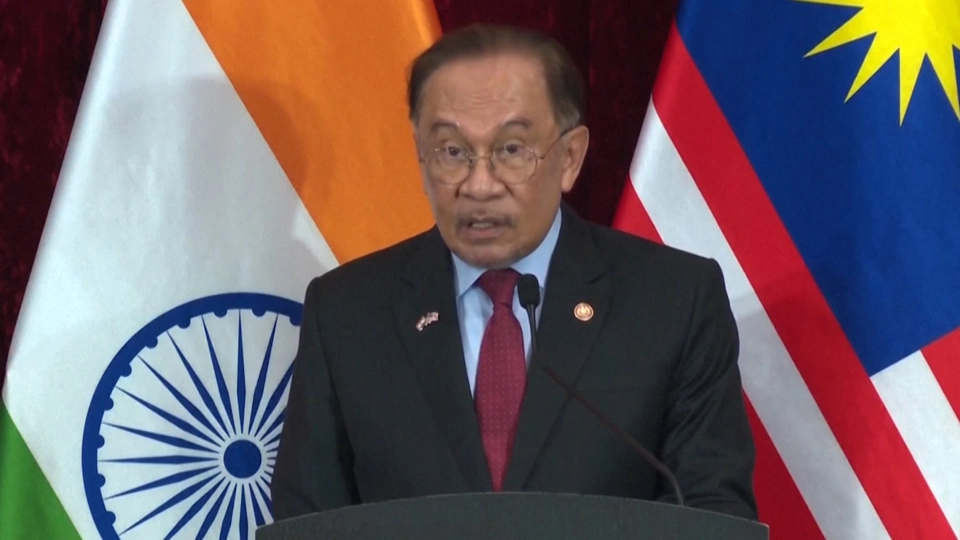 00:34
00:34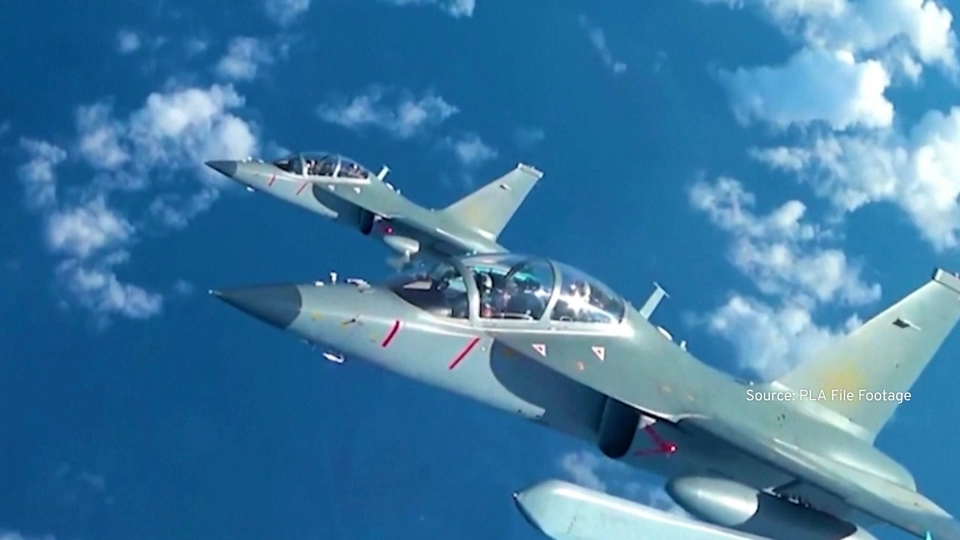 00:26
00:26 00:34
00:34 03:21
03:21