US Support for Taiwan Arms Sales Remains Firm Amid Concerns
REPORTER:
Officials in Washington say they remain committed to providing Taiwan with the weapons it needs to defend itself. That comes amid doubts about US support after President Donald Trump’s earlier comments that he had discussed arms sales to Taiwan with the Chinese leader. Our reporter Lery Hiciano has more on what this could mean.
US officials say their country’s Taiwan policy remains unchanged and a top priority, addressing fears that US President Donald Trump could undermine long-standing commitments in his upcoming visit to Beijing.
REPORTER:
Their statement comes after a Reuters report cast doubt on a second major US arms deal with Taiwan.
It said the deal of $14 billion US dollars could have to wait until after Trump’s meeting with Chinese President Xi Jinping. This led to US lawmakers to question the status of the Six Assurances – a long-standing US pledge to provide Taiwan with weapons without consulting China.
Stanley L. Brown (Senior Bureau Official, Bureau of Political-Military Affairs):
I'm not aware of any move to change the six assurances we. As part of the three communications and six assurances, we have stated that we will provide Taiwan what they need for their own self-defense in that regard. Um, just in the last 90 days, uh, in December, we notified 11.1 billion in arms sales for Taiwan. So we continue in a pace.
REPORTER:
China claims Taiwan as its territory, making arms sales to Taipei a touchy subject in US-China relations.
The Six Assurances have guided ties between the US and Taiwan since 1982. They state that Washington will not set an end date for arms sales, will not pressure Taipei to negotiate with Beijing, and will not consult China on weapons sales to Taiwan.
That’s why in February, when Trump said he was talking to Xi about arms sales, it raised eyebrows in Taiwan and the US.
REPORTER:
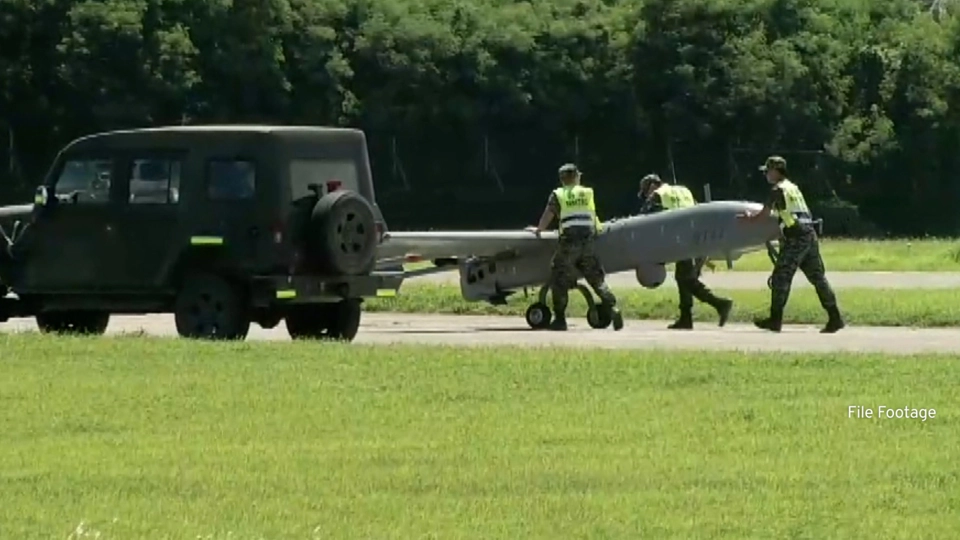
With Taiwan already awaiting tens of billions worth of arms from the US, Trump’s statements have some concerned.
Likewise, the US war in the Middle East has some worried it could affect Washington's ability to fulfill its defensive commitments, all this leading US lawmakers to ask if Taiwan remained a priority.
Michael P. Duffey (UNDER SECRETARY OF DEFENSE FOR ACQUISITION AND SUSTAINMENT):
In 2023, I signed out guidance to all the implementing agencies for military sales to prioritize Taiwan above all other requirements that remain standing guidance. So in the matter of whether there was a competition between the provision of harpoon to Saudi Arabia or to Taiwan, Taiwan would take priority and is also a capability they're working to provide to them.
REPORTER:
Taipei just finished paperwork for some weapons in a 11 billion dollar arms package and another – worth 14 billion is in the pipeline. It says talks are proceeding smoothly and they have no information regarding delays.
REPORTER:
All this comes as lawmakers in Taiwan continue to debate in the legislature over increasing defense spending. And while, US lawmakers are reaffirming their country’s support for Taiwan, people here will be paying close attention as to whether it honors it’s commitments.
Ryan Wu and Lery Hiciano, for TaiwanPlus.
[==SOT]##
---
US Policy on Arms Sales to Taiwan Unchanged Amid Political Uncertainty
==
REPORTER:
Cooperating with Taiwan on security matters and helping the country meet its defensive needs is a “top priority” for the US, two officials told a congressional panel. This comes as reports swirl around whether a major arms package could be delayed as US President Donald Trump prepares to meet Chinese President Xi Jinping in Beijing. Our reporter Lery Hiciano has more on what this could mean for future Taiwan-US arms agreements.
US Government officials say that policy towards Taiwan remains unchanged and are a top priority, tamping down on concerns that President Trump may undermine long-standing policy in his upcoming visit to Beijing.
REPORTER:
Reuters recently reported that a second major arms deal, which could be worth $14 billion US dollars, would have to wait until after Donald Trump’s trip, leading lawmakers to question officials as to what the status of the Six Assurances is.
Stanley L. Brown (PRINCIPAL DEPUTY ASSISTANT SECRETARY OF STATE FOR POLITICAL-MILITARY AFFAIRS):
I'm not aware of any move to change the six assurances we. As part of the three communications and six assurances, we have stated that we will provide Taiwan what they need for their own self-defense in that regard. Um, just in the last 90 days, uh, in December, we notified 11.1 billion in arms sales for Taiwan. So we continue in a pace.
REPORTER:
Arms sales to Taiwan are a sensitive subject in US-China relations.
The Six Assurances are a series of norms that guide relations between the US and both sides of the Taiwan Strait, dating back to 1982. As Washington sought to normalize relations with Beijing, it provided guarantees that it follows to this day, like no set date for arms sales or the US promising to not pressure Taipei to negotiate with Beijing, but most importantly, it promises the US would not consult with Beijing on weapons sales to Taipei.
In February, Trump did little to assuage fears when he said “I’m talking to him about it,” in reference to Xi and upcoming arms deals to Taipei.
REPORTER:
And then there’s concerns over the arms sales that have already been signed. There is a backlog of US weapons in the billions of dollars, and US engagement in the Middle East has led to some worries that the US is not able to meet all of its defensive commitments around the world. Lawmakers asked whether Taiwan remained a priority.
Michael P. Duffey (UNDER SECRETARY OF WAR FOR ACQUISITION AND SUSTAINMENT):
In 2023, I signed out guidance to all the implementing agencies for military sales to prioritize Taiwan above all other requirements that remain standing guidance. So in the matter of whether there was a competition between the provision of harpoon to Saudi Arabia or to Taiwan, Taiwan would take priority and is also a capability they're working to provide to them.
REPORTER:
Taipei just signed letters for an $11 billion package focused on missile systems and artillery, with the reported second package now focused on missile defense interceptors worth around $14 billion. Taipei says talks are proceeding smoothly and they have no information regarding delays.
REPORTER:
Combining with these external factors are difficult domestic political negotiations on further increases to defense spending. Washington and Taipei will surely keep a close eye on proceedings in eachother’s respective governments.
Ryan Wu and Lery Hiciano, for TaiwanPlus.
 04:02
04:02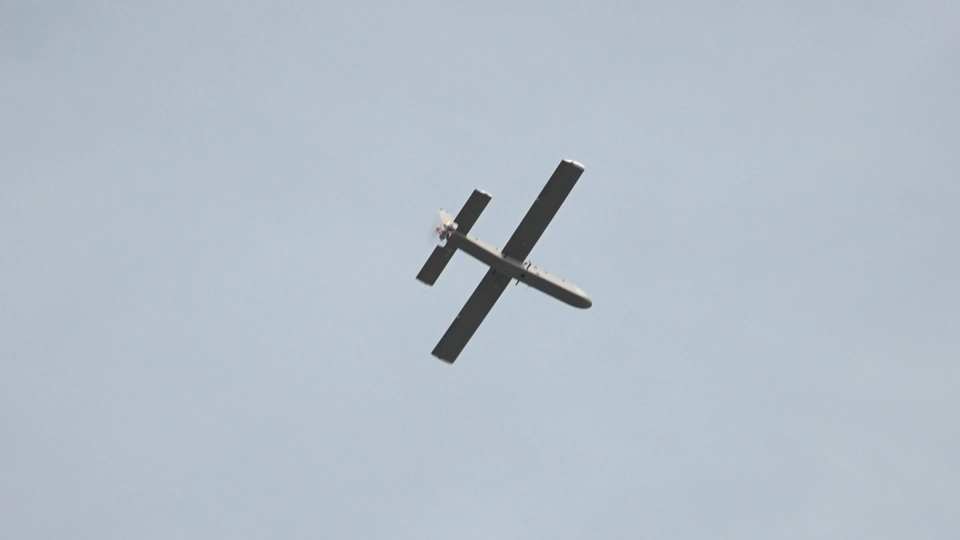 02:33
02:33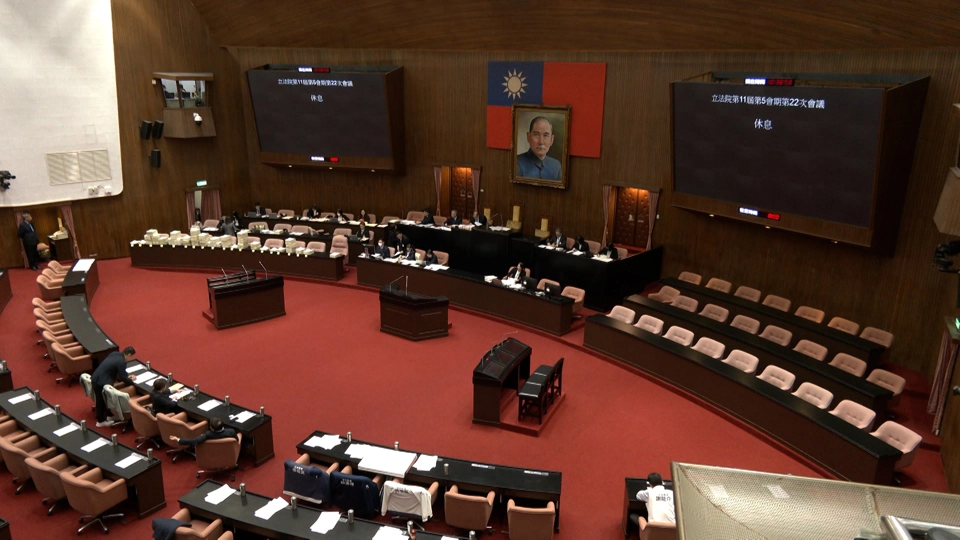 00:44
00:44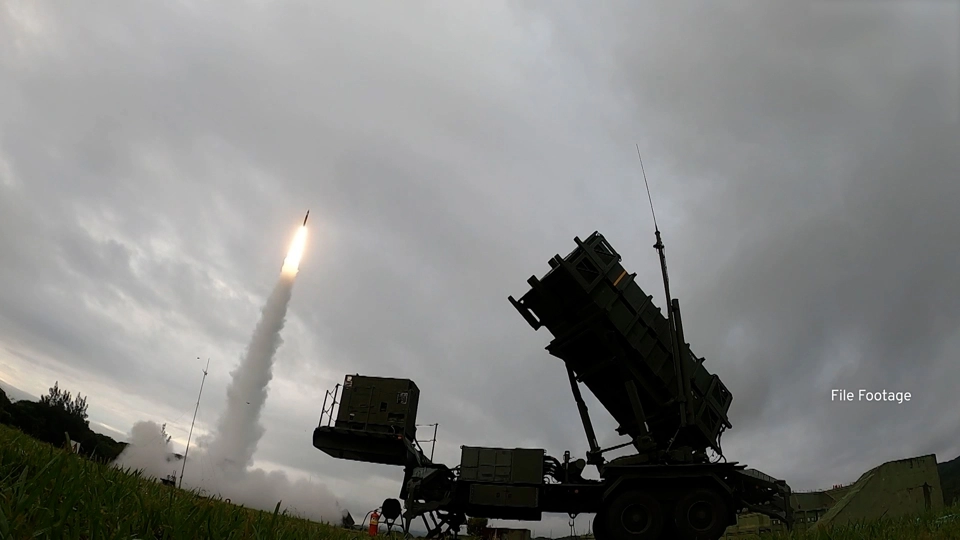 02:56
02:56 04:54
04:54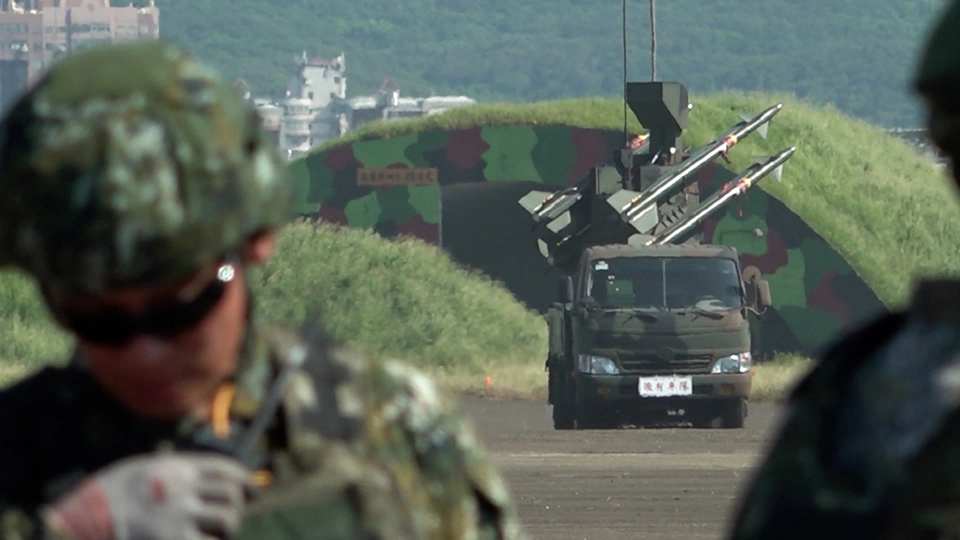 03:19
03:19 00:34
00:34 01:56
01:56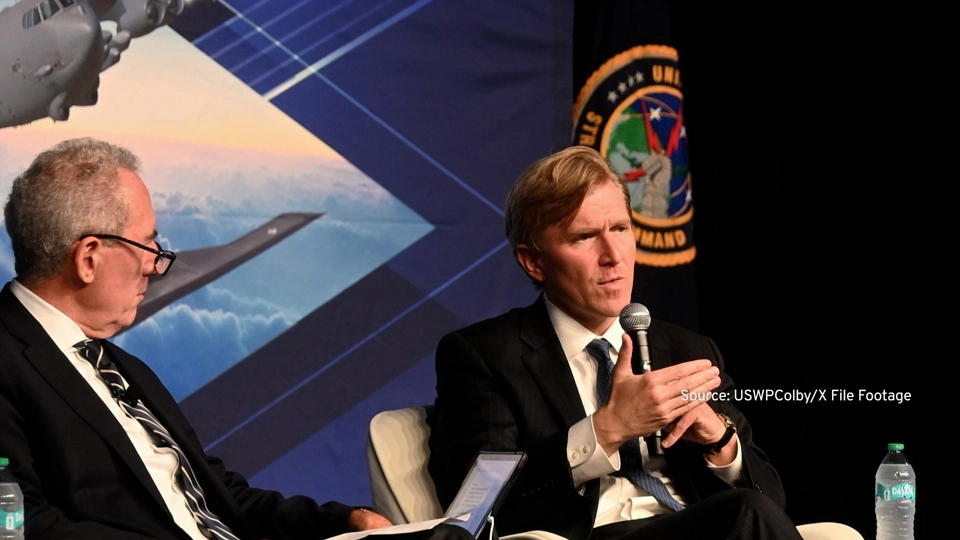 00:34
00:34 00:31
00:31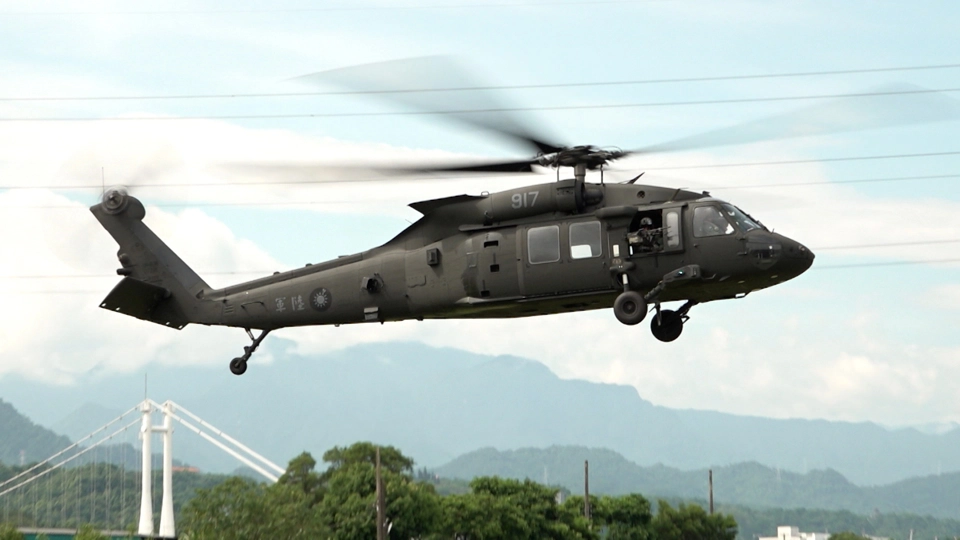 02:38
02:38 07:10
07:10 00:36
00:36 00:35
00:35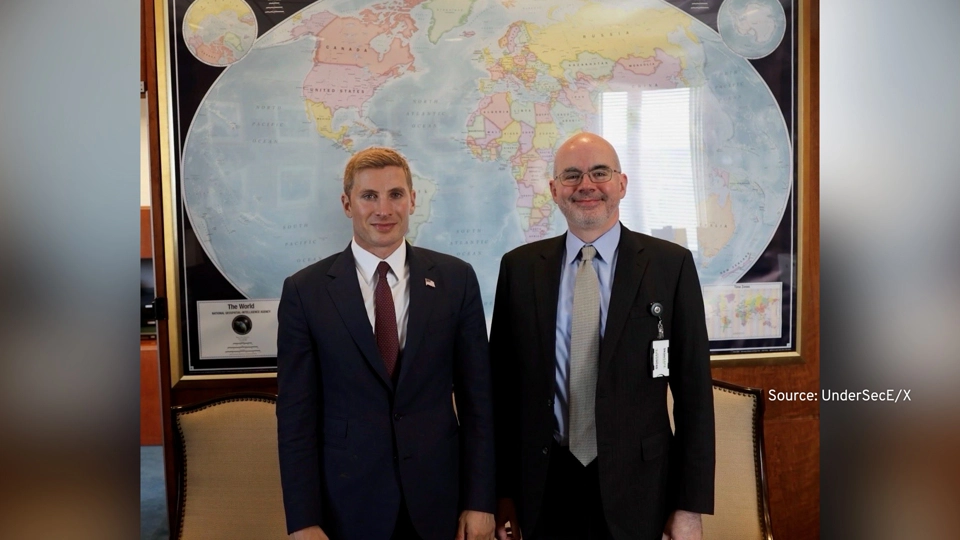 00:31
00:31 02:36
02:36