Analysis: China's Propaganda, Cultural Exchanges, and Risks to Taiwanese Identity
REPORTER:
We parsed through some 7,000 articles published by China Taiwan Net, which is a website run by the Taiwan Affairs Office under the State Council and the People's Republic of China.
And the numbers show that there's two peaks, one is around March and one is around October.
So it means that, of course, China's propaganda only shows what's favorable for China. So we could reasonably assume that there's a lot more so-called “exchange activities” that are unreported by these same media reports.
And we're trying to assess the risk that this poses to Taiwanese, not just national security, but also Taiwanese culture and Taiwanese identity.
So we did observe those two, let's say those two sides of Chinese propaganda. On the one side, it claims that, between Taiwan's people and people in China, we have so-called “common values.” These gods are all Chinese gods. And then Taiwanese people are longing to go back to the so-called “motherland” to find our roots, so to speak. On the other side, the Chinese propaganda attacks the Taiwanese government, for trying to sever that tie, using politics, using manipulation in politics.
In terms of the actual impact, this is really difficult to assess. Because from the Taiwan side, we actually encourage, healthy, cultural exchanges between Taiwan and China, right? Taiwan is a free country where democracy and we want to make friends with, people around the world. So, but we cannot overlook the risk.
We need to understand the contemporary China a lot better. The China under the rule of Chinese Communist Party.
If we were to engage with China and Chinese communities, with that knowledge, there is less risk of us being, influenced, without us knowing.
Both civil society and governments are responsible for raising awareness and raising the literacy on China.
And of course, strengthening the legal frameworks.
These are not partisan issues in our eyes. These are common issues. These are national issues that need cooperation from all parties.
 03:34
03:34 00:31
00:31 00:35
00:35 00:42
00:42 02:54
02:54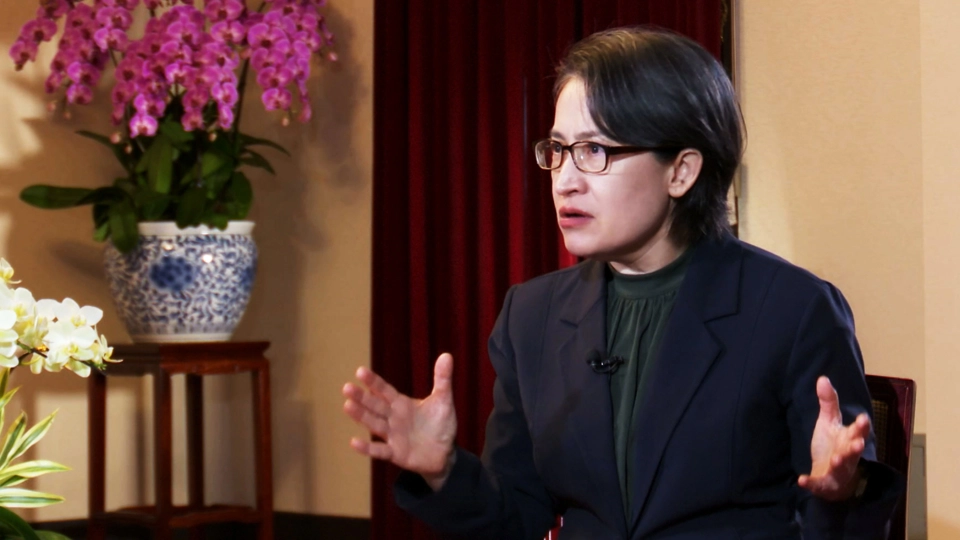 00:52
00:52 02:33
02:33 04:03
04:03 03:00
03:00 01:12
01:12 02:27
02:27 02:16
02:16 00:34
00:34 00:26
00:26 00:34
00:34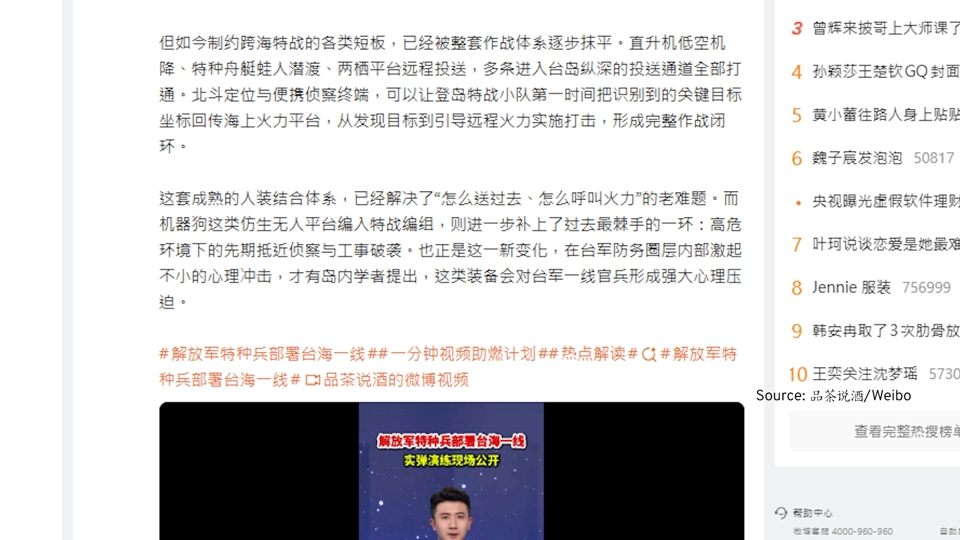 03:21
03:21