**INFORMATION WARFARE: How Authoritarian States Use AI to Undermine Democracy**
REPORTER:
From social media influencers to AI-generated content, information warfare is top of mind here in Taiwan. And now with more tools at their disposal, authoritarian governments are going all out to turn the story in their favor.
At a forum in Taipei, experts warn it’s not just Taiwan in their sights. They say countries like Russia and China flood social media with their own narratives, using AI to spread them far and wide.
Nataliya Butyska (SENIOR FELLOW, NEW EUROPE CENTER):
Very often these are the same articles simply translated into different languages, and this huge amount of content is generated not for people, but to get into the results of AI chatbots.
REPORTER:
One of the companies researchers say is engaging in this kind of activity is China’s state-backed GoLaxy. They say it’s completely automated the misinformation and disinformation process, spreading pro-China messages around the world. And they say these efforts and Beijing’s targeting of Taiwanese influencers lay the groundwork for its attempts to sway public opinion.
David Bandurski (EXECUTIVE DIRECTOR, CHINA MEDIA PROJECT):
China is building this infrastructure and knows influencers are important and is trying to train and attract Taiwanese influencers.
which is all about the whole of society approach that China now has toward its external propaganda and influence in all this.
REPORTER:
And those efforts seem to be growing. In 2025 alone, Taiwan identified 45,000 fake social media accounts spreading more than 2.3 million pieces of disinformation, much of it aimed at lowering confidence in Taiwan’s democracy. And as more people turn to social media to get their news, what’s already a big problem could get even worse.
Eric Hsu (RESEARCHER, DOUBLETHINK LAB):
It starts to use those existing domestic issues because they know the democratic society has its own existing conflicts and, uh, polarization. So they choose to trigger people's anger use using those half false, half truths, lack of context content to make us distrust each other. Making us think democracy is useless.
REPORTER:
And these information campaigns are not just limited to the voting public. The country’s troops are also at high risk. Videos and other online content persuading troops not to fight in a potential Taiwan Strait conflict have become a big worry for defense officials, especially as cases of Chinese spying in Taiwan’s military spike.
REPORTER:
Experts at the Taipei forum say there are several ways democracies like Taiwan can push back against information warfare. They suggest things like funding citizen journalism and better educating people about misinformation to proactively counter authoritarian infiltration.
 02:54
02:54 01:07
01:07 03:19
03:19 03:49
03:49 03:59
03:59 02:12
02:12 00:48
00:48 02:22
02:22 00:22
00:22 02:31
02:31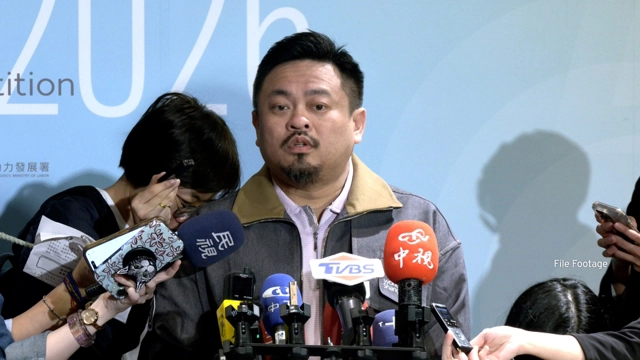 00:35
00:35 00:37
00:37 00:26
00:26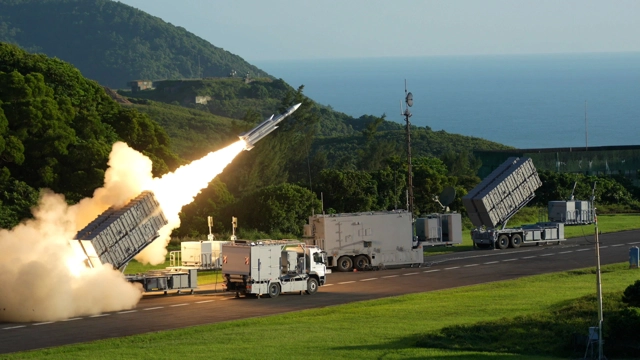 00:49
00:49 00:39
00:39 00:27
00:27