Lai Proposes New Subsidies To Turn Around Taiwan’s Birth Rate Crisis
By Patrick Chen/Irene Lin/Tiffany Wong
President Lai Ching-te has called Taiwan's fertility crisis a “national security issue” and proposed new monthly subsidies of around US$150 per month for all children through age 18. But policy experts warn cash incentives alone may not solve deeper problems facing young families. Some say long working hours, career pressures and a lack of work-life balance are major reasons many Taiwanese are delaying or avoiding parenthood.
Taiwan’s population of 23 million is shrinking, thanks to one of the world’s lowest birthrates, and the government says that’s a big problem.
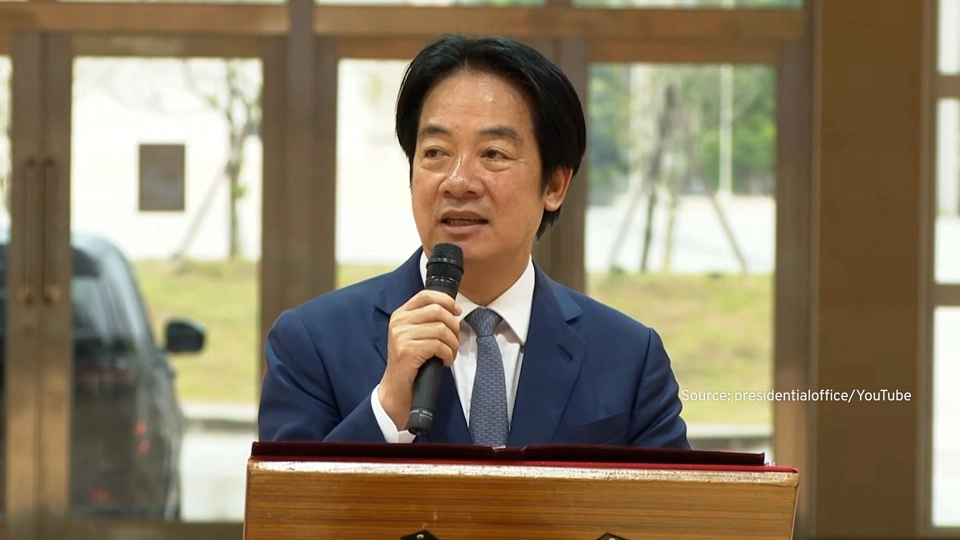
Lai Ching-te, Taiwan President:
The low birthrate is a national security issue so we need a national-level strategy to address this problem.
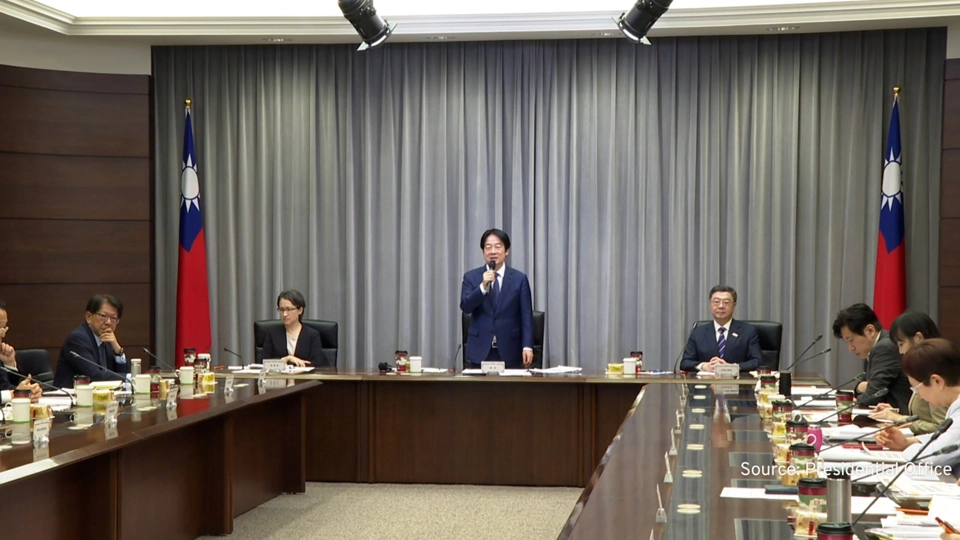
In an address marking two years in office, Taiwan President Lai Ching-te announced expanded subsidies of about $150 US dollars per month, per child through the age of 18. He says this will help lessen the financial burden parents face.
While some childcare policy experts welcomed the move, others said that a cash subsidy could actually make things worse for some parents.
Li Ting-hsin, Childcare Policy Advocacy Alliance:
If a cash subsidy is implemented hastily without other measures to go along with it then it’s likely that women with lower education levels, unstable employment and lower incomes will end up becoming stay-at-home caregivers.
This policy advocate says a similar subsidy in Poland had limited results in boosting the birthrate and even reinforced traditional gender roles.
But the biggest cost of having children may not be money. Some young Taiwanese brought up concerns about the toll raising kids takes on their personal lives and career ambitions.
I think money is one factor, but I think the bigger factor is the mental and emotional investment required to raise children.
People nowadays might feel their lives are already busy and want to go travel so they may have even less energy for their children.
I think there are bound to be trade-offs. But I personally feel that having your own life, your own priorities and work gives you more of a sense of accomplishment than having a family and children.
This way, you don’t really have to put your entire life into your family and say you couldn’t do what you wanted to do.
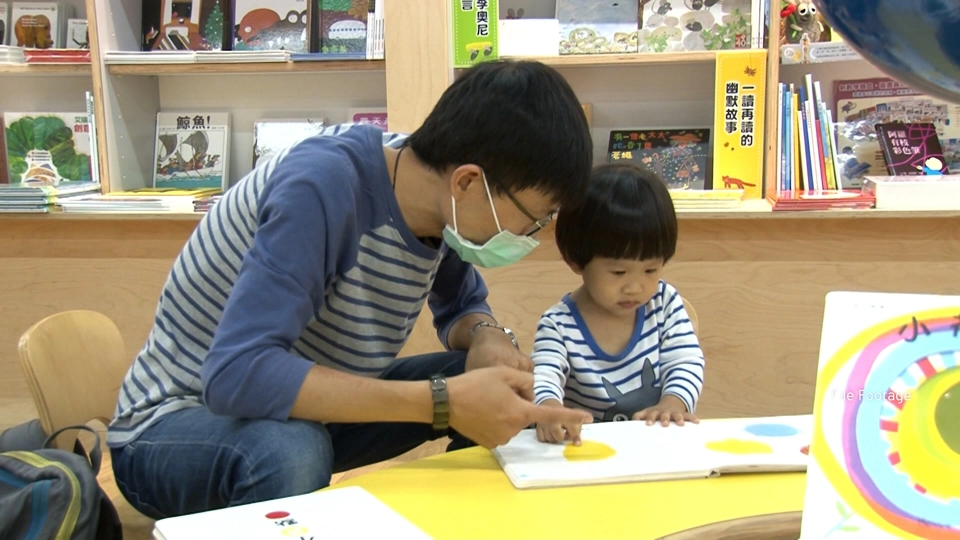
Policy advocates agree that giving prospective parents the time to be parents is one of the most important factors in increasing the birthrate. Known as “time poverty,” it affects families disproportionately and is something that money can’t fix.
Li Ting-hsin, Childcare Policy Advocacy Alliance:
The younger generation isn’t just facing the question of having enough money to raise children. Actually, what they’re really worried about is after having a child, will I be able to balance work and family? After having a child, will I have time to spend with or raise my child?
The government has plans to improve work-life balance and to encourage workplaces to offer flexible childcare leave policies.
And the labor ministry says it’s working on giving funding to companies to compensate for the lost labor when parents take leave.
But until these prospective parents see real change, young people will keep thinking seriously about whether or not they even want to have children.