Tougher Penalties Proposed for Military Espionage and Disloyalty in Taiwan
REPORTER:
Up to seven years for pledging allegiance to the enemy. Up to 10 for failing to carry out one’s duties and surrendering to the enemy. These are just some of the amendments Taiwan’s Cabinet announced today to combat enemy infiltration of Taiwan’s armed forces.
Michelle Lee, CABINET SPOKESPERSON:
This round of amendments adds penalties for unlawful participation in organizations and imposes punishments on intermediaries. It also increases penalties for active-duty personnel and civil servants who violate the National Security Act as well as service members, both active and retired, who violate their loyalty oath.
Earlier this year, President Lai Ching-te led a national security meeting where the government identified key national security threats and proposed numerous countermeasures. The Cabinet says these new amendments are in line with these goals.
Ming-shih Shen, DEFENSE ANALYST, INDSR:
It primarily targets cases in recent years of retired or active-duty military personnel who have been found to have either signed non-resistance pledges or leaked classified information violating national security laws.
REPORTER:
And the proposed penalties show just how harshly the administration sees these crimes. Pledging loyalty to the enemy — such as promising to not fight against China in an invasion — would now lead to up to 7 years in jail.
Surrendering to the enemy — 3 to 10 years in jail. Conspiring to do so — up to 5 years. And retired personnel convicted would lose their benefits and pensions.
Ming-shih Shen, DEFENSE ANALYST, INDSR:
However, I think people are becoming more and more vigilant in this matter which is why there are more and more cases of espionage being halted or reported.
REPORTER:
These proposed amendments follow a jump in spying cases these recent years. The Mainland Affairs Council reports that the number of cases doubled from 2023 to 2024, and increased six-fold from the year prior to that.
The plan now is for the Cabinet to send the proposal to lawmakers to vote on. Some opposition legislators have already expressed concerns, saying the new laws could be used to restrict freedom of speech. But those in the ruling party say the main focus is ensuring national security.
John Su and Lery Hiciano, for TaiwanPlus.
 04:02
04:02 00:31
00:31 02:54
02:54 02:33
02:33 04:03
04:03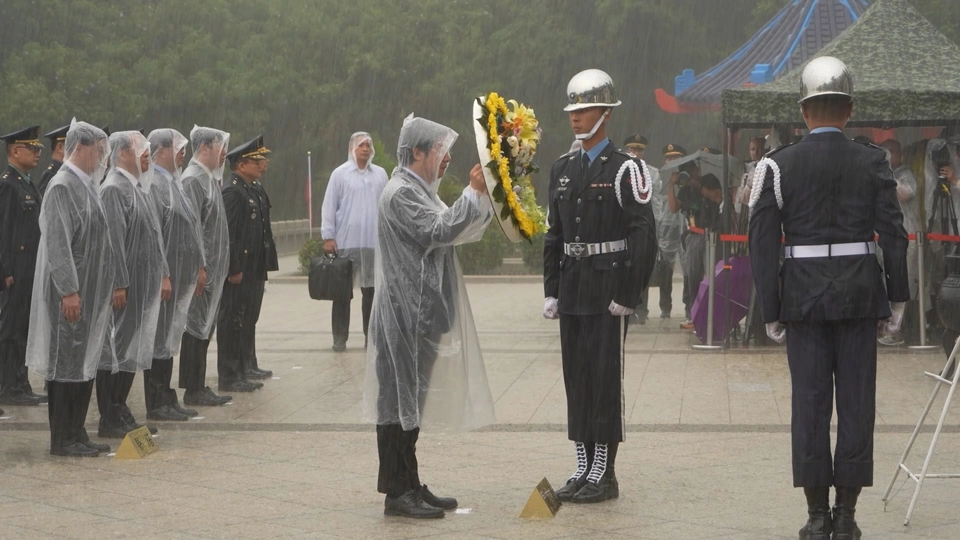 03:00
03:00 00:26
00:26 00:35
00:35 03:03
03:03 02:56
02:56 00:27
00:27 00:26
00:26 00:33
00:33 03:21
03:21 03:19
03:19 03:23
03:23