Taiwan’s Unofficial Coordination With Japan and the Philippines
REPORTER:
How has Taiwan's regional engagement, that's countries like Japan, the Philippines, Asean nations, changed in recent years, especially in the last year under President Lai
Ja Ian Chong (ASSOCIATE PROFESSOR NATIONAL UNIVERSITY OF SINGAPORE):
Taiwan has always engaged quietly in an unofficial manner. Apparently, there has been more conversations with Japan and the Philippines in particular.
A lot of this has to do with increasing concern about PRC pressure, you know, on the so-called first island chain that could affect the interests of all these parties.
REPORTER:
Do you anticipate, given the tensions between Japan and China, China and the Philippines, any changes to Taiwan‘s Security cooperation with regional neighbors? Especially in the absence of formal diplomatic ties between Taipei, Manila and Taipei and Tokyo.
Ja Ian Chong (ASSOCIATE PROFESSOR NATIONAL UNIVERSITY OF SINGAPORE):
A lot of this has to do with the recognition, on the part of the Philippines that geographically, they're right next to Taiwan. Any instability in Taiwan could quickly spill over. Likewise, Taiwan realizes that with the Philippines just to its south and the rising tensions in the South China Sea, any escalation could easily move north as well. The similar logic applies to Japan.
So these considerations have driven Manila, Tokyo, and Taipei to be a lot more aware of each other and a lot more aware of the need to at least understand what each other's positions are.
Lots of things don’t need formal diplomatic ties. So Taipei and Tokyo have had long-standing close but unofficial ties. Same thing with Washington. Ties with the Philippines have only more recently been revitalized.
REPORTER:
What do you see as likely indicators of future shifts in security policy in the region?
It's a matter of wanting to keep themselves and their interests safe. And there seems to be reason to look at what each other are doing, more so now than ever.
Ja Ian Chong (ASSOCIATE PROFESSOR NATIONAL UNIVERSITY OF SINGAPORE):
Indicators would possibly be more robust and sophisticated forms of coordination. If the different parties, Japan, Taiwan, the Philippines, speak with each other not just bilaterally, but on a multilateral basis. Perhaps if they bring in other actors that have deep interest in the region as well.
The coverage of the missiles and equipment, aircraft, etc., overlap suggests that there is a recognition that having an extended forward line of defense may be important, and that may mean that Taiwan features more highly in Japanese and Filipino considerations.
 04:02
04:02 00:31
00:31 02:54
02:54 02:33
02:33 04:03
04:03 03:00
03:00 00:26
00:26 00:35
00:35 03:03
03:03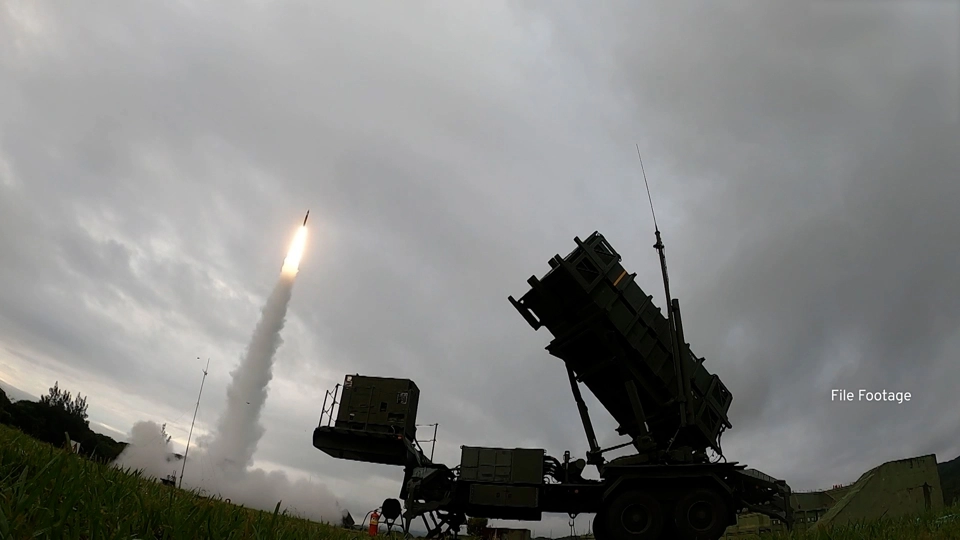 02:56
02:56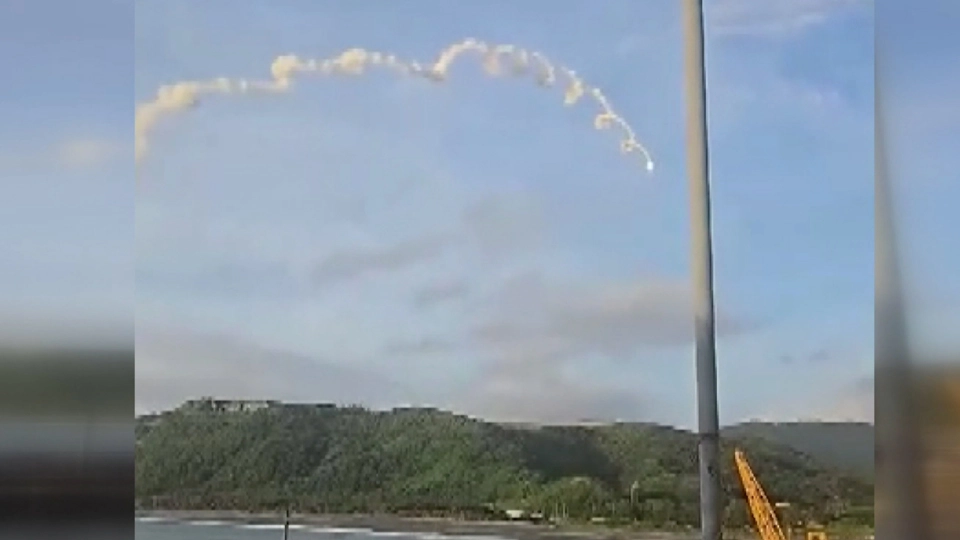 00:27
00:27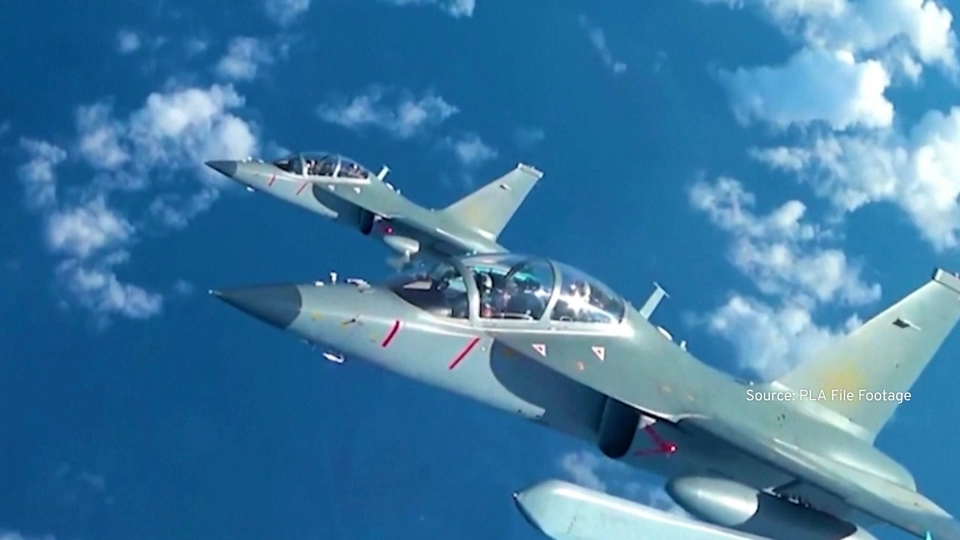 00:26
00:26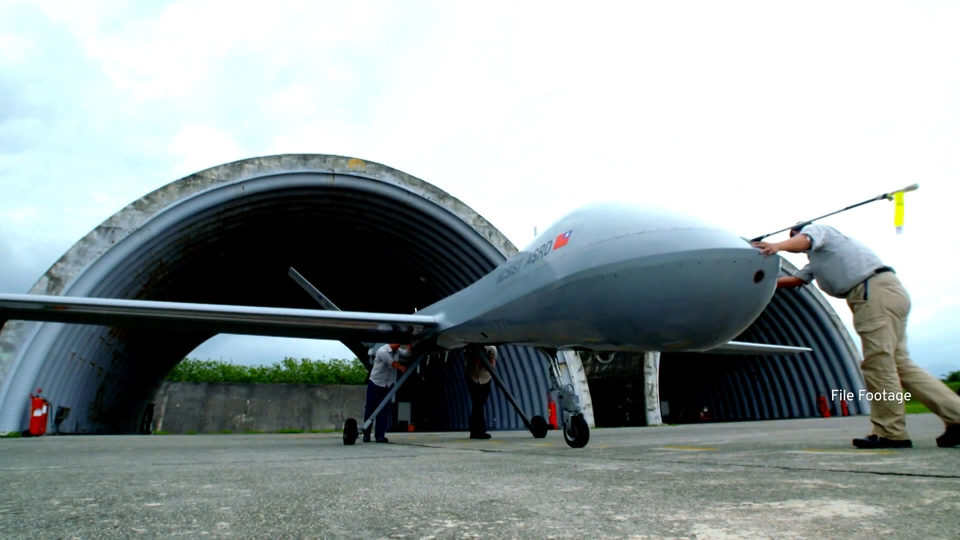 00:33
00:33 03:21
03:21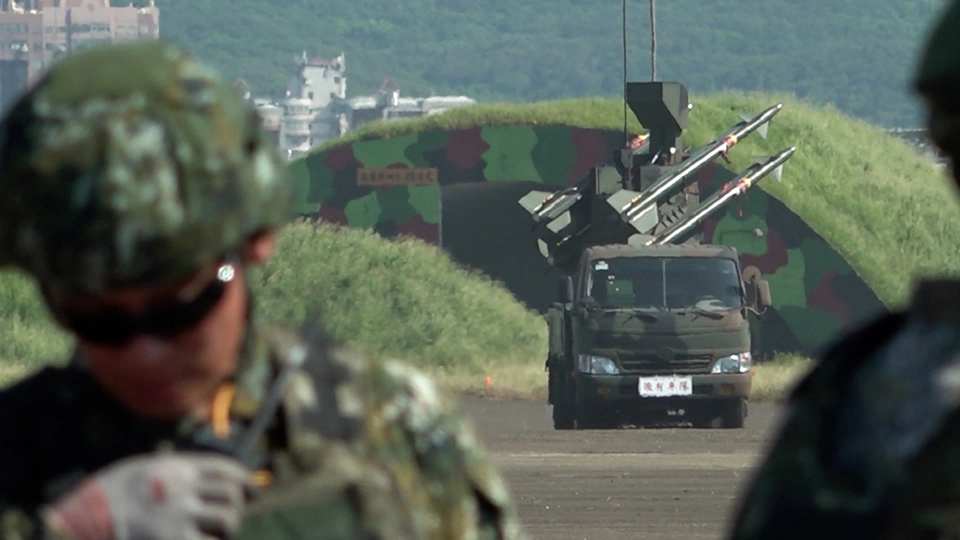 03:19
03:19 03:23
03:23