Taiwan’s Military Modernization
REPORTER:
The defense ministry says it has set up an AI project office for the military. What do you expect this new AI office to focus on?
I think a big thing that this office should focus on is making sure that Taiwan has a better integration of artificial intelligence when it comes to identifying, surveilling and doing reconnaissance on whatever kind of PLA or Chinese related drones might be coming into Taiwan, sort of territorial waters, which is a real possibility in the future.
The other thing that this office could do, too, is ensuring that Taiwan is quickly able to integrate its different sort of joint operation, common operation picture, to be able to better sort of assess a battlefield, figure out what it needs to do next, that kind of thing.
Having an AI office of MND allows Taiwan to be able to do faster, quicker and more efficient and allows more soldiers, airmen, Marines, sailors, etc. policemen, in the case of Taiwan to focus on, you know, other sort of tasks related to what their basic sort of skills are for whatever service branch they're in.
REPORTER:
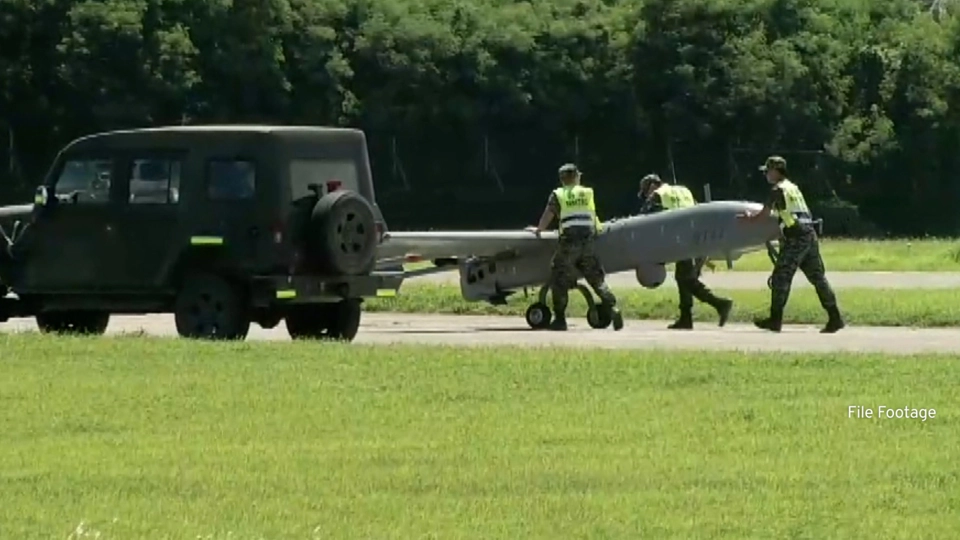
Another important development is Taiwan’s establishment of dedicated drone units. How do you view the significance of formally bringing drones into military service?
So one, Taiwan needs to have a better understanding of what are the tactics, techniques, procedures that come with engaging in drone warfare in today's day and age.
I think the most important thing is making sure that Taiwan is able to use UUVs, USVs, and UAVs that are longer range to keep PLA forces at bay, as long as they can possibly be kept at, or keep the fight away from the Taiwan main island as long as possible.
I also think that one of the things that Taiwan's going to need to do, as it sort of ramps up its significance of formally bringing drones into military service, is making sure that they are producing more drones. And that includes a lot of the back end non-sexy policies related to defense, industrial base sort of issues around drones. And given that drones are a dual use capability, right. Taiwan has a really interesting economy that can sort of pivot from one to the other.
REPORTER:
In your view, how can Taiwan best integrate AI and drones for use on the battlefield?
I think the key for integrating AI and drones into the battlefield, first and foremost, as I alluded to earlier, is making sure that you're integrating UUVs, USVs and UAVs that are longer range that can keep the fight away from the main island.
And that doesn't just range from using drones, you know, that can sort of launch on [by] themselves and whatnot. It also could be as simple as having a Taiwan Navy sailor operating from aboard a small vessel, a counter drone gun that could protect their own ship. Right. Or, one of the first-person-view FPV drones or whatever, that might have a tether or something like that from aboard their vessel themselves physically, not just the autonomous piece of it.
The last thing I would talk about when it comes to integrating AI and drones, and specifically artificial intelligence or autonomous weapon systems and counter drones is most important.
Putting a very strong premium on counter-drone and hardening bases is going to be really key. So making sure that Taiwan has all the counter-drone capabilities it can muster for every defensive facility or every key government facility is going to be really important going forward, because I think that that's the bigger vulnerability.
 04:02
04:02 00:31
00:31 02:54
02:54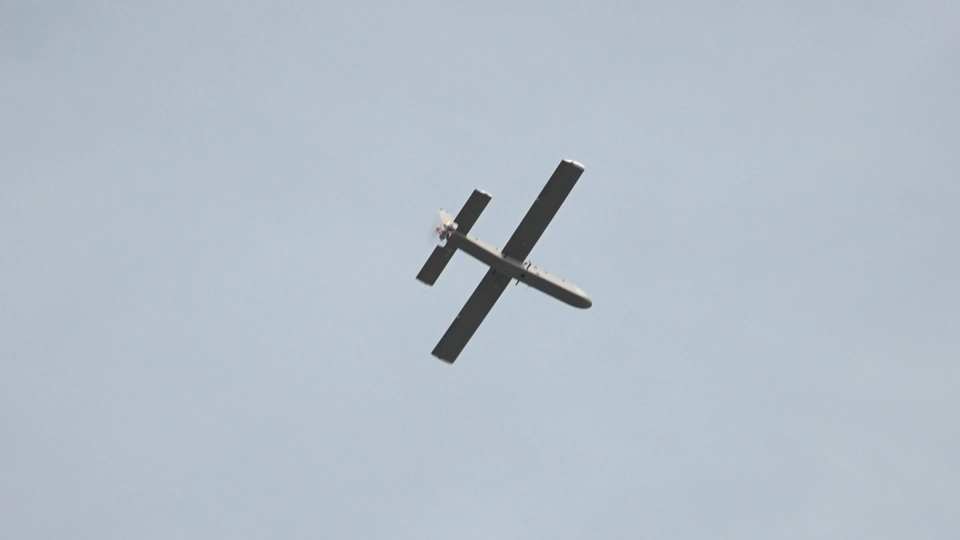 02:33
02:33 04:03
04:03 03:00
03:00 00:26
00:26 00:35
00:35 03:03
03:03 02:56
02:56 00:27
00:27 00:26
00:26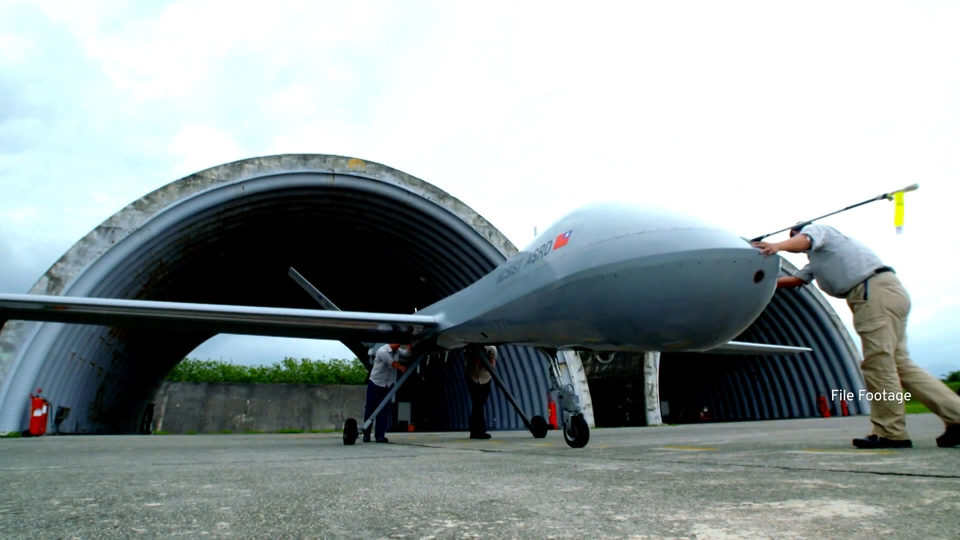 00:33
00:33 03:21
03:21 03:19
03:19 03:23
03:23