Taiwan Steps Up Military Readiness With Latest Drills
REPORTER:
This month, all three branches of the military held their own training exercises. Our reporter Lery Hiciano has more on why they are drilling and what it means for the future of Taiwan’s defense.
REPORTER:
An uncommon sight on Taiwan’s roadways. Battle tanks, mechanized infantry, part of three defense exercises in October, just a few months after the military held its Han Guang drills. This year, the largest and longest ever.
This week marked the Army’s first Lu Sheng Exercises, focused on commanding soldiers in the field effectively and fighting in cities.
Watching over the drills was President Lai Ching-te.
Lai Ching-te (TAIWAN PRESIDENT):
Through mock combat exercises units can check whether troops can take initiative and respond quickly under extreme conditions.
REPORTER:
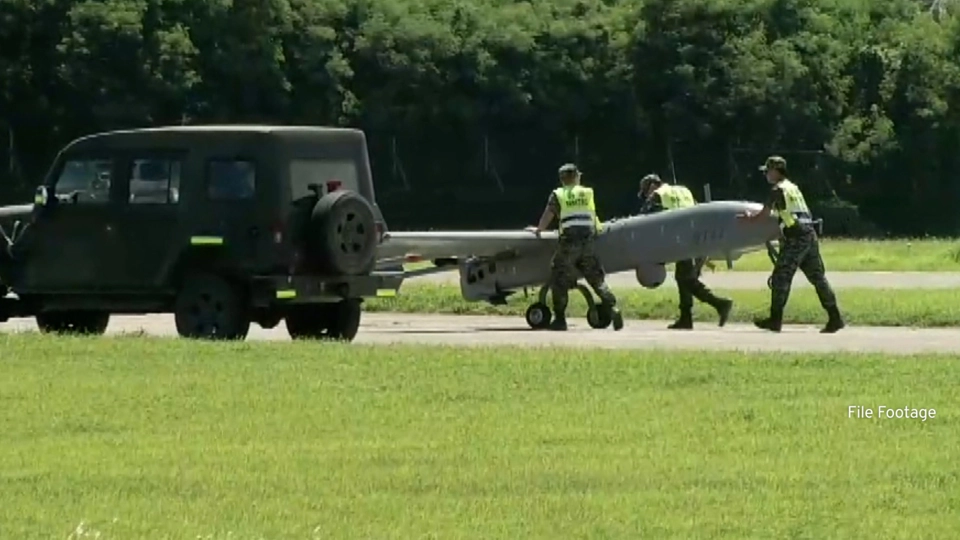
On the ground, in the air, and at sea, Taiwan’s defense personnel are training to counter a threat from across the strait.
This year, the exercises are broader, more frequent, and reflect concerns about China’s increasing military pressure on Taiwan, its daily incursions into the air and waters around Taiwan, and its own large-scale military exercises nearby.
In addition to the Lu Sheng exercise, the air force held another round of Tian Long aerial combat training drills for its pilots.
And two weeks ago, the Navy wrapped up its annual Hai Chiang Exercises, practicing for a critical moment in the event of a potential conflict – when does a commonplace incident – like an ADIZ incursion – become something more serious?
It’s a scenario analysts both in Taiwan and abroad are thinking about.
Peter Mattis (PRESIDENT, THE JAMESTOWN FOUNDATION):
If you have to get used to this high level of activity, right. You can't live your life in fear every single day, right? So you start you start kind of phasing these things out of your mind, not thinking about them.
And one of the features of what plays to Beijing's strengths is if they can delay the response of Japan, of the United States to give themselves more time to act. Right. So that's what's really dangerous about those things, is that it's it's lulling us into complacency about what's normal.
REPORTER:
Annual large-scale exercises by China’s navy and air force present a similar risk.
Yuster Yu (SENIOR ADVISOR, ISCANN GROUP):
It is extremely difficult, if not impossible, for us to avoid being caught by surprise or unprepared because this is in the human nature.
So in a large scale joint exercise, everything would look like how they would conduct a real invasion or real combat operations. And then, uh, we would be would be we'd be desensitized. That its okay. They do that all the time.
REPORTER:
Drills that emphasize combat readiness, tactical flexibility, and defensive capabilities are the armed forces’ answer to these questions. “Asymmetric warfare” - how a smaller country can use its natural advantages against a much larger force – has become one of the central tenets of military planning under President Lai.
Lai Ching-te (TAIWAN PRESIDENT):
[With] asymmetric warfare and continuous resistance commanders at all levels guided by a strategy of attrition
REPORTER:
These latest drills, along with new weapons and an increased military budget, all point to a country that is committed to defending itself. But the question now is whether that’s enough to keep China at bay.
Scott Huang and Lery Hiciano, for Taiwan Plus.
 04:02
04:02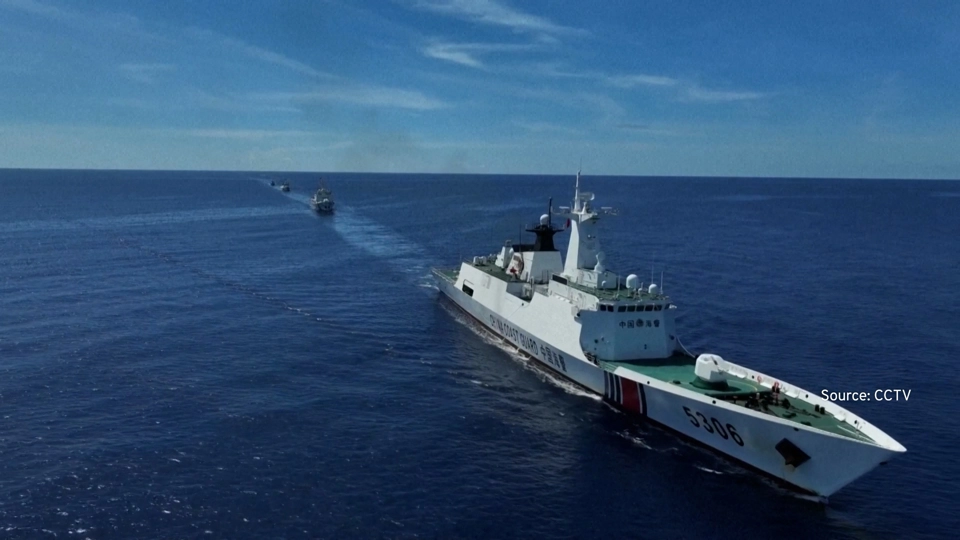 00:31
00:31 02:54
02:54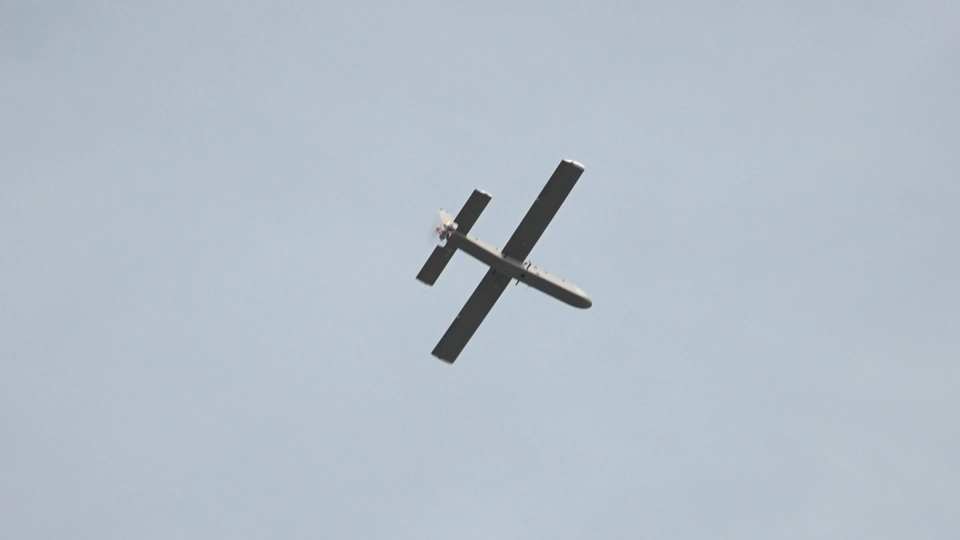 02:33
02:33 04:03
04:03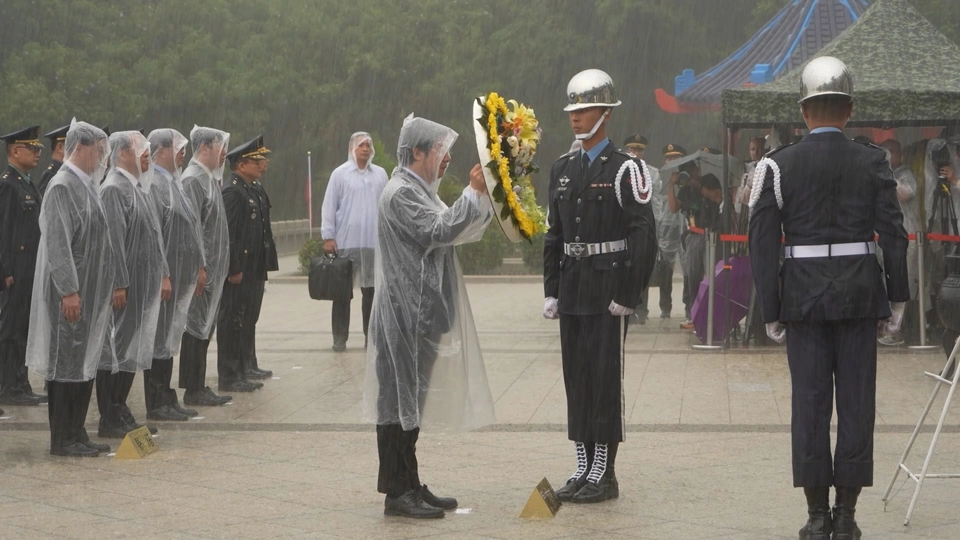 03:00
03:00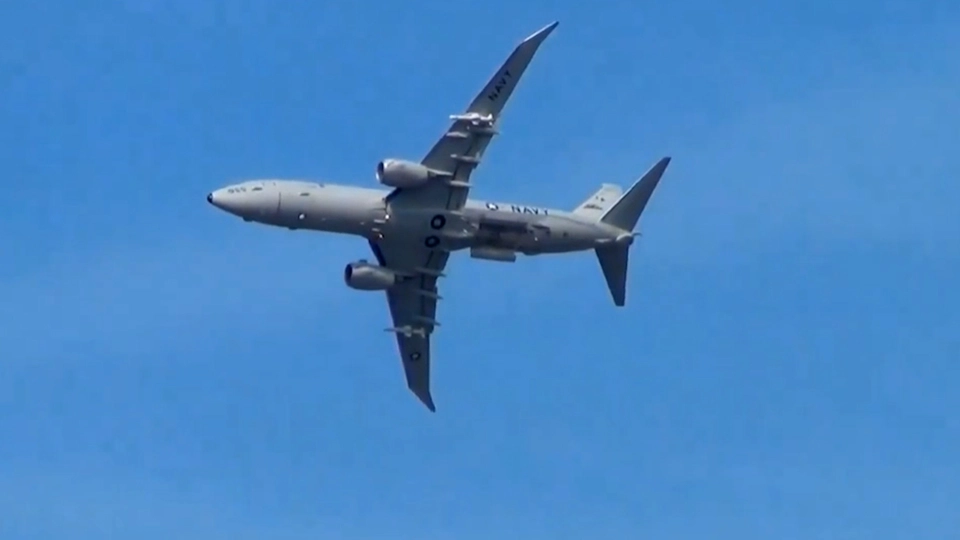 00:26
00:26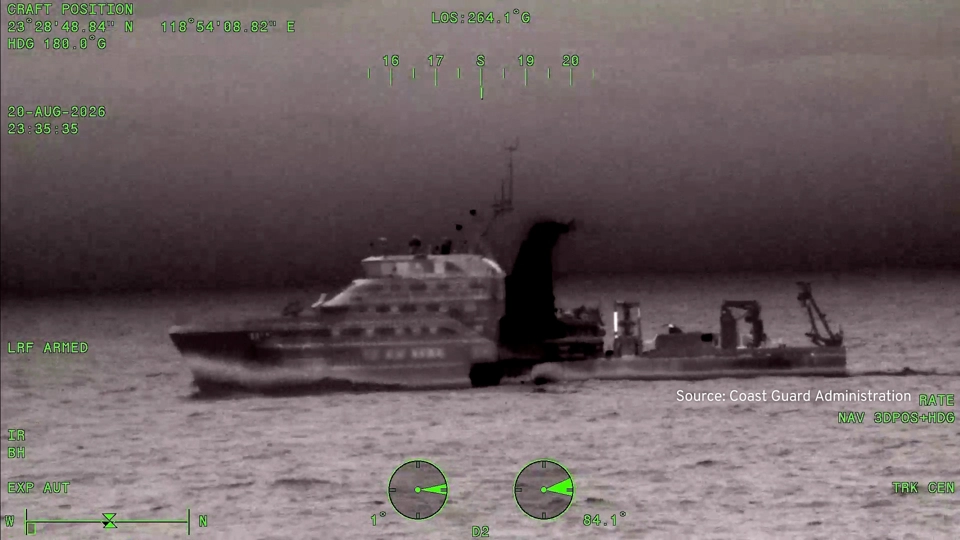 00:35
00:35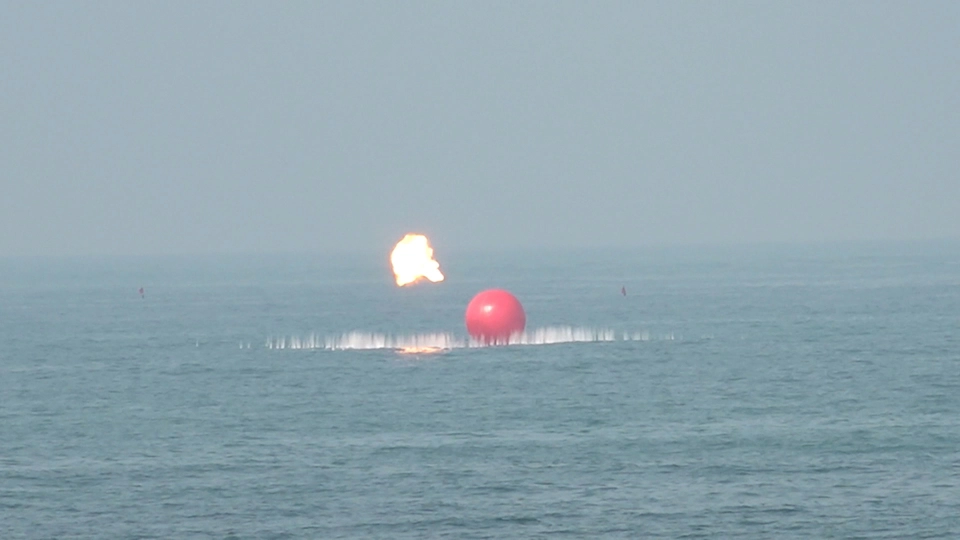 03:03
03:03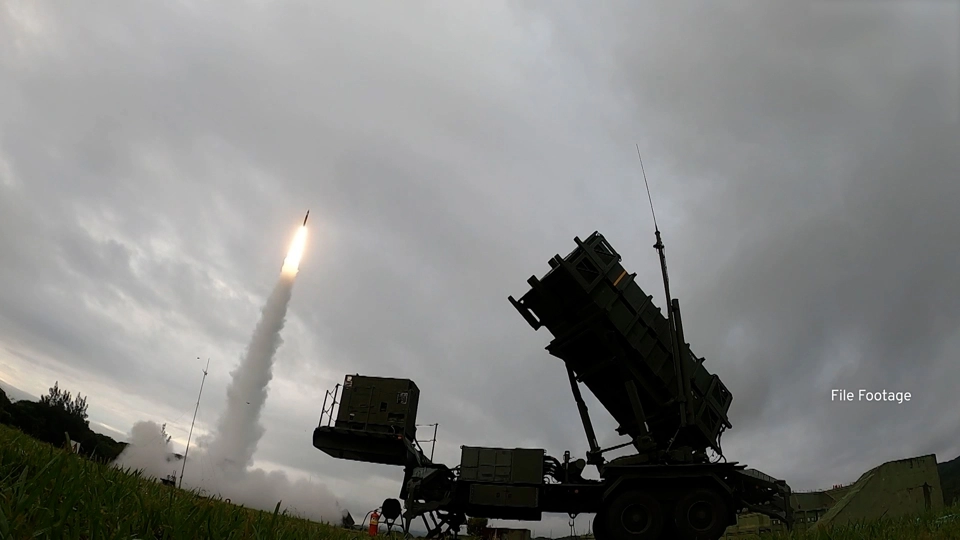 02:56
02:56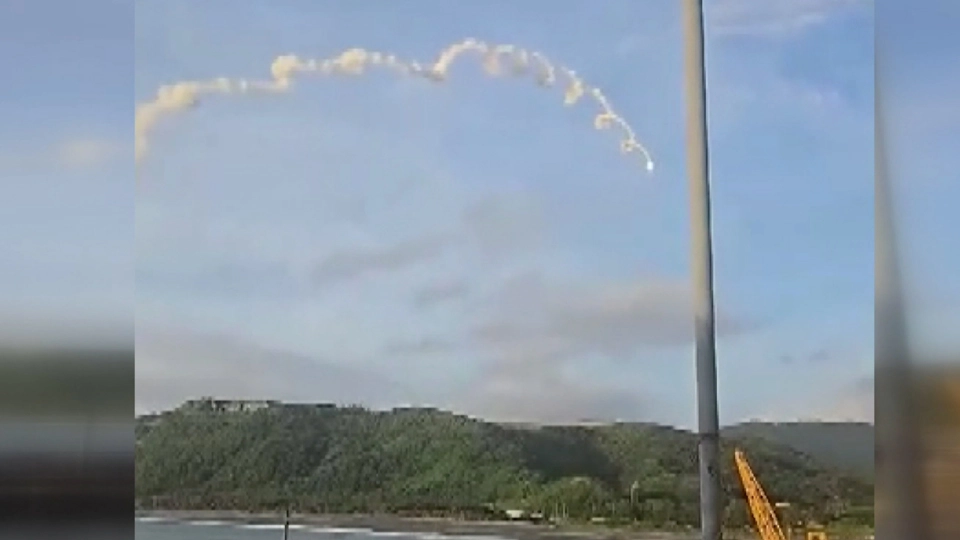 00:27
00:27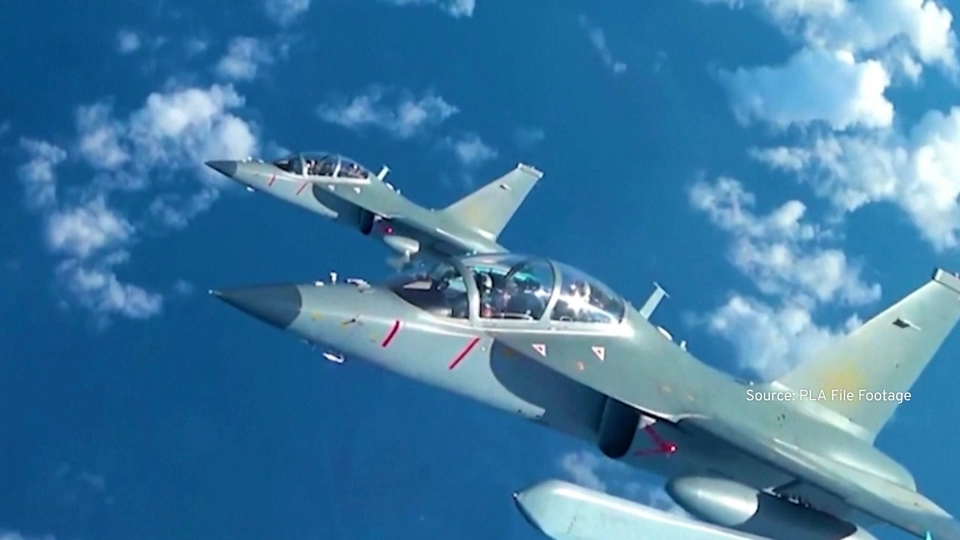 00:26
00:26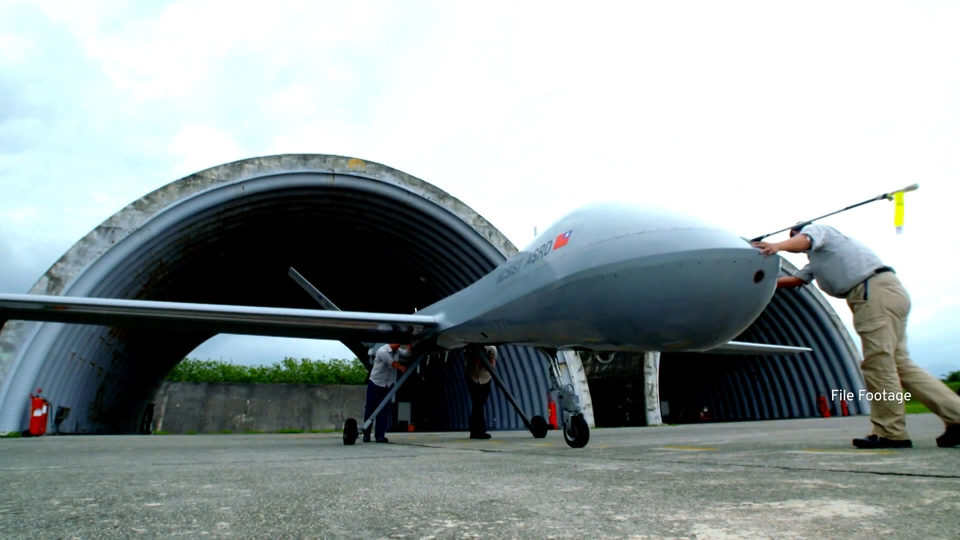 00:33
00:33 03:21
03:21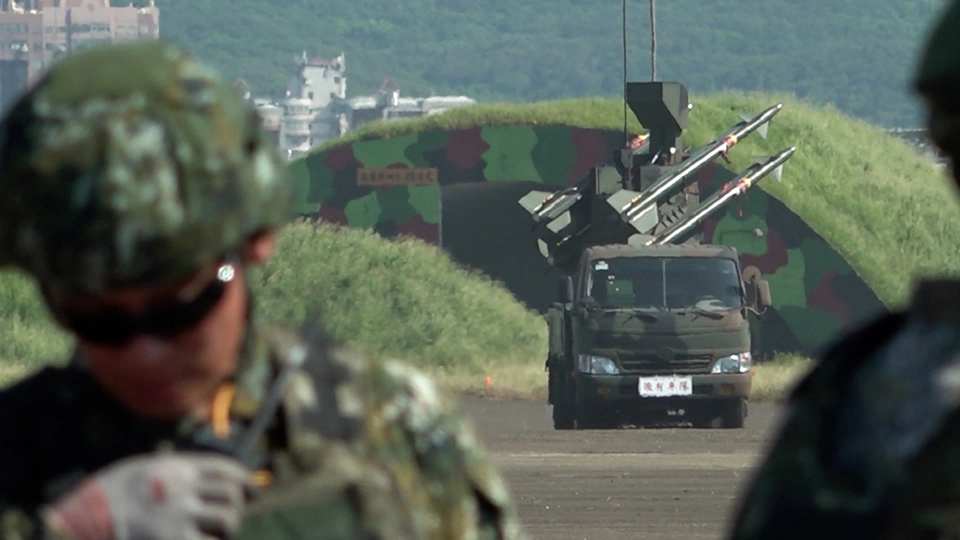 03:19
03:19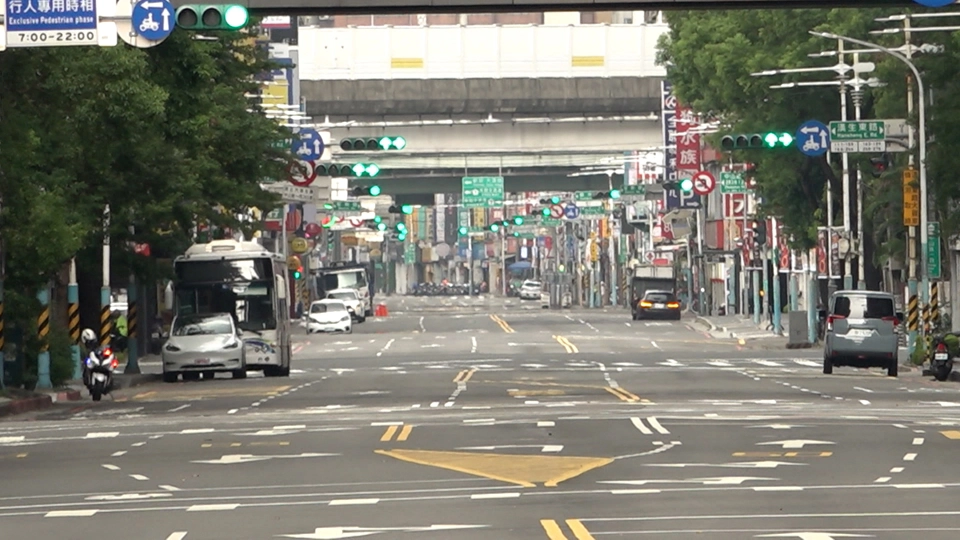 03:23
03:23