Taiwan’s East Coast Strategic Edge Fading, Civilian War Game Warns
REPORTER:
Kneeling position, ready!
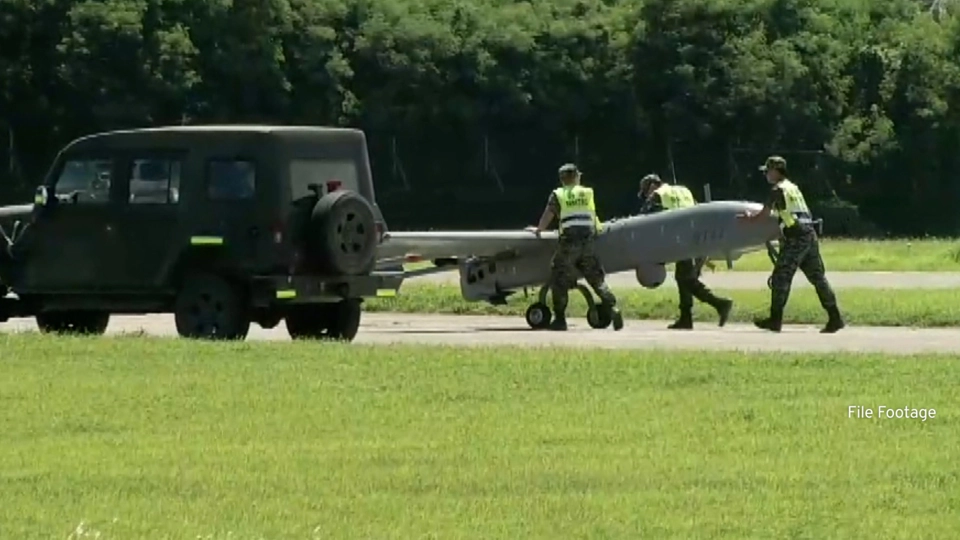
In front of Taiwan President Lai Ching-te, soldiers shoulder domestically made rocket launchers, while another group trains with drones, showcasing their proficiency with these new weapons.
The president was visiting troops in southern Taiwan to boost morale and inspect training efforts.
Lai Ching-te (TAIWAN PRESIDENT):
Security challenges in the region are growing complex.
We must build a strong and resilient national defense system.
I am confident as long as we work together with close cooperation between the military and the people we can use our strength to secure lasting peace.
REPORTER:
But true peace also requires a solid defense strategy.
A recently-released report from Taiwan’s first civilian-organized, high-level war game on Taiwan Strait defense, held in June, suggests that Taiwan’s natural defensive advantage in the east has been diminishing in recent years as China demonstrates the ability to deploy forces there.
Ret. Adm. Lee Hsi-min (FMR. CHIEF OF THE GENERAL STAFF):
To the east, [the Chinese military] has plenty of resources at its disposal.
Aircraft carriers, bombers, submarines.
All of them can launch cruise missiles.
[Taiwan’s navy] must coordinate its air and shore defenses and keep the fleet as close as possible to Taiwan’s eastern coastline.
REPORTER:
Other findings call for Taiwan to set clear rules of engagement against China’s gray-zone tactics and be prepared for military drills that could turn into real conflict.
The war game, set in 2030, simulated a scenario where Chinese forces first used gray-zone tactics by sending official vessels into Taiwan’s waters, then escalated by seizing the Dongsha and Penghu islands before launching surprise landings in Eastern Taiwan.
Alexander C. Huang (ASSOCIATE PROFESSOR, TAMKANG UNIVERSITY):
When we were designing the scenario the attacking force was focused on seizing Penghu and striking Taiwan’s eastern coast.
The main reason was that we wanted to challenge our existing assumptions.
REPORTER:
Taiwan’s government has shown its dedication to boosting defense, including raising its defense budget to over 3% of GDP next year, and vowing to reach 5% by 2030. But the key question is how to spend that money wisely — by building on sound strategies for real wartime scenarios.
Devin Tsai and Alan Lu for TaiwanPlus.
 04:02
04:02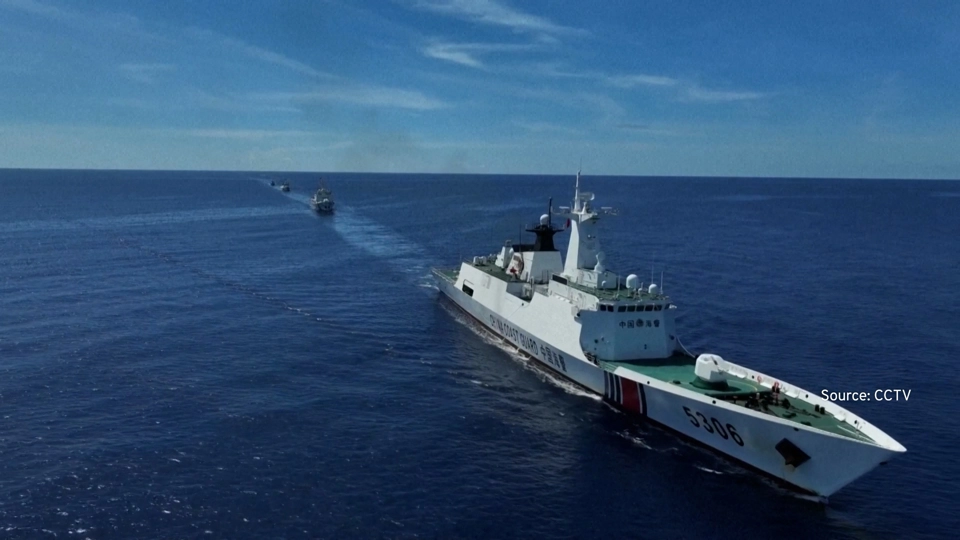 00:31
00:31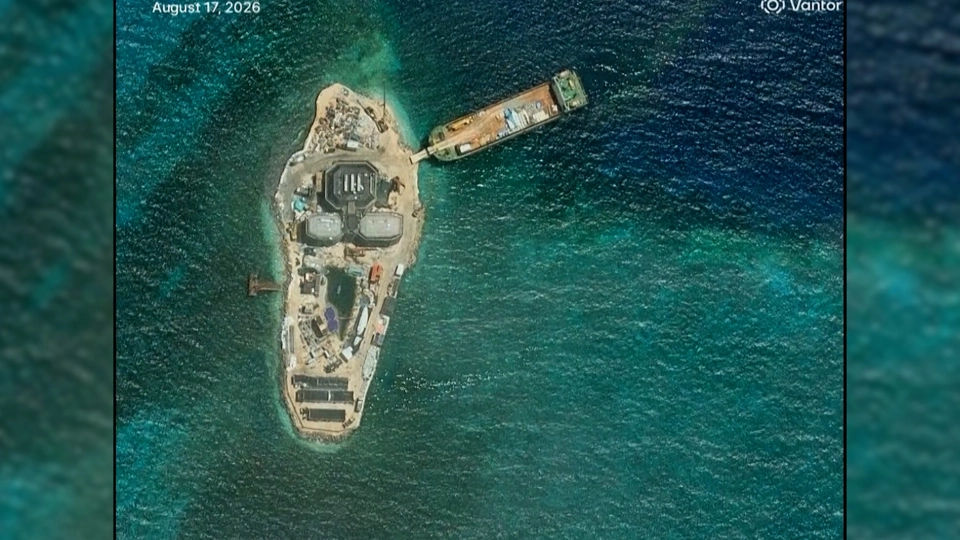 02:54
02:54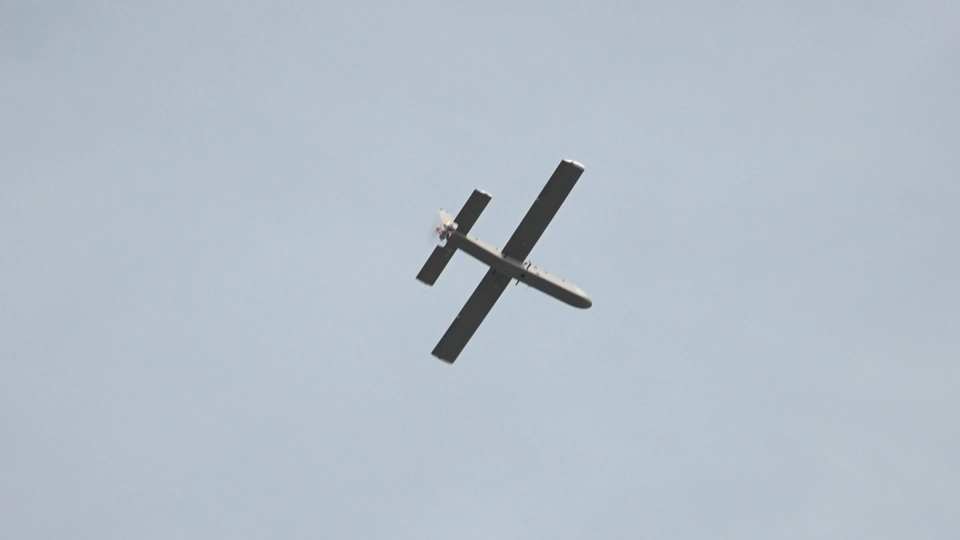 02:33
02:33 04:03
04:03 03:00
03:00 00:26
00:26 00:35
00:35 03:03
03:03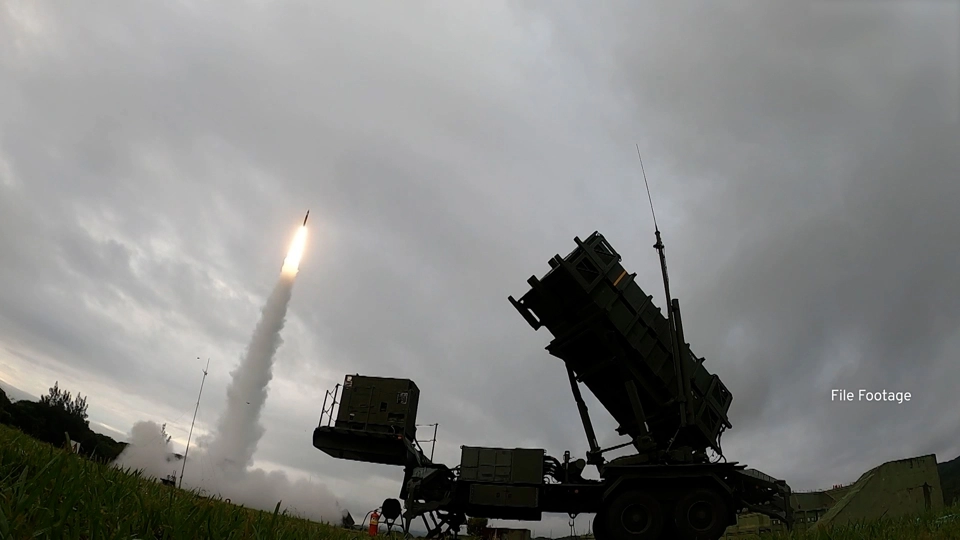 02:56
02:56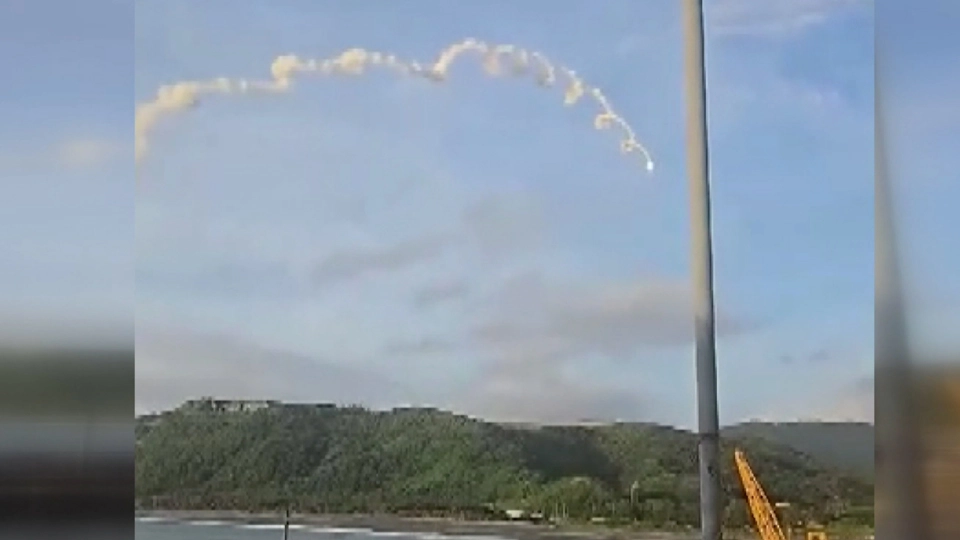 00:27
00:27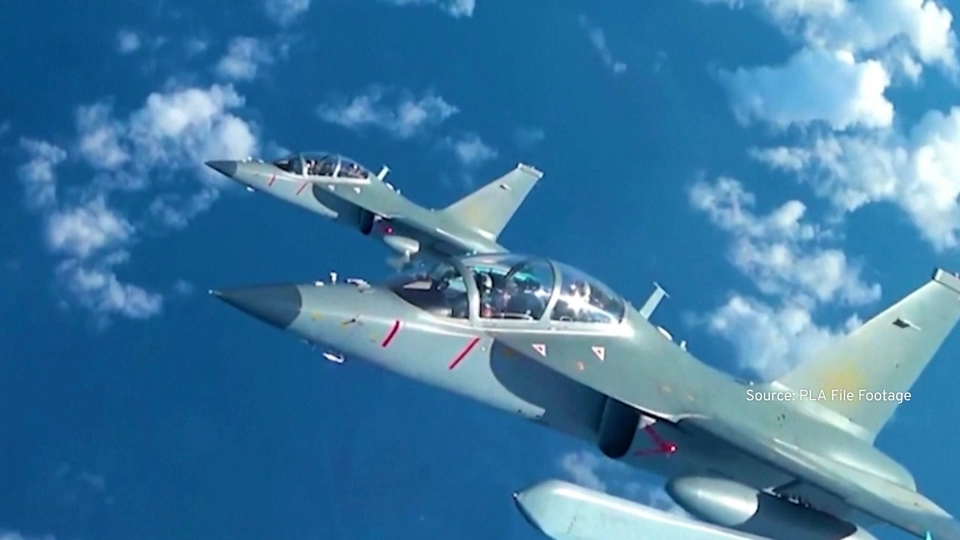 00:26
00:26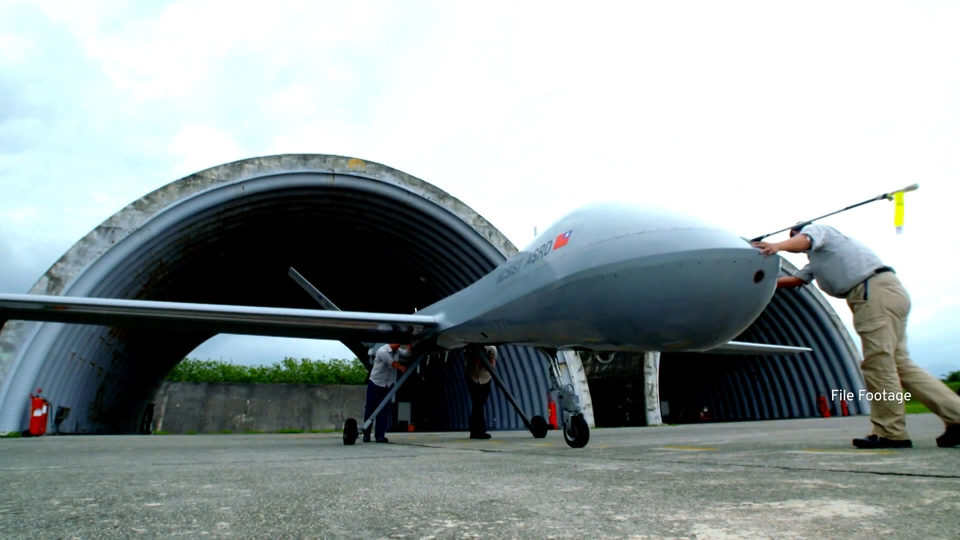 00:33
00:33 03:21
03:21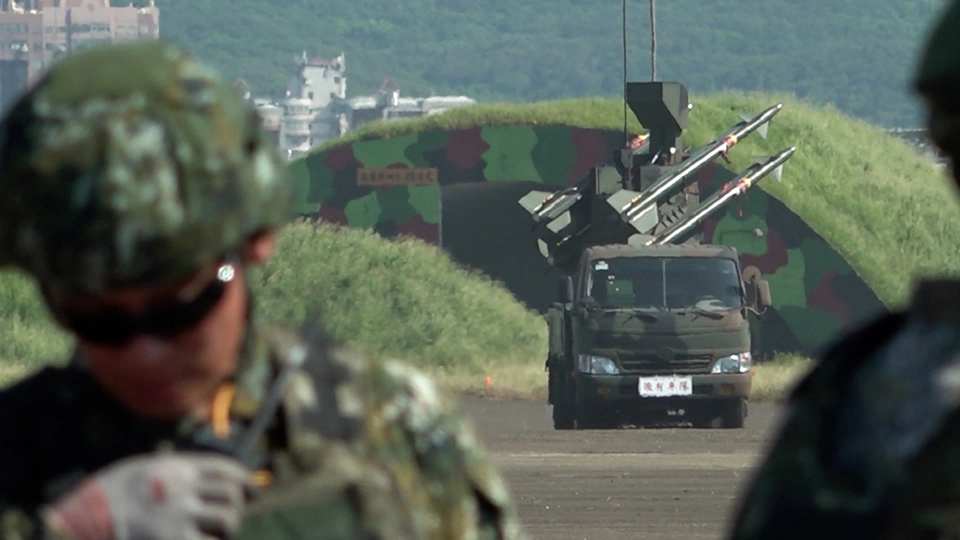 03:19
03:19 03:23
03:23