US-Taiwan Military Collaboration: Progress and Challenges
So you've been a long time Friend of Taiwan. Can you tell a little bit about what you've seen of the US Taiwan collaborations, specifically in military?
Randy Schriver (Fmr. US Assistant Defense Secretary):
Well, it's only grown closer and closer the last few years, and I'm really delighted that the relationship has moved beyond just security assistance, just arms sales. And now they're, elements that involve training, that involve, planning. And I think there's room for, for even greater, innovation in the relationship. But I'm really happy to see how much progress has been made since I started working on this defense relationship in 1994.
Are there any challenges that's happening that you see right now?
Randy Schriver (Fmr. US Assistant Defense Secretary):
Yes. We still have some constraints as a non-diplomatic partner. So, you know, I'd like to see more training and exercising, but that'll have to come online, I think, very carefully and incrementally. We have, security assistance, arms sales, but there's backlogs. We have, the potential for defense industrial cooperation, including in the emerging tech sector. But that's slow to come online because that requires industry, that requires decisions by Taiwan's government, our government. So there's plenty more work to do.
How about the meeting with the defense minister, Wellington Koo? And then as Taiwan is looking to increase the defense budget, maybe in the next or by 2030. What do you think that we're on the way to achieve that goal? Or what did you hear?
Randy Schriver (Fmr. US Assistant Defense Secretary):
Well, from the administration's point of view here, they're certainly committed to it. They're committed to a special budget. They're committed to annual increases in the regular budget. They've got to get these things through the Lai, and they've got to maintain political support for that, because defense spending is it's an opportunity cost for spending elsewhere. And that's not always easy for the governments here to explain to the population. But I think for the most part, we understand there to be public support. And I think the real challenge is not just to spend more, but to spend wisely.
Can you elaborate more on that?
Randy Schriver (Fmr. US Assistant Defense Secretary):
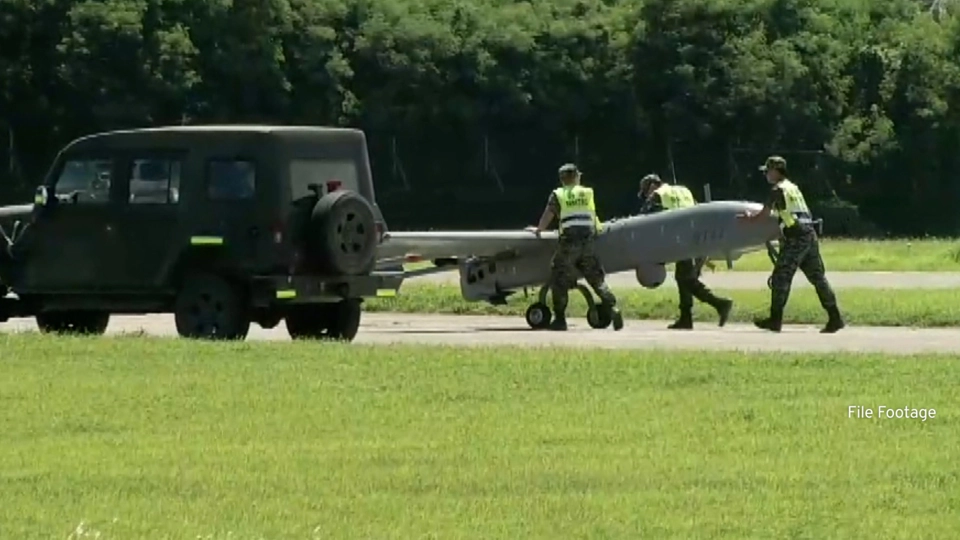
Sure. We were, we were grateful to hear from Wellington Koo that there's innovation they're trying to bring on board in relatively short manner. Unmanned capabilities match with AI autonomous capabilities. Taiwan in a in a challenge from China, whether that be gray zone, whether that be the worst day an attack. Taiwan's always going to be outmatched. There's no way to close that gap. But unmanned systems, autonomous capabilities, all that helps to close that gap a little bit.
But the defense ministry has been talking or even President Lai himself has been talking about modernization, military modernization. Do you think we're achieving that goal right now?
Randy Schriver (Fmr. US Assistant Defense Secretary):
I think Taiwan's military is modernizing. You know, these are kind of subjective terms. And, some may have a view that it's happening fast enough, some may have a view that it's happening, but not quickly enough. So I think the real challenge is to to keep the gas on the pedal, so to speak, and to keep working at it, because in some of these areas, it's not just buying a thing, a drone, it's how do you work that into concepts of operation and doctrine and your warfighting? And how do you create linkages between a new platform and other sensors so that you have a common operating picture? Buying the thing is really in many ways just the easy part. So there's work to be done.
 04:02
04:02 00:31
00:31 02:54
02:54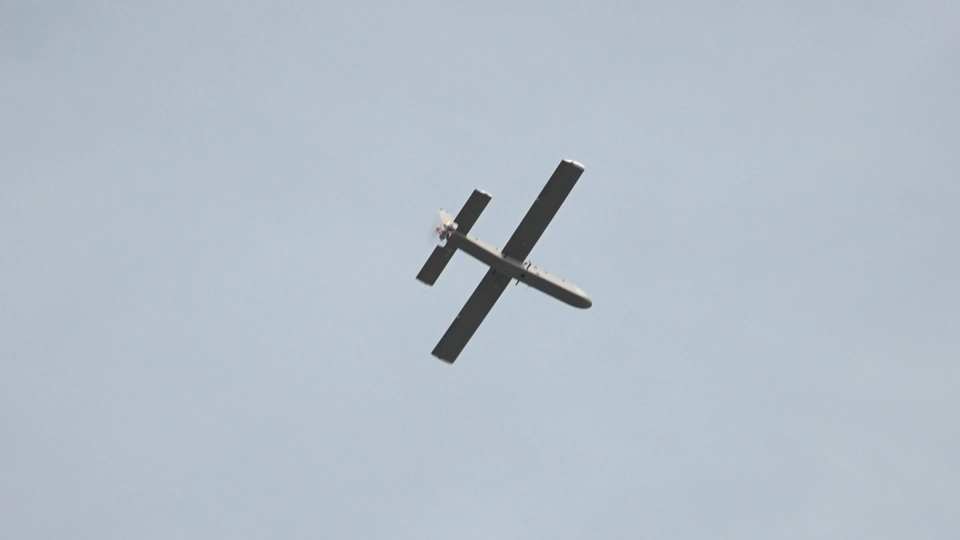 02:33
02:33 04:03
04:03 03:00
03:00 00:26
00:26 00:35
00:35 03:03
03:03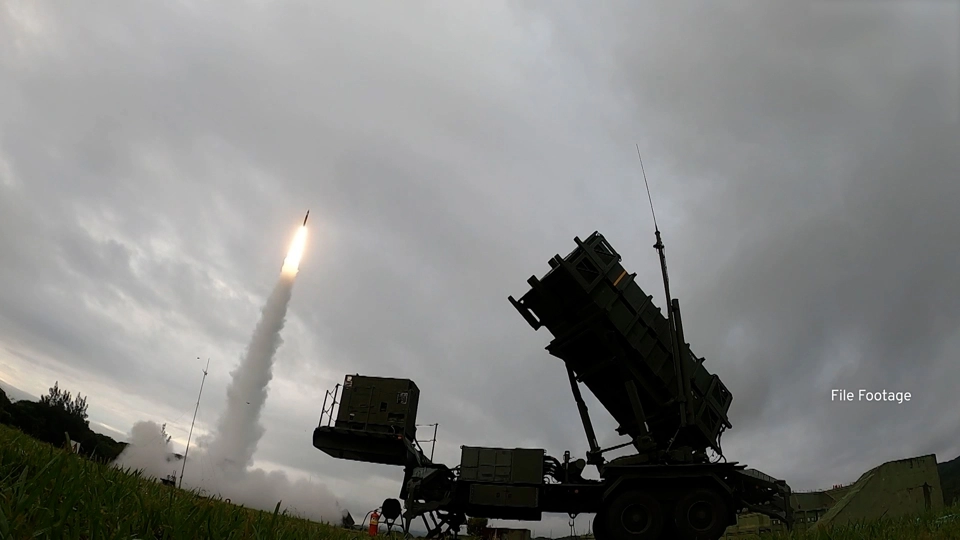 02:56
02:56 00:27
00:27 00:26
00:26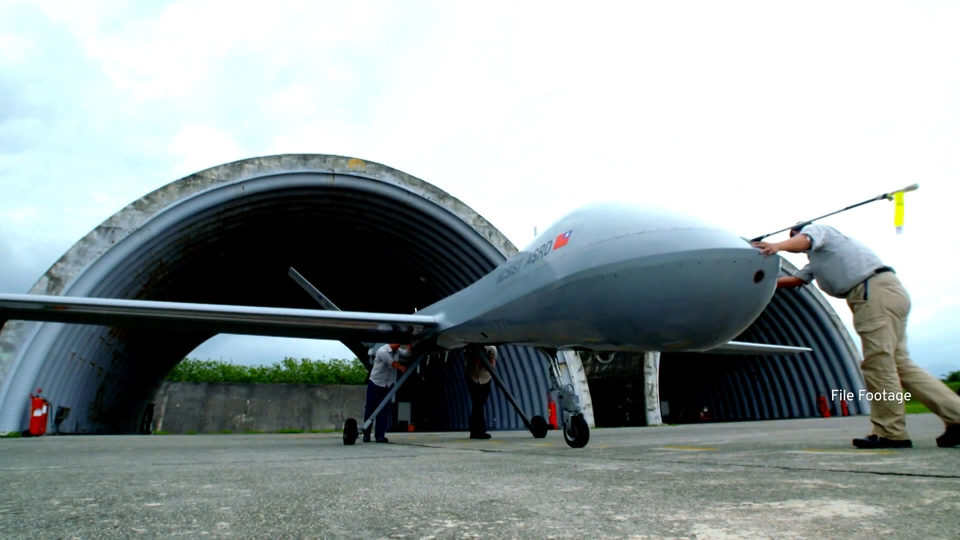 00:33
00:33 03:21
03:21 03:19
03:19 03:23
03:23