Taiwan Arms Development
---
Domestic Arms Manufacturing on Display in Taipei
REPORTER:
Low cost, mass produced and most importantly, developed with Taiwanese chips.
This mock up of a future anti-ship cruise missile was on display at this year’s Taipei Aerospace and Defense Industry Exhibition.
Its developers, a collaboration between the US and Taiwan, say it will be vehicle-mounted for quick deployment and capable of overwhelming and then sinking enemy ships.
It’s part of Taiwan’s plan to develop indigenous weapons leveraging the country’s chip industry.
By building on Taiwan’s strengths in semiconductor manufacturing, along with our industrial manufacturing capabilities, [we can] develop a modular design then replicate it with production lines.
This would drive overall costs down.
REPORTER:
China claims Taiwan as its territory and has not ruled out using force to take control of the country.
That’s why Taiwan plans to build this missile without Chinese components or supply chains, instead turning to local manufacturers and democratic allies.
We should be able to find more options, like alternative components or even alternatives that’s better than the original specifications.
So we choose from more solutions to ensure our supply chain requirements are met.
REPORTER:
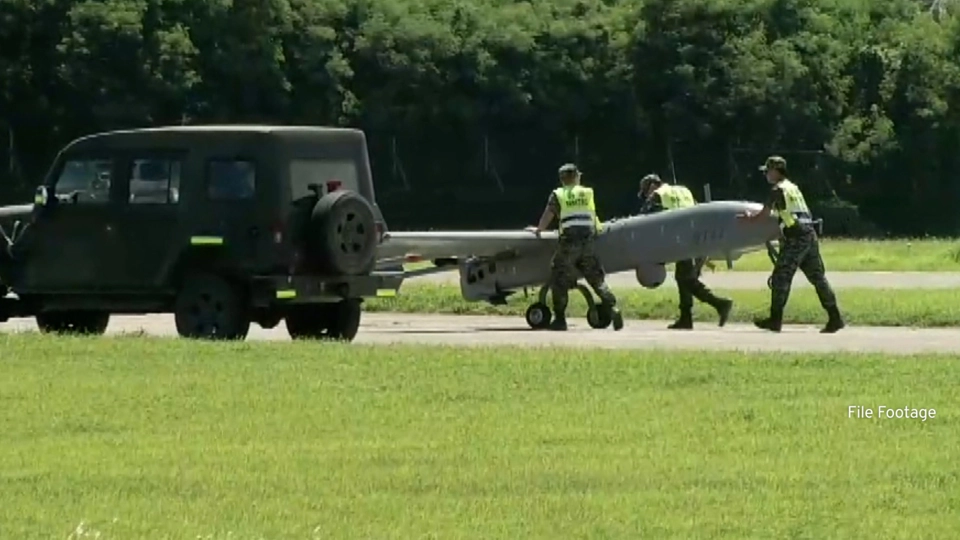
Taiwan’s focus on self-reliance is being applied to other weapons as well, in particular its fleet of unmanned aerial and naval systems.
REPORTER:
Another example of Taiwan’s homegrown systems is this nine-meter drone boat. With its powerful engine, low profile, and ability to deploy smaller attack drones, it is fast, stealthy, and lethal.
REPORTER:
Aside from the engine, which is imported, 90% of this craft is made locally. But sticking to the non-China supply chain comes with its own challenges.
For example, with this vessel, when it comes to the communications systems, some of the components have traditionally been sourced from DJI [a Chinese company], which is a major global supplier for drones and unmanned vessels.
We want to avoid relying on those, so we need to find another supplier to develop them.
But when production volumes are low, the costs inevitably rise.
REPORTER:
Although self reliance will come with a steep price tag for Taiwan, it could also create opportunities. Many of Taiwan’s international partners also want to break China’s monopoly over specialized components.
Cathy Fang (POLICY ANALYST, DSET):
We are more secure, reliable and we won't weaponize our supply chain.
So make Taiwan's component irreplaceable is what we can seize the opportunity for non-res supply chain.
REPORTER:
And while potential business is a value added, Taiwan’s defense plans are focused on national security. And with billions of US dollars hardware already on display now in Taipei, Taiwan is clear that it's a price the country is willing to pay.
Alex Chen and Alan Lu for TaiwanPlus.
 04:02
04:02 00:31
00:31 02:54
02:54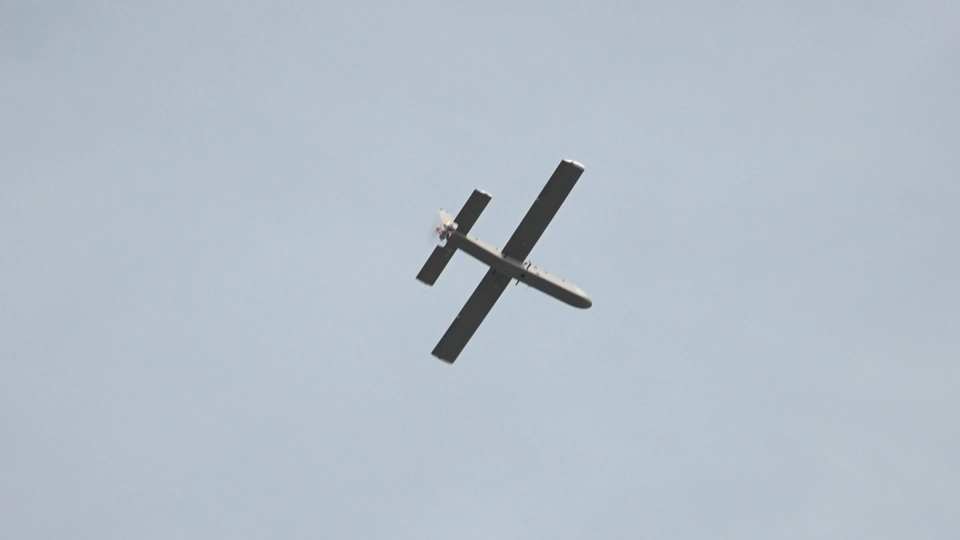 02:33
02:33 04:03
04:03 03:00
03:00 00:26
00:26 00:35
00:35 03:03
03:03 02:56
02:56 00:27
00:27 00:26
00:26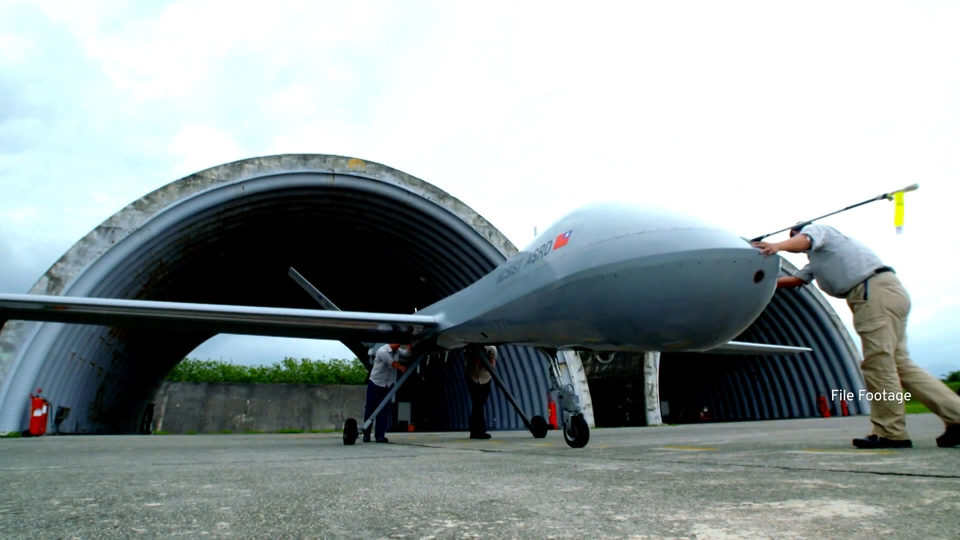 00:33
00:33 03:21
03:21 03:19
03:19 03:23
03:23