Taiwan’s schools are facing soaring numbers of cases where the line between normal discipline and harmful actions is contested by parents. And some teachers say these parents are using the complaint process unfairly.
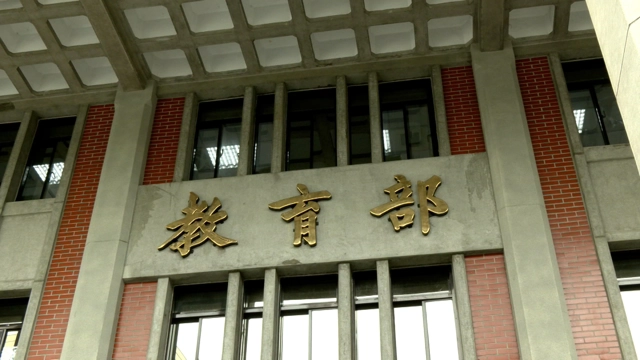
To protect teachers upholding classroom safety and order, the education ministry has rolled out an amendment to more clearly define that line...
The changes allow cases to close without going through a resolution council... IF teachers were trying to constrain a violent student or exercise self-defense.
CHANG LIAO WAN-CHIEN, DEPUTY EDUCATION MINISTER:
"When schools receive standard complaints if they’re about teachers’ actions what are schools to do? They could hold teacher-parent meetings, administrative meetings or try other more reasonable and effective ways to resolve conflicts."
Every year, there are hundreds of cases nationwide where teachers face parents’ accusations that infringe on their ability to mete out fair discipline.
And teachers often have to deal with parents’ complaints off the clock...
Many say the resolution process negatively affects their ability to do their job.
Some teachers’ rights groups are optimistic about the legal changes.
WANG HAN-YANG, ACTION ALLIANCE ON BASIC EDUCATION:
"The education ministry has indeed refined rules with the latest amendment. It separates reasonable discipline from misconduct so there’s no need to discuss contract termination or non-renewal when [students’ behavior] is especially severe. This will help reduce [parents’] complaints."
But others argue that completely ending the resolution council system is the way to go.
YEH CHING-CHI, NAT’L FEDERATION OF TEACHERS UNIONS:
"If cases don’t meet the non-resolution standards these false accusations will still occur."
The new rules are set to take effect on Friday. And the education ministry has more plans for reining in parents’ behavior toward teachers.
Officials hope these changes will give teachers more confidence in the profession they’re trained for... and ultimately improve students’ learning.
 01:54
01:54 01:29
01:29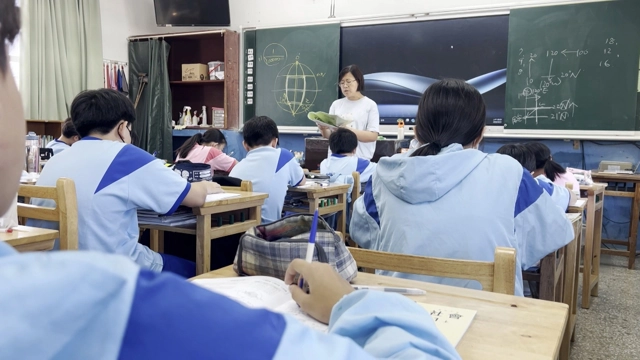 02:42
02:42 02:05
02:05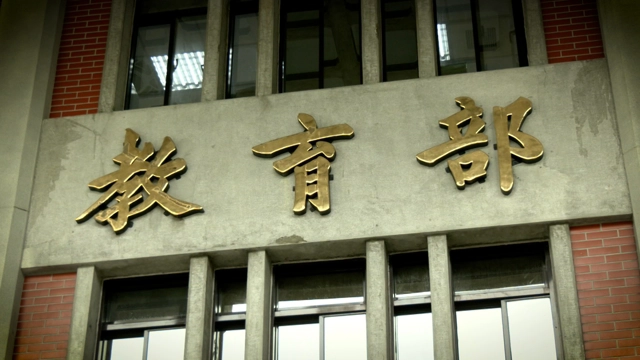 04:52
04:52 01:24
01:24 00:38
00:38 05:32
05:32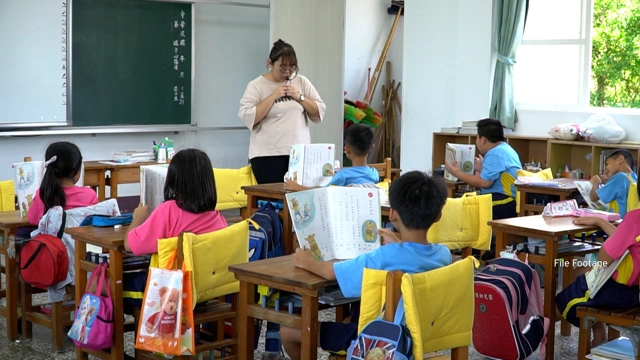 00:42
00:42 01:07
01:07 00:29
00:29 00:56
00:56 00:39
00:39 02:53
02:53 02:35
02:35 02:32
02:32