Teacher Stress in Taiwan's Schools
REPORTER:
Here in this park sits a high school teacher who’s seen their dream career turned into an administrative nightmare. At their school, students have the job of sweeping the schoolyard clean. And one incident with a student who didn’t finish the job four years ago has slowly escalated from school officials all the way to the education ministry in Taipei.
BITE:
I heard them swear at me.
So when I finished sweeping [for them], I said to them
“Now you've seen the garbage I swept up.”
“Do I need to dump the garbage onto your desk?”
“Do you have to see the garbage [in front of you]
before you’re willing to say there’s garbage to sweep up?”
That was that sentence [that started the trouble].
They ran off to the bathroom crying.
REPORTER:
An in-school meeting with the parents seemed at first to have ended the matter. But much later, the parents said the teacher had bullied their child to the point of psychological distress. It became a formal complaint. Since then, it’s been a series of investigations, appeals and committees going all the way to the top of the chain. Seeing other teachers in similar situations spending large sums on legal assistance without getting far, she’s decided to fight back without a lawyer.
REPORTER:
It’s an extreme example of something surveys find happening in Taiwan’s classrooms all the time. In March, nearly 96% of teachers surveyed by Parenting Magazine said they were afraid of getting flagged or reported due to misunderstandings. 79% said that when it comes to discipline, they err on the side of caution to avoid upsetting parents—trying to constrain students rather than guide them.
REPORTER:
It’s the type of finding that doesn’t surprise the national teacher’s union.
Yeh Ching-chi (NAT’L FEDERATION OF TEACHERS’ UNIONS):
Teachers these days feel they can’t protect themselves.
So all they can do is to practice “defensive teaching.”
If they can have less interaction with them, they do.
If they can say less [to the students], they do.
REPORTER:
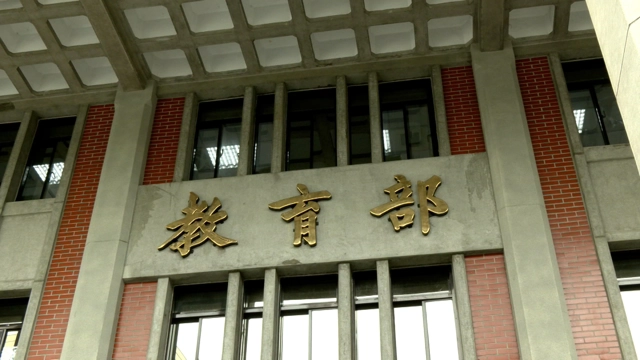
The education ministry declined to offer a comment but it is taking steps to ease pressure on teachers while making sure legitimate complaints still get heard. Since January, anonymous complaints are no longer accepted and not every complaint automatically results in an investigation. Ministry data shows that in the first five months under the new rules, complaints against teachers fell around 47% compared with the same period of 2025.
REPORTER:
But parents can also threaten ruinous lawsuits. Taipei City councilor Chung Pei-chun has been advocating for teachers and students at one school where one student racked up 109 misbehavior reports—breaking school property, attacking classmates and threatening teachers as well. A litigious parent meant discipline sometimes broke down completely.
Chung Pei-chun (TAIPEI CITY COUNCILOR):
[The unruly student] even picked up a broom
and chased the teachers down the hallway with it.
You can’t even imagine it.
Usually if that happened
you’d see [teachers] snatch the broom away.
But no, in this case three or four teachers
surrounded [the student]
but didn’t dare snatch the broom
and also had to help stop [the student]
from attacking [the other] teachers.
It got ridiculous, like something in a circus.
REPORTER:
And that’s not the most serious case Chung has dealt with. Another unruly student with a string of behavioral issues threatened a classmate with a utility knife. Chung says help for teachers is here—at least in Taipei.
REPORTER:
Teachers who sense danger can call the police, no questions asked—there are no penalties if police judge it a false alarm. And now, if a student is reported two or more times for misbehavior, they will be flagged and tracked, end of story. There’s funding for legal advice for teachers. Even some parents acknowledge an entrenched problem in schools that’s hard to root out: the high degree of pressure on teachers from students and above all, parents.
BITE:
Some parents are crazy about
wanting teachers to be babysitters.
They want them to take care of their kids 24/7
[noting] changes in mood
and making sure they take their medicine.
They’re constantly phoning teachers
to ask about whatever’s worrying them.
REPORTER:
And there’s skepticism among parents about whether much can be done to change things.
BITE:
No, no, there’s nothing you can do.
If I could think of a way
I’d be the head of the education bureau myself.
I can’t think of a solution.
REPORTER:
And the teacher we met in a park earlier? The passion to teach is still there but after four years with no sign of an end to the paperwork, exhaustion has set in.
BITE:
I feel like, “How strange. How am I so useless?”
“How could I make my aging parents worry like this?”
Crying about it won’t help.
No one will believe you truly have
a love and passion for education
and you just want to teach well.
REPORTER:
For teachers like this, the question is whether updated policies in a new school year will bring any relief.
 01:54
01:54 01:29
01:29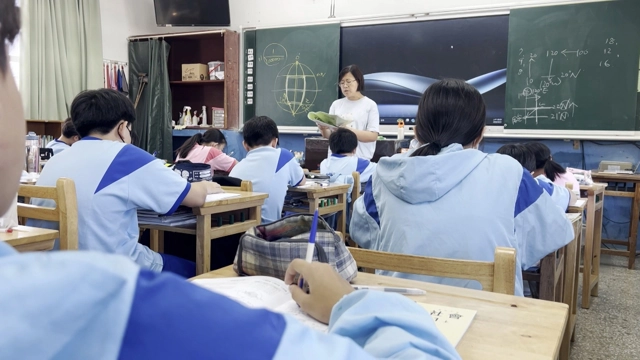 02:42
02:42 02:05
02:05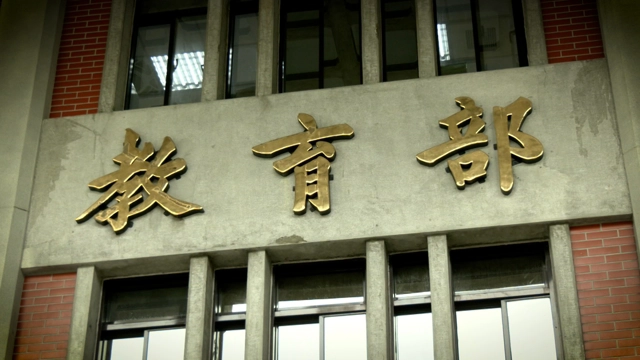 04:52
04:52 01:24
01:24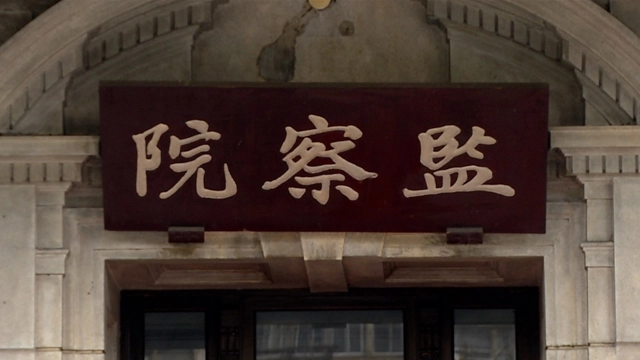 00:38
00:38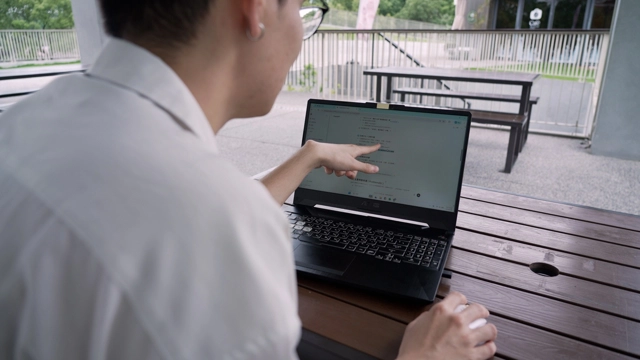 05:32
05:32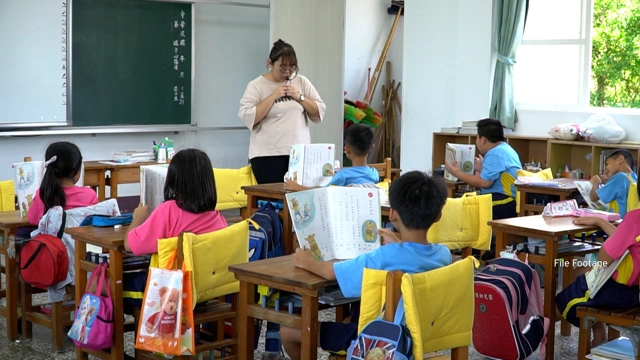 00:42
00:42 01:07
01:07 00:29
00:29 00:56
00:56 00:39
00:39 02:53
02:53 02:35
02:35 02:32
02:32