This AI-generated summary is based on reporting by TaiwanPlus and verified by newsroom fact checkers. Learn more about our policy here.
Vietnam has become a pivotal player in global manufacturing as companies worldwide, including many from Taiwan, shift production away from China. Ongoing trade tensions between Washington and Beijing have fueled this movement, making Vietnam an attractive alternative for businesses seeking stability and access to new markets. While Taiwan has long maintained business ties with Vietnam, the Southeast Asian country’s recent push for high-tech manufacturing presents both challenges and opportunities for Taiwanese companies operating there.
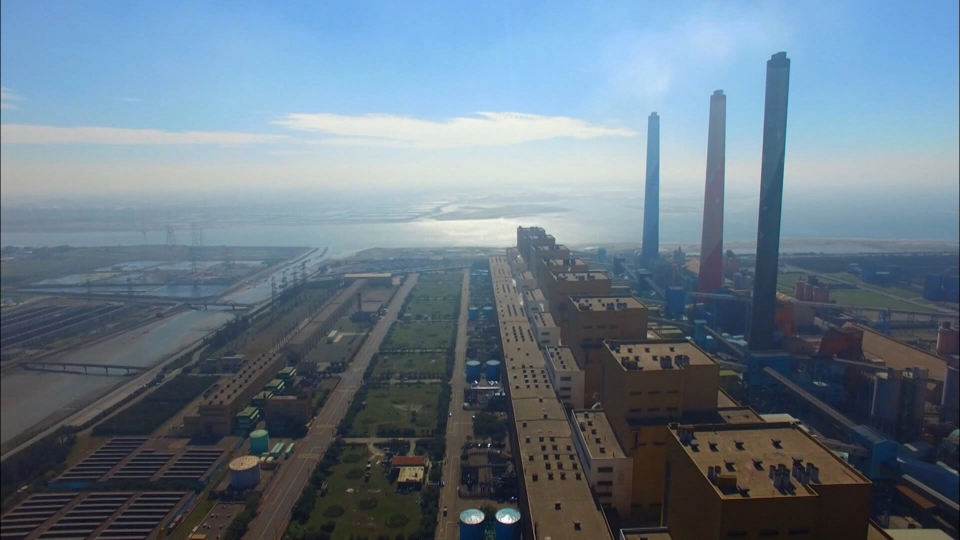
Once among the world’s poorest nations, Vietnam has rapidly emerged as one of Southeast Asia’s most dynamic economies. With a strategic location, a large workforce and infrastructure that supports exports, the country has positioned itself as a manufacturing powerhouse. This sector now accounts for approximately a quarter of its GDP. The shift of global production away from China due to regulatory crackdowns on foreign firms has further accelerated Vietnam's growth. As a result, Taiwan has become one of Vietnam's largest investors, contributing significantly to this economic boom.
Waves of Taiwanese Investment
Taiwanese businessman Chen Yen-cheng, who has been manufacturing ceramic pigments in Vietnam for 20 years, is part of a wave of Taiwanese entrepreneurs who set up operations in the early 2000s. "Vietnam is a relatively young and developing country," Chen notes. At the height of demand, his factory in southern Vietnam produces up to 400 tons of pigments per month for the tile industry, serving export markets in Southeast Asia and further.
Taiwanese investment in Vietnam has quadrupled in recent years, especially in Ho Chi Minh City, which has transformed from a landscape of swamps and forests into a bustling metropolis. Both Ho Chi Minh City and Hanoi are now among the world’s fastest-growing cities. Vietnam is projected to lead Southeast Asia in economic growth over the next decade, outpacing neighboring China.
Vietnam’s Ambition for High-Tech Manufacturing
Vietnam is not just content with being a manufacturing hub; it aims to climb the value chain by attracting high-tech industries. The government’s focus on upgrading its manufacturing capabilities has created a favorable environment for Taiwanese firms looking to expand their technological footprint.
Taiwanese store owner Hsu Yu-lin, a long-time investor in Vietnam, sees this shift as a critical opportunity. He notes that Southeast Asian countries are increasingly viewing Taiwan as a desirable partner, particularly due to its expertise in semiconductor manufacturing. "They want to know if it’s possible to set up semiconductor plants in Vietnam and how they can partner with Taiwan on AI," says Hsu.
Staying Competitive in a Rapidly Changing Market
To maintain their competitive edge, Taiwanese manufacturers in Vietnam are increasingly adopting digital solutions. Shih Po Chang, who runs a factory that supplies screws and bolts to major motorcycle manufacturers like Honda and Yamaha, has integrated technology to boost efficiency. "A vision is quite important," says Shih. "You need to know where you want to take your company and find the right market and product for transformation."
Vietnam’s swift embrace of digital transformation is pushing industry leaders to adapt quickly. The nation’s ambition to lead the region in advanced technology is setting a rapid pace, forcing businesses, both local and foreign, to innovate or risk falling behind.
 02:02
02:02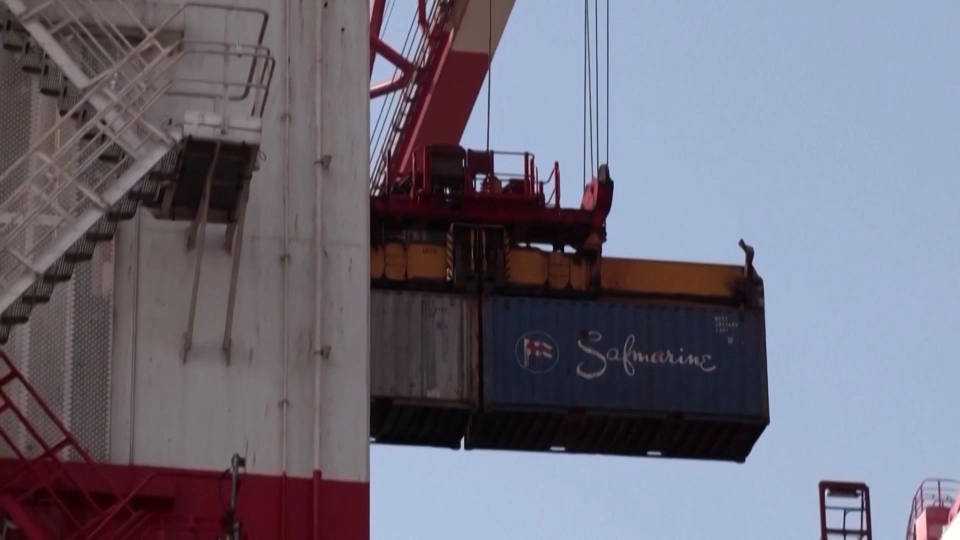 00:36
00:36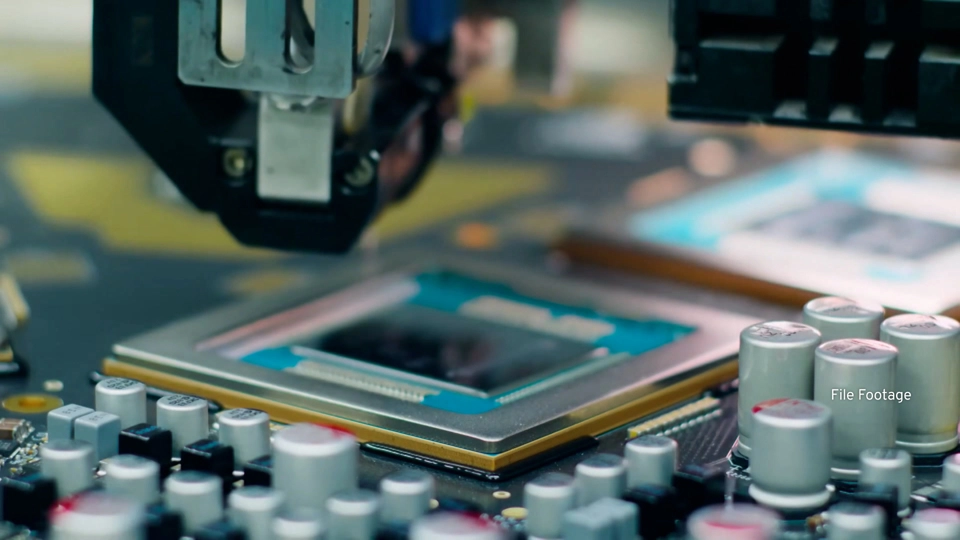 00:57
00:57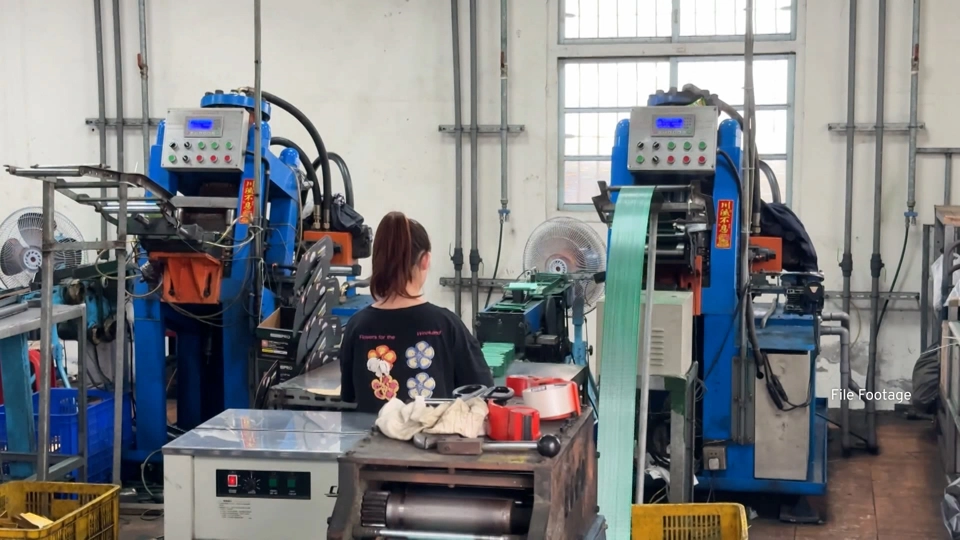 02:03
02:03 00:26
00:26 00:35
00:35 00:27
00:27 02:16
02:16 02:16
02:16 02:53
02:53 00:33
00:33 01:43
01:43 00:31
00:31 00:50
00:50 00:32
00:32 04:46
04:46