Taiwanese literature is enjoying a moment in the spotlight after the English translation of Yang Shuang-zi's “Taiwan Travelogue” won the International Booker Prize earlier this year.
Yang’s novel, first published in 2020, has now been translated into Dutch. It is one of just 14 Taiwanese works translated in the Netherlands over the past 50 years. Six of them were published this year alone.
Rather than working from the award-winning English translation by Lin King, the Dutch translators chose to translate directly from the original Chinese text. They say publishers were initially hesitant to take on the project.
SILVIA MARIJNISSEN, TRANSLATOR:
"This has nothing to do with the quality, because sometimes people would say we love the book but they are afraid that it won't sell because it's quite hard to sell books translated from Chinese."
The translators said the novel, which follows a Japanese writer and her Taiwanese interpreter on a culinary journey across Taiwan, required a more hands-on approach to convey the local food culture that’s central to the story.
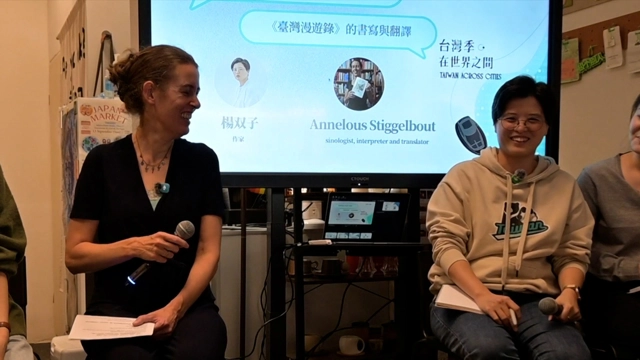
ANNELOUS STIGGELBOUT, TRANSLATOR:
"Taiwan all these foodstuffs. I think all of them are never eaten before, so I didn't know what it was. I think that goes for both of us. So we have to look up. So what is this? How is it made? And then have to find the correct a good Dutch translation or explanation or transliteration."
And as with Lin King’s contribution to the English translation, the Dutch translators’ extensive work over seven months earned them a place on the book's cover, a rare distinction for translators.
SILVIA MARIJNISSEN, TRANSLATOR:
"In order to stress this side of the book, we decided that we could add more footnotes as well because it also made it possible for us to show the diversity of all the influences in Taiwan, which are very important to show the identity of Taiwan."
Author Yang Shuang-zi said it was a highly involved process.
YANG SHUANG-ZI, AUTHOR, ‘TAIWAN TRAVELOGUE’:
"The culture gap between us is quite wide so translators tend to have more questions about things I take for granted in Taiwan or that readers and translators in Japan and South Korea take for granted. But here questions often arise. In the Netherlands, for example one interesting question I got was "What is [roasted wheat flour]?""
Beyond food and language, the novel has also sparked conversations about Taiwan's history.
Set in 1938 during Taiwan's Japanese colonial era, the book prompted questions from Dutch media about why Taiwan recently held an exhibition examining its colonial past.
YANG SHUANG-ZI, AUTHOR, ‘TAIWAN TRAVELOGUE’:
"We're not romanticizing the realities of colonial rule. We're seeking to better understand Taiwan itself and the chapters of history Taiwan has gone through. In other words, we see Taiwan as a culture in its own right and reflect on those experiences. These are things we need to understand today. Because the history we learned in the past may not have fully reflected what Taiwan actually experienced."
There is historical resonance for the Netherlands here too – Dutch settlers also colonized Taiwan in the 17th century. But while Taiwan is often omitted from Dutch history curricula covering centuries of the country’s colonial expansion, “Taiwan Travelogue” offers Dutch readers a glimpse of what life was like in Taiwan during another era.
Kris Ma, Ted Chen for TaiwanPlus
 03:31
03:31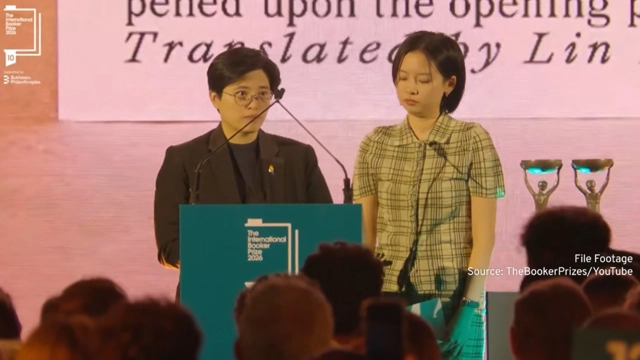 00:38
00:38 03:07
03:07 01:25
01:25 00:27
00:27 00:55
00:55 02:33
02:33 00:27
00:27 00:29
00:29 04:27
04:27 02:03
02:03 01:42
01:42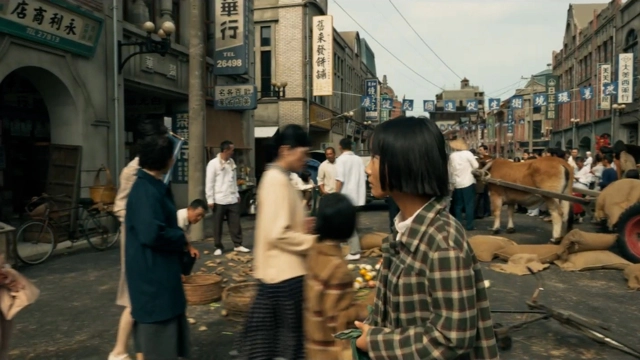 00:24
00:24 03:28
03:28 02:16
02:16 00:29
00:29